

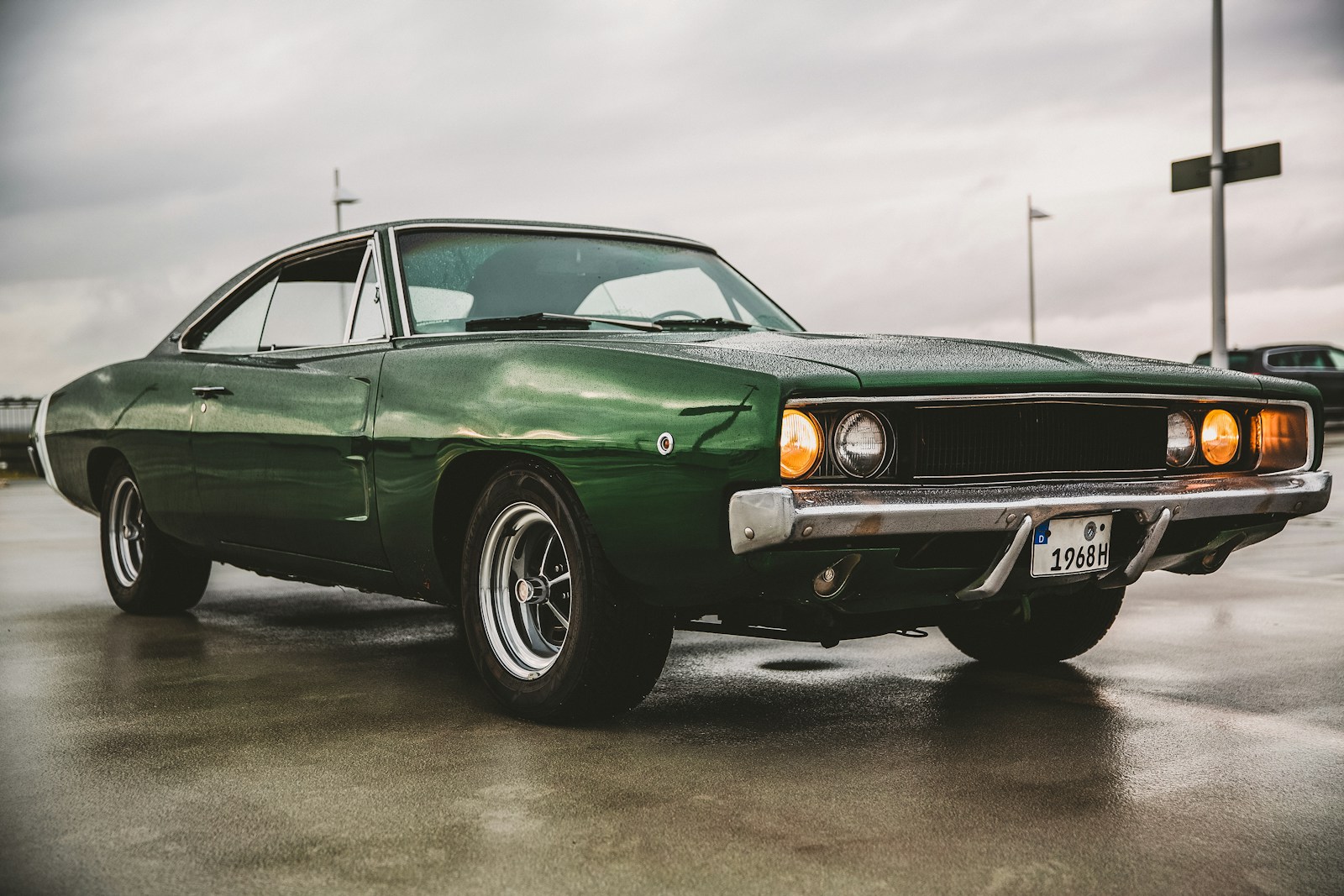
He thought he was doing a favor for a family friend and finally snagging the kind of classic car you don’t see on the road anymore. The friend’s dad had “one of those old beauties” sitting under a cover in a garage, and everyone had been talking about selling it for years. When the offer finally came—cash, quick, no dealership nonsense—he jumped.
The car was exactly what he’d pictured: heavy doors, chrome that still caught the light, that old interior smell that’s half vinyl and half history. The family friend kept calling it “Dad’s car,” like it was a personality trait, and she was oddly relieved to see it go to someone she knew. He handed over the money, they took a couple pictures like it was a big moment, and she produced what she called “the title paperwork” in a manila folder with insurance cards and expired registration slips.
It wasn’t until he went to the DMV—smiling like an idiot, already planning his first weekend drive—that the clerk frowned at the documents the way clerks do when they’re about to ruin your day. She didn’t even get to the part where she asks if you want special plates. She just looked up and said, “So… this title is still in someone else’s name. And according to our system, that person is deceased.”
The “easy sale” that wasn’t
At first, he assumed it was a simple mistake, like the wrong middle initial or an old address. The family friend had made it sound straightforward: her dad was downsizing, didn’t want the hassle, and trusted him more than strangers. But the DMV clerk turned the title around, tapped the printed name, and asked if he had a death certificate, a probate letter, or power of attorney.
He didn’t have any of that because no one had mentioned any of it. He had a bill of sale scribbled out on notebook paper, signed by the friend, and a title that looked legit—just… not hers. The name on the title belonged to the friend’s uncle, a relative who’d apparently owned the car back when it was purchased and never transferred it, because “it stayed in the family.”
When he called the family friend from the DMV parking lot, she sounded confused in a practiced way, like she’d already decided the problem was bureaucracy. She said her dad had the car for decades, it was in their garage, everyone knew it was theirs, and the state could obviously see it wasn’t stolen. The clerk had already explained, gently but firmly, that “everyone knowing” isn’t a legal document.
Digging into the glovebox history
He went back to their house that evening to compare paperwork, hoping there was some missing form in the folder. The garage had that post-sale emptiness, just an oil stain where the car had been, and the friend’s dad was suddenly less chatty than he’d been during the handshake part of the deal. He kept saying, “That’s how we bought it,” as if the phrasing alone could rewind thirty years of title law.
They started pulling out old documents like they were doing genealogy. An insurance card from 2009 in the dad’s name. A repair receipt from a local shop that had gone out of business. A registration renewal from years ago that looked like it had been paid under some “non-title” arrangement, which only made the buyer’s stomach sink harder.
Then the uncomfortable detail emerged: the uncle—the name on the title—had been dead for a while. Not recently, not “oh we haven’t gotten around to it,” but long enough that nobody could casually remember the year without arguing. The friend said it was “before the pandemic,” the dad corrected her, then trailed off like he’d realized saying the actual number out loud would make it worse.
The buyer asked the question everyone was thinking: had probate ever been done for the uncle? The dad’s face did that thing where a person is trying to keep control of a conversation that’s slipping away. He said the uncle “didn’t have much,” it was all family property anyway, and it “never seemed necessary.”
The first legal wall: you can’t buy what they can’t sell
The next DMV visit was the one that changed the tone from annoying to serious. The clerk told him the state couldn’t issue a new title based on a bill of sale from someone who wasn’t the legal owner. If the titled owner was deceased, the state needed documentation showing who had the right to transfer it: executor paperwork, a small-estate affidavit, or a probate court order.
He went home and started googling, because that’s what people do right before they realize they should’ve googled earlier. He learned quickly that probate isn’t just a form you download; it’s a process that depends on wills, heirs, deadlines, and whether anyone feels like cooperating. The longer someone waits, the uglier it can get, because memories fade and family agreements turn into family myths.
He called the family friend again, and this time she got defensive. She said she didn’t understand why he was acting like they “scammed” him when they’d given him the car and he had the keys. He tried to keep it calm: he wasn’t accusing anyone of fraud, he just couldn’t legally register it, couldn’t insure it properly, and couldn’t drive it without risking getting pulled over in a car that effectively belonged to a dead man on paper.
That’s when her dad jumped on the phone and offered the kind of solution that sounds reasonable until you picture it happening: “Just drive it on the old plate for a bit, nobody will care.” The buyer paused, stared at his phone, and realized they were living in two different realities. He was trying to own a vehicle; they were trying to keep a story going.
Probate, but make it a family feud
Once they started asking around about the uncle’s estate, the situation stopped being a paperwork issue and started being a people issue. The uncle had kids—adult kids—who didn’t live nearby and weren’t particularly close to the friend’s dad. Someone called one of them “hard to deal with” before anyone had even spoken to them, which is usually a clue.
When they did reach out, it didn’t go the way the dad expected. The heirs didn’t say, “Oh sure, whatever, sign it over.” They asked basic questions: why wasn’t this handled when the uncle died, what else was never handled, and how did a car get sold without anyone telling them? The buyer wasn’t even the main target of their frustration; he was just the person who made the mess visible.
The friend’s dad insisted the uncle had “given him” the car informally years ago, which is the kind of sentence that only works in living rooms. The heirs asked if that was in writing. It wasn’t. They asked if there was a will. Maybe. Nobody could find it. And the more the dad talked, the more it sounded like there had been an understanding that everyone had honored—until money changed hands and an official title transfer became unavoidable.
Then came the second surprise: there were other assets tangled in the uncle’s name. A small piece of property, maybe an old bank account, a storage unit. Probate wasn’t just about a classic car anymore, it was about reopening an estate that had been left to rot, with people who now lived in different states and had different motives. The buyer could feel the air getting colder every time his name came up.
The buyer’s problem becomes everyone’s problem
He tried to do the practical thing: offer to unwind the sale. Give them the car back, get his money back, call it a lesson. The family friend didn’t want that—she’d already spent part of the money on bills—and her dad took the suggestion as an insult, like returning the car meant the buyer didn’t trust them.
So the buyer was stuck in the worst in-between. He had a car he couldn’t title, sitting in his driveway like a very expensive lawn ornament. He couldn’t even take it to a shop without worrying someone would ask for proof of ownership, and he definitely couldn’t sell it to someone else without passing the same headache along.
The family’s internal fight started bleeding into every interaction. One week they’d say they were “working on probate,” the next week they’d go quiet for days. When the buyer would ask for an update, the friend would snap that he was stressing her out, like his money and his legal risk were background noise compared to her family drama.
Eventually, the heirs wanted leverage, and the car was leverage. They hinted that if the car was still titled in their dad’s name, then legally it was part of the estate, and they could potentially claim it—or at least demand a cut. The friend’s dad heard that as a threat; the buyer heard it as a warning that this could drag on for months and end with him losing the car anyway.
He started keeping a folder of everything: the bill of sale, texts, screenshots, dates, phone call notes. It wasn’t vindictive; it was survival. When a friendly private deal turns into a legal question, the vibe shifts fast, and everyone suddenly remembers conversations differently.
And that’s where the story sat: a classic car bought in good faith, now trapped behind a dead relative’s name and a probate process nobody wanted to start because starting it meant admitting they should’ve done it years ago. The buyer could still see the car through his front window, polished and gorgeous and completely useless, while the family argued about paperwork like it was optional. The worst part wasn’t the DMV or the forms—it was realizing the “family friend” part was what made it so messy, because every solution now felt like betrayal to someone.