

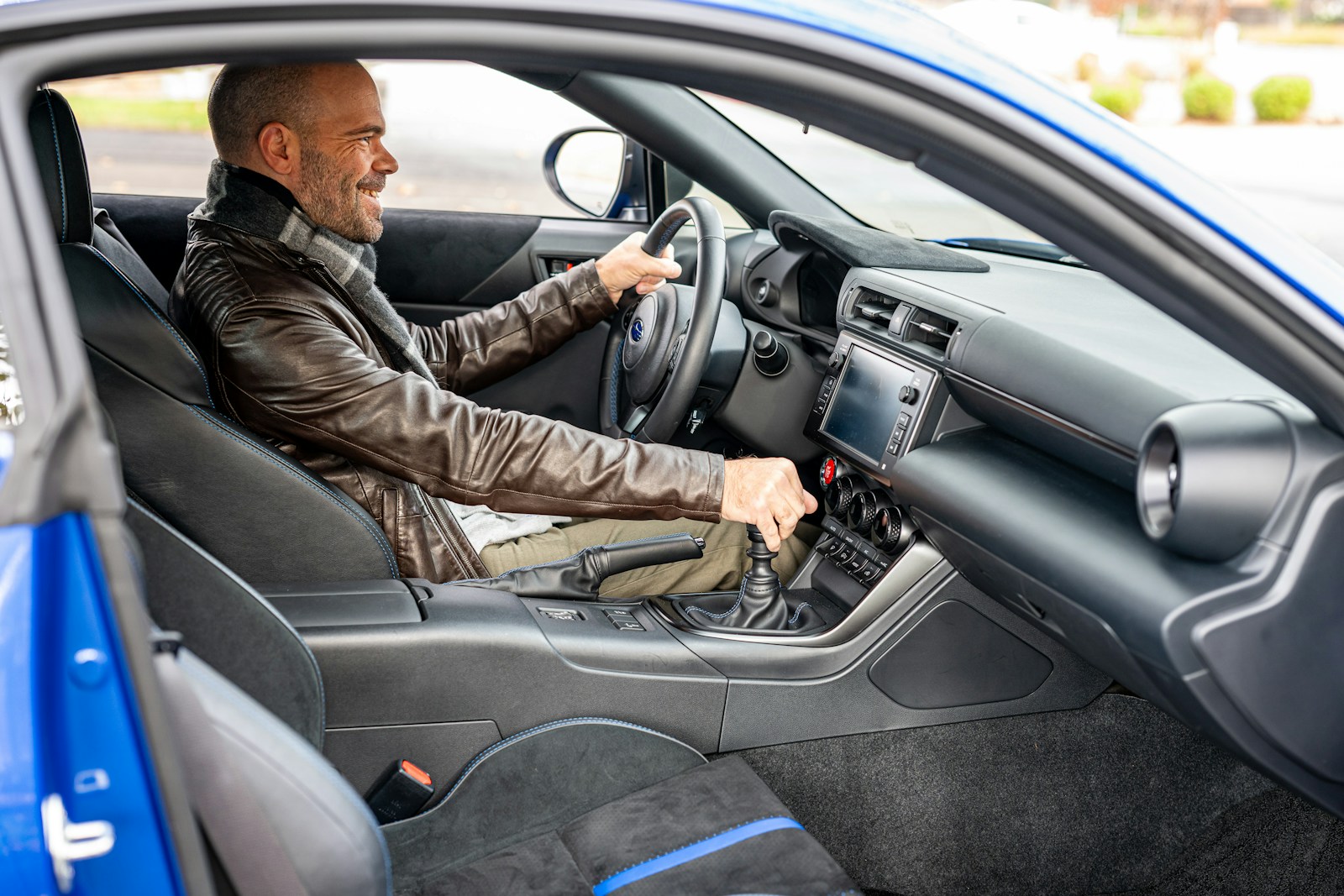
He didn’t come home with groceries or a new tool he’d been talking about for weeks. He came home with a sports car—low, loud, and parked half-crooked in the driveway like a dare. His wife saw it through the front window first, the way you notice an unfamiliar animal in your yard and your brain takes a second to decide if it’s real.
At first she honestly thought it was a neighbor’s, or maybe a friend dropped by. Then she saw her husband walking up the path with that specific grin he got when he’d already decided he was in the right. He was holding a key fob like it was a trophy, and he said, “Come out here. I got you a surprise.”
The surprise, it turned out, wasn’t for her at all—it was for him, and he wasn’t pretending otherwise for more than thirty seconds. They weren’t exactly broke, but they were the kind of couple that had debt they talked about like a third roommate: always in the house, always in the conversation, always affecting what they did. She’d been pushing to finally pay down the balances and stop juggling minimum payments, and he’d been nodding along—until the day he didn’t.
The “surprise” sitting in the driveway
He gave her the tour like a proud kid showing off a science project. He pointed out the rims, the seat stitching, the way the engine sounded when you tapped the accelerator, like she was supposed to clap and say wow. She stood there in slippers, arms folded, trying to understand how this could exist in their driveway without a conversation first.
She asked the most basic question in the world: “How much?” Not in a screaming way, not in a sarcastic way—more like someone checking the weather before deciding what to wear. His answer was a number that made her blink hard and look away like she’d been slapped.
He said it was a “good deal,” emphasized the monthly payment like that was supposed to soften the blow, and casually mentioned the dealership had “made it work.” When she asked what “made it work” meant, he shrugged and said financing, obviously, because who pays cash for a car like this? The way he said it implied she was being weird for not automatically getting it.
The worst part wasn’t even the car. It was the confidence. He was so sure she’d come around once she sat in it, once she heard it rev, once she felt how “alive” it was compared to their practical, sensible daily driver.
The part he skipped: their debt and the plan
They’d had a plan—at least she thought they did. Their debt wasn’t mysterious: credit cards from a few tight years, some medical stuff, and a lingering loan that never seemed to shrink because life kept happening. They’d been doing the adult thing on paper, cutting back, talking about snowballing payments, even tracking spending with one of those shared budgeting apps that turns your relationship into a spreadsheet.
He’d complained about the restrictions but still participated, or at least played the part. He’d agree to skip eating out, then “forget” and grab lunch somewhere. He’d talk about how they needed to get serious, then buy a new gadget because it was on sale and “basically free.” She’d been frustrated, but there was still a sense that they were rowing in the same direction.
What she didn’t know was that while she was celebrating a few small wins—one card finally dropping under a certain threshold, them making it through a month without dipping back into credit—he was browsing listings like it was a hobby. Not just browsing, either. Test drives, dealership chats, late-night videos about horsepower, and a running fantasy where the right car would finally make him feel like himself again.
So when she asked, standing in the driveway, “Did you use money we set aside for the debt?” he didn’t answer immediately. He did that little laugh people do when they’re stalling, then said he didn’t “use it,” exactly. He “redirected” it—temporarily.
When she asked about the payment, he made it personal
Inside, she tried to slow it down. She didn’t start with accusations; she started with logistics: the interest rate, the length of the loan, whether the payment fit into their budget without cutting necessities. She asked if their insurance would spike, and whether he’d considered that they were already paying interest on other things they kept saying they wanted gone.
He lasted about five minutes before the tone changed. His face tightened like he was hearing criticism, not questions. He said she was “making it negative” and that she was supposed to be happy for him.
She told him she wasn’t trying to kill his excitement—she was trying to understand how they’d afford it. That’s when he dropped the line that turned the whole thing from stupid to ugly: he said she was “killing his dreams.” He didn’t say it quietly, either. He said it like he’d been waiting to use it, like it explained everything.
To him, the car wasn’t just a car. It was a symbol, a reward, proof he hadn’t become some boring guy who only talks about APR and grocery coupons. He started listing the ways he’d “sacrificed,” like he’d been living in hardship, and acted like her asking about the payment was proof she didn’t care about his happiness.
The financial details he kept “forgetting” to mention
Once she got him talking, the details spilled out in pieces—never all at once, never in a clean confession. The down payment came from money they’d been saving, the money she thought was untouchable because it was earmarked for catching up. He framed it as borrowing from themselves, like that made it fine.
Then there was the trade-in. He’d traded in their older car—the one that was technically in both their names, the one she used for errands and appointments because it was reliable and paid off. He said it was “just sitting there,” as if a paid-off car is clutter and not an asset, and he acted surprised that she looked betrayed by that part.
And of course there were the extra add-ons, because there are always add-ons. Extended warranty, paint protection, whatever package they convince you is a “no-brainer” while you’re high on the smell of new leather. He talked about those charges like they were unavoidable facts of life, like gravity, and didn’t seem to grasp that each “small” thing stacked into a monthly payment that would now sit on top of their existing debt.
When she asked for the paperwork, he hesitated, then went to the car and came back with a folder he held a little too tightly. It wasn’t that he refused to show her; it was that he wanted to control the moment. She flipped through the pages and went quiet, doing math in her head, seeing months of effort evaporate into a shiny object.
The fight wasn’t loud at first—just cold and relentless
She asked him why he didn’t talk to her first. He said he knew she’d say no, and he didn’t want to be “talked out of it.” That answer landed like a door slamming, because it wasn’t just about the car—it was him admitting he’d gone around her on purpose.
He started framing her as the obstacle in his life story. He said she only cared about bills, that she didn’t understand what it felt like to want something and never go for it, and that she acted like fun was illegal. He kept using big emotional words to make her questions sound petty, like she was nagging him about leaving dishes in the sink instead of asking how they’d pay rent if something went wrong.
She told him she didn’t want to be his warden; she wanted to be his partner. She reminded him they’d talked about goals together—paying off debt, saving for a house upgrade, maybe taking a trip without putting it on a card. He rolled his eyes at the word “goals,” like it was corporate jargon, and said life was short and he deserved to enjoy it.
By the end of the night, the house felt divided into zones. He stayed near the keys, checking the car through the window like someone might steal it, like it was his new best friend. She stayed at the kitchen table with the paperwork, not crying, not yelling—just staring at numbers that didn’t care about anyone’s dreams.
And that’s the part that stuck: he kept insisting she was “killing his dreams,” but he’d made the dream out of something that required her to carry the consequences with him. The sports car sat outside like a glossy monument to impulse, while inside they were stuck with a question neither of them wanted to say out loud—if he could do something this big behind her back and call it self-expression, what else was he capable of justifying once it felt good in the moment?