
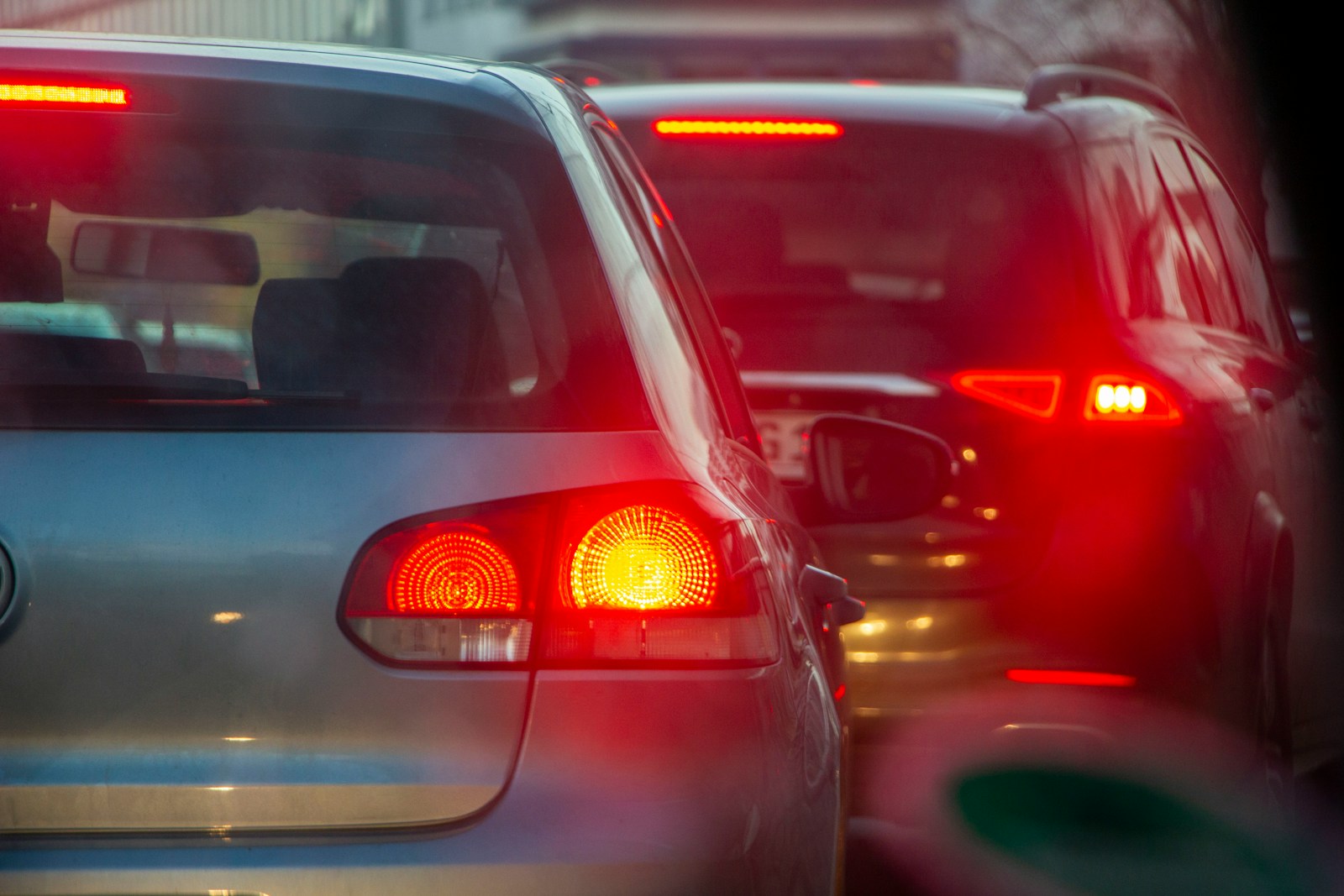

He was doing the most boring, responsible thing you can do in traffic: sitting still at a red light with his foot on the brake, watching the crosswalk countdown tick away. It was late afternoon, that awkward rush where everyone’s either trying to get home or trying to beat the next wave of congestion. His car was in “Drive,” his coffee was in the cup holder, and he was already mentally drafting the grocery list.
Then came the jolt—sharp, sudden, unmistakable. His head snapped forward, the seat belt bit into his chest, and the quiet little bubble inside the car got replaced by that ringing, disorienting “what the hell was that?” that follows any collision. In the rearview mirror he saw a hood too close, a driver leaning forward, and the immediate sinking feeling: he’d been rear-ended at a dead stop.
He put on his hazards and pulled into the nearest parking lot, the kind wedged between a strip mall and a gas station. The other car followed, a little too close, like the driver was afraid he might bolt. Before he’d even fully parked, the other driver was already out of their seat, walking fast, arms moving, talking before they’d even made it to his window.
The first minute was pure theater
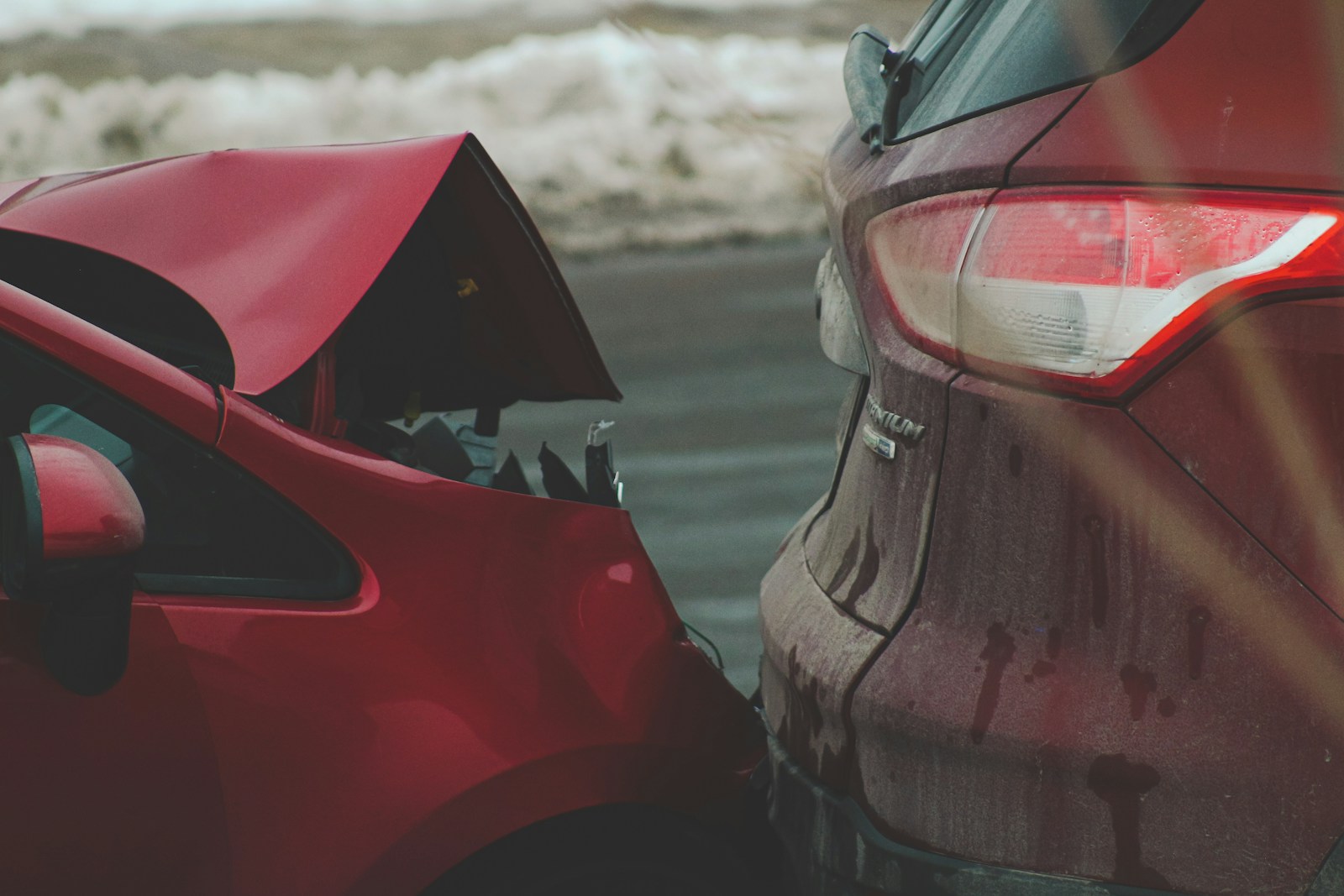
He stepped out and did the standard glance-over—rear bumper scuffed, a hairline crack near the corner, nothing catastrophic but definitely not “just a tap.” The other driver, a man in his thirties with a clean hoodie and a phone already in his hand, came in hot. Not apologetic, not checking if anyone was hurt, just immediately defensive like he’d been rehearsing an argument.
“Why’d you back up?” the guy blurted, loud enough that a couple people near the gas station pumps turned their heads. The stopped driver just stared for a second because it didn’t even compute. Back up? At a red light, in traffic, with cars behind him and a line of vehicles in front?
He tried to keep it calm, said he’d been stopped, said the impact came from behind, said he hadn’t moved an inch. The other driver didn’t meet him halfway; he doubled down and started describing this imaginary moment where the stopped car “suddenly reversed.” It was the kind of claim that sounded less like a memory and more like a strategy.
They called the cops, and the story got sharper
He suggested they exchange insurance like normal humans, but the other driver insisted on a police report. That should’ve been fine—if anything, a report helps clarify what happened. The weird part was how confident the guy seemed, like he was eager to get an official record of something that never occurred.
While they waited, the stopped driver took photos: the position of the cars in the lot, the damage close-up, the other car’s front bumper pushed slightly inward, and the little flecks of paint that made it obvious which direction the contact happened. He also snapped a picture of the intersection they’d come from, the stop line, the slope of the road (basically none), and the traffic cameras mounted on the pole. He didn’t know if any of that would matter, but the other driver’s energy had already flipped a switch in his brain: document everything.
When the officer showed up, the other driver launched into his version like he’d been waiting for his cue. He pointed at the stopped driver’s car and said, again, that the guy reversed into him. He even did a little hand motion, like he was illustrating a “backing” movement, which would’ve been funny if it wasn’t so blatant.
The stopped driver told his side slowly, sticking to the basics—stopped at the light, impact from behind, no reversing, pulled over safely. The officer listened, looked at the damage, and asked a few questions that sounded routine but landed like little darts: how fast were you going, how close were you following, what made you think he backed up. The other driver had answers, but they came out too fast, too polished.
Then, out of nowhere, witnesses appeared
This was the part that made the whole thing feel like a bad prank. The other driver stepped away to make a call, and within minutes two people drifted into the scene like they’d been summoned. They weren’t in either car, and they hadn’t been standing nearby when the crash happened—at least not that the stopped driver had seen when he got out and looked around.
The first was a woman who said she’d been “right there” and saw the stopped driver back into the other car. The second was a guy who echoed it with weirdly similar wording, like he’d heard the first version and just copied the shape of it. They both acted overly helpful, nodding as they spoke, eyes flicking toward the other driver like they were checking for approval.
The stopped driver didn’t start yelling, but he did that slow blink people do when reality shifts sideways. He asked them where exactly they were when it happened. One gestured vaguely toward the gas station, which wasn’t even at the intersection, and the other said something about being “behind them,” which made no sense because the other driver’s car had been behind him—by definition, there wasn’t another lane of “behind” to occupy unless you were a third car in line.
The officer took their statements anyway, because that’s what officers do: they collect information and let insurance companies and courts argue about it later. But you could tell the officer’s interest sharpened. People who truly witnessed something usually volunteer details without being led; these two offered conclusions without context.
The physical evidence didn’t match the performance
While the officer wrote things down, the stopped driver kept circling the cars with his phone camera, getting angles. He captured the height alignment of the damage—front bumper impact to the rear bumper at a consistent height—no weird side swipe, no corner-to-corner contact that might hint at an odd maneuver. He also photographed tire marks, or the lack of them, because a sudden reverse slam would usually come with some kind of aggressive movement, and the lot and roadway didn’t show it.
He pointed out something small but telling: his reverse lights weren’t on in any of the seconds after impact, including the moment he got out and hit the hazards. He had dashcam footage too, but not the rear-facing kind—just front view with audio. It didn’t show the collision itself, but it did show him stopped, the light still red, and the sound of impact followed by his involuntary “Are you kidding me?” and the clunk of him putting the car into park. It also picked up the other driver approaching and saying, almost immediately, “Why’d you back up?” like that line had been sitting at the top of his tongue.
The officer asked if there were traffic cameras at the intersection. There were, but everyone knows “traffic cameras” can mean a lot of things: some record, some don’t, some footage is accessible, some isn’t, and some gets overwritten fast. The stopped driver asked the officer if he should request footage. The officer gave the kind of noncommittal answer that still sounded like advice: if you want it, don’t wait.
The other driver kept hovering, listening, inserting himself into every exchange. Any time the stopped driver said something factual—“I was stopped,” “I didn’t move,” “I have photos”—the other guy would jump in with, “No, you did,” as if saying it again could make it true. The two “witnesses” hung back now, suddenly less talkative, as if their job was done.
The report wasn’t the end; it was the beginning
Eventually the officer wrapped up, handed them the incident number, and told them how to get the report later. No dramatic declaration of who was right, no roadside verdict. The stopped driver drove home feeling weirdly shaky, not from the minor collision but from the sense of being outnumbered by a story someone else had manufactured in real time.
That night he called his insurance and gave them everything: photos, dashcam clip, the officer’s info, and a careful explanation of the “witnesses” who appeared after the fact. The adjuster didn’t accuse him of lying, but you could hear the mental checklist being built—witness statements versus physical damage, plausibility of reversing at a red light, timeline of when these people materialized. The adjuster asked if he’d noticed any business cameras nearby, like the gas station or strip mall. That question alone felt like a lifeline.
He went back the next day and asked around. The gas station clerk said their cameras faced the pumps, not the road. One store manager said they had exterior cameras but wouldn’t release footage to a random guy—only to police or insurance. Another business said their system overwrote after a few days. He left his contact info anyway, because what else do you do when you’re trying to prove a negative?
And the most maddening part was how plausible it all becomes on paper if you squint. Two witnesses, both saying the same thing, versus one driver insisting he didn’t reverse. A minor rear-end collision without an obvious smoking gun. The stopped driver could already imagine the other guy telling his insurance, calmly, that it was a “fraud attempt” by the person who got hit, and that he had “people who saw it.”
By the time the official report became available, it didn’t declare fault—it just laid out competing narratives and noted the witnesses. The stopped driver read it twice, feeling his stomach tighten each time his eyes landed on their names. He’d been sitting at a red light, minding his own business, and now his reality had to compete with someone else’s confidence and two strangers who acted like they’d rehearsed their lines in the car ride over.
The whole thing hung there in that aggravating limbo where the damage is real, the truth feels obvious, and yet the outcome depends on whether someone in an office believes the physics more than the performance. He didn’t get a neat, satisfying moment where the other driver admitted anything. What he got instead was a folder of evidence, a ticking clock on any camera footage that might exist, and the lingering feeling that the scariest part of getting rear-ended wasn’t the impact—it was how fast someone could try to rewrite it while you were still catching your breath.