

There is a whole world of old cars sitting in fields, driveways and back lots, and one man has made a habit of buying them. In a reel from @rockys_rides, the theme is simple. He keeps buying lots of abandoned antique cars that have been left sitting around for years.
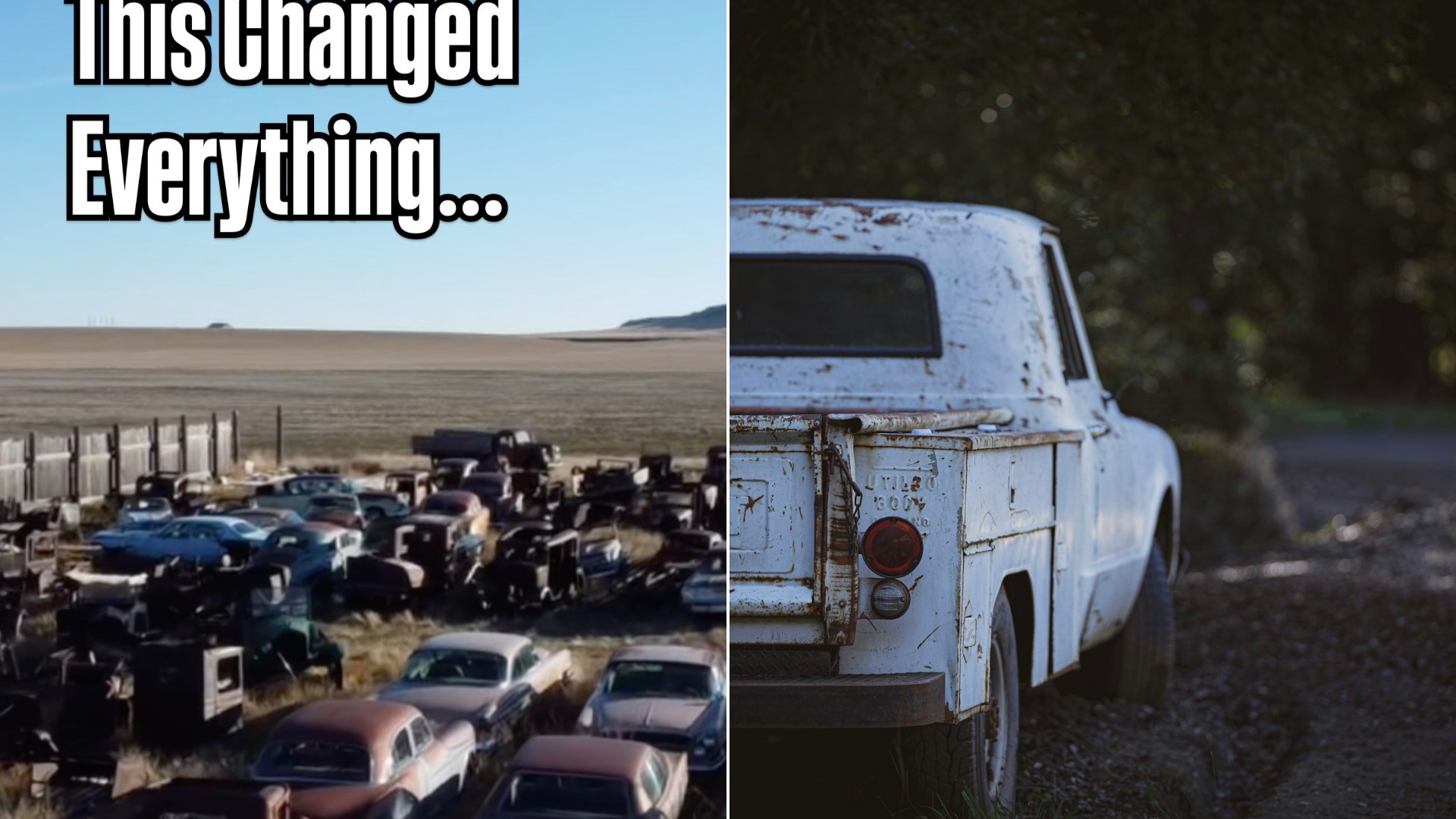
It is a story that hits home with anyone who has driven past a rusting classic and wondered who it belongs to and why nobody ever came back for it.
The reel drew a huge crowd, because the idea of rescuing forgotten metal speaks to something deep in the hobby.
View this post on Instagram
Man Keeps Buying Lots Of Abandoned Antique Cars Left Sitting For Years
According to his post, @rockys_rides is not picking up one lonely project here and there. He is buying lots of antique cars that have been parked and forgotten for years.
That is a different game from a single barn find. Buying in bulk means dealing with owners, sorting titles, hauling vehicles and deciding which cars are worth saving.
It also means a lot of patience. Old cars sit for a reason, and that reason is often a story about money, health, a family move or a project that got bigger than the owner could handle.
Why Cars End Up Abandoned In The First Place
Life gets in the way. A car gets parked while the owner is busy with a job, a new baby or a bigger priority, and one season turns into twenty years.
Sometimes an engine quit and the repair bill was more than the car seemed to be worth. Sometimes the owner passed the car to relatives who never had the time or the money to finish it.
Whatever the reason, the longer a car sits, the harder it is to bring back. Seals dry out, fuel turns to varnish and rust works quietly from the bottom up.
What Makes An Abandoned Antique Worth Buying
Not every old car is a treasure. The first thing to check is whether the car is complete, because missing trim, glass and drivetrain pieces can add up fast.
Rarity matters, but so does demand. A common model in poor shape may be worth only parts money, while a scarce trim level or a desirable body style can bring real value even when it looks rough.
Original equipment and documentation add to the price. Old registrations, build sheets and service records tell the story and help prove what the car really is.
Rust Is The Real Price Tag
Most of the cost of a revival is in bodywork. Surface rust on a fender is one thing, but rot in the floors, frame rails and structural pillars is another.
Bring a magnet, a flashlight and a screwdriver you do not mind getting dirty. A magnet that will not stick to a lower panel often means thick body filler hiding trouble.
Look underneath, too. If the frame is sound, the rest can usually be fixed. If it is not, the car can turn into a very expensive lesson.
Titles Make Or Break The Deal
An antique car without a title can be a nightmare. Rules differ by state, and some states allow a bonded title or an affidavit process for older vehicles while others do not.
Before paying, ask the seller for the title in their name and a bill of sale listing the vehicle identification number. Check that the number on the paperwork matches the number on the car.
If an owner has passed away or cannot be found, contact your state motor vehicle agency before moving anything. A few phone calls can save a lot of trouble later.
Buying A Lot Versus Buying One Car
A lot purchase can seem like a bargain, because the price per car may be lower. The risk is that you end up with cars you do not want and no place to put them.
Have a plan for storage and for hauling. Cars that do not run need a flatbed or trailer, and a winch is a smart investment for anyone who gets into this.
Decide ahead of time which cars you will keep, fix up or sell for parts. Quick decisions keep the cost of storage from eating your profit.
Where The Money Is Made And Lost
Parts are often worth more than a shabby whole car. Sheet metal, engines, glass and trim from popular models can bring solid money from restorers who cannot find them elsewhere.
On the other side of the ledger are towing, storage, taxes and the hours you put in. Many a buyer has found that the true cost of a project is double the first estimate.
Be honest about your skills and your budget. If you cannot do the work yourself, the shop bills for a full restoration can top the value of the finished car.
Do It Right And Treat Owners Fairly
The best collectors build a good name. They offer fair prices, keep their word and treat the old cars and their owners with respect.
That matters because word gets around. An owner who had a good experience will point you toward the next car in the field, and a bad reputation closes doors fast.
Be honest about what you plan to do with the car. Many sellers care more about a good home than about the last dollar.
A Hobby Built On Second Chances
The appeal of the reel from @rockys_rides is not hard to understand. A car that sat for years gets a new chance, and the person who rescues it becomes part of its story.
Collecting forgotten cars is not for the faint of heart. It takes money, muscle and a good eye, but it also gives something back that a shiny new car never can.
If you ever drive past an old car under a tree and itch to knock on a door, do it with respect, bring cash for a fair price and bring the paperwork to do it right.
More Stories You May Like
- Off Road Vehicle Left Outside For 30 Years Had A Missing Distributor Rotor, Seized Wheels And What Looks Like A Mouse Skull In The Leaves, Then It Showed Oil Pressure And Drove Off
- Man With A Fleet Of Old Trucks And Cars Finds Every Single One Needs Something, Fixes A Tractor And Brakes, Then Drives The Model T He Bought At 11 With $400
- One Year After Dragging Old Cars Out Of Fields And Falling Down Barns, He Has Something Like 75 Vehicles, From Model Ts To The 1960s