
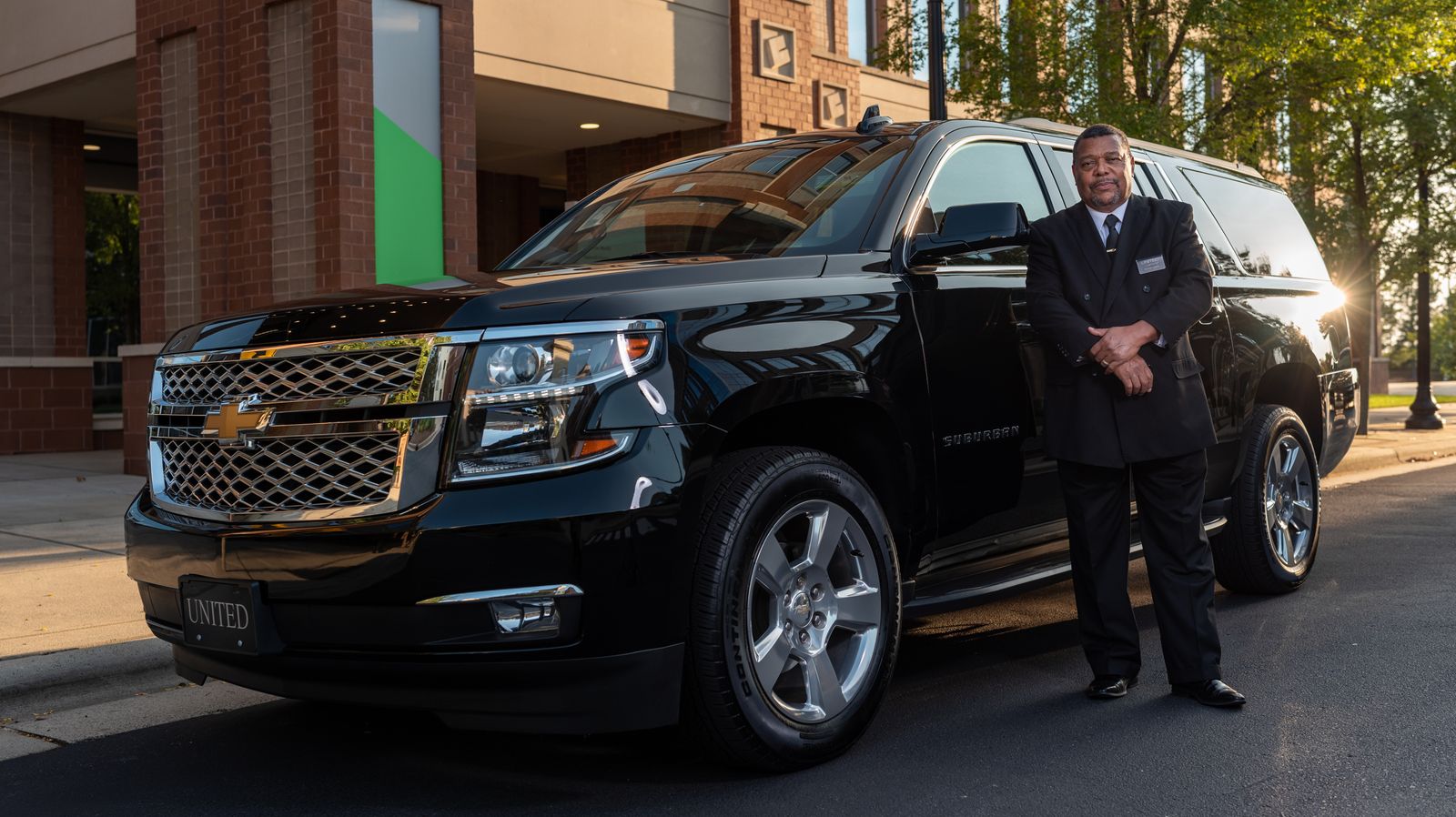

It started the way these things always start: a busy entrance, a cramped driveway, and a valet stand set up like a tiny air-traffic control tower for rich people’s vehicles. The restaurant was one of those downtown places with a glowing sign, heavy doors, and just enough sidewalk to make everyone feel like they’re in everyone else’s way. Two valets in black vests were juggling keys while a line of cars idled at the curb, blinkers ticking like a metronome.
Then this guy rolled up in a shiny late-model sedan, the kind that still looks like it has the dealership’s “new car smell” trapped inside it. He didn’t pull into the little “VALET” cone corridor like everyone else; he stopped slightly diagonal, blocking half the lane, and put his hazards on. One valet stepped forward with the practiced smile, hand out, ready for the exchange. The driver cracked his window like he was negotiating a hostage situation.
Right away, the vibe turned. The valet did the normal script—friendly, efficient, not asking for anyone’s life story—and the driver answered like the valet had personally insulted his bloodline. He wasn’t loud yet, but he had that tone that makes nearby people start listening even if they pretend not to.
The “I Don’t Hand My Keys to Strangers” Speech
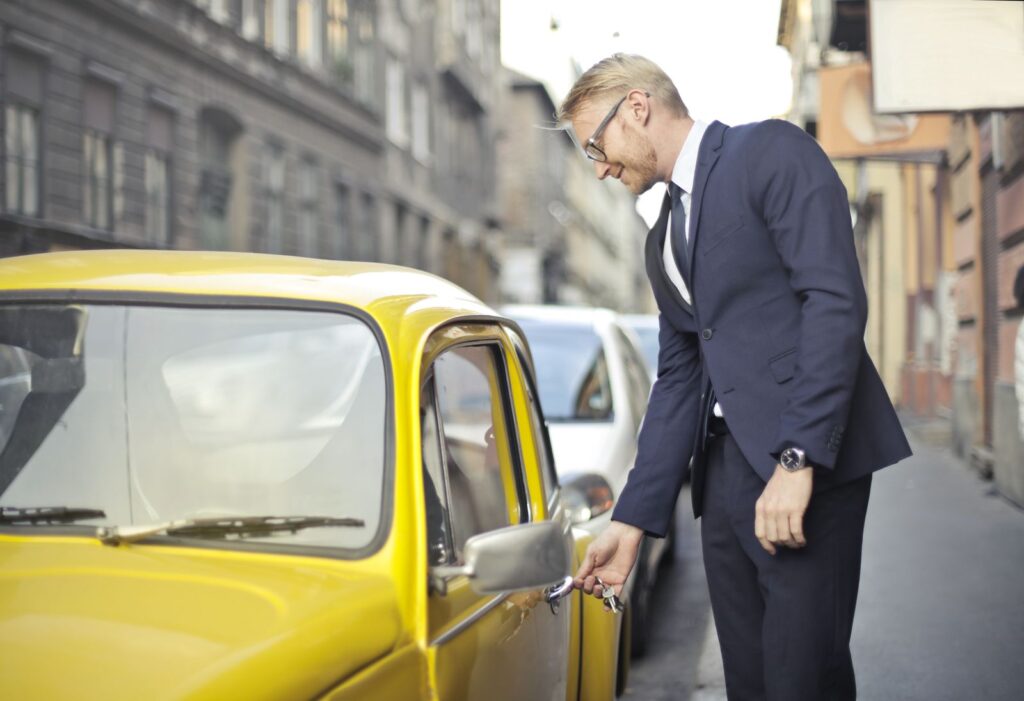
The valet asked for the keys, and the driver hit him with the classic: “I’m not comfortable with someone else driving my car.” Not “Hey, can I self-park?” or “Where’s the garage entrance?”—just a hard no, like the valet was trying to borrow his toothbrush. The valet blinked, still smiling, and pointed toward the lot entrance around the corner, explaining they didn’t have guest self-parking for that restaurant.
That’s when the driver leaned farther toward the window and started listing the reasons, as if he’d rehearsed them. He’d “seen videos” of valets joyriding. He “knew how this works.” He paid “way too much” for the car to have it “treated like a rental.” It wasn’t even an accusation so much as a speech meant to be overheard.
The valet kept his voice even, the way service workers do when they’re measuring how quickly a situation could become a problem. He said something like, “I totally understand, sir, but valet is the only parking option here. If you’d like, I can have my manager come speak with you.” That word—manager—landed like gasoline.
A Sidewalk Audience Forms
While this was happening, the line behind the sedan started stacking up. A couple in dressy clothes tried to squeeze past on the sidewalk, then slowed when they realized the scene was turning into dinner theater. One of the other valets drifted closer, not to gang up, but to be available if the first guy needed backup or a witness.
The driver finally opened his door, stepping out with the kind of stiff confidence people get when they’ve decided they’re the smartest person in a ten-foot radius. He was dressed nice—button-down, watch, the whole “I’m here for a reservation” vibe—but his face had that tight, irritated look like he’d been arguing with a customer service chatbot for an hour. He gestured at the stand and said, “I’m parking it myself. It’s my property.”
The valet, still calm, pointed out that the driveway was part of the restaurant’s access lane and they needed cars moved quickly for safety. He offered the compromise again: manager, alternate arrangements, even waiting a moment until a spot opened up. The driver cut him off and said, “No. I’ll do it. Move.”
People do this thing in public conflicts where they start narrating their own logic as if they’re addressing a jury. The driver said he’d “been a member” at places with valets before. He said he “knows” you can self-park if you insist. And the whole time he kept patting his pocket like a security blanket—keys, power, control.
The Moment He Decides to Prove a Point
Instead of pulling forward and getting out of the lane, he climbed back into the car and started doing that slow, deliberate steering people do when they’re performing competence. He didn’t go toward any lot entrance, though. He angled the car toward the valet stand itself, like he was trying to back into a spot that didn’t exist.
The valet’s posture changed—shoulders up, hands out, signaling stop. You could see the calculation in his face: keep it professional, but also don’t get your toes run over. He took a step back, then another, trying to give the driver room while also keeping the stand and the equipment safe.
And the driver, still staring forward like he was backing a trailer into a boat launch, put the car in reverse. The backup lights snapped on, and for a second it felt like he might just do a three-point turn and leave. Instead, he turned the wheel and started reversing directly toward the valet podium and the cluster of little signs, ticket printer, and the metal stanchion that kept the “queue” from dissolving into chaos.
There was that universal half-second where everyone watching thinks, “He’s not actually going to—” and then he did. Not a dramatic Hollywood crash, more like the dumbest possible parking error: a steady, grinding bump as the rear of the car clipped the stand and shoved it sideways.
The Crunch, the Silence, and the Immediate Panic
The impact wasn’t huge, but it was loud in a way that makes your stomach drop. Plastic cracked. Something metal scraped. The little stand wobbled, and the ticket printer made a sad, startled noise like it didn’t sign up for this either.
The valet jumped back and shouted, not profane, just sharp: “Stop! Stop!” The other valet moved in with both hands up, like he was guiding a plane to the gate, except the plane was being piloted by spite. The driver hit the brakes and sat there for a second, frozen, as if the laws of physics had betrayed him.
Then he did what people always do when they’ve just made a very public mistake: he tried to edit reality with words. He opened his door and said, “That stand was too close,” like the valet equipment had crept up behind him. He glanced at the damage on his bumper and immediately looked away, like eye contact would make it worse.
The valets didn’t yell. That was the wild part. The first one went into calm-pro mode and asked if anyone was hurt, then told the driver to pull forward and turn the car off. The driver bristled at being given instructions again, but he complied this time, probably because the crowd had gotten quiet in that heavy, judgmental way.
Manager Energy and the Paperwork Trap
The restaurant manager came out fast, phone already in hand, the way they do when they’ve heard the tone shift outside. He took one look at the skewed stand and the car positioned like a failed geometry problem and asked, very simply, “What happened?” The driver launched into another explanation, faster now, like if he talked enough he could outpace consequences.
The manager didn’t argue. He asked the valet if there was camera coverage, and the valet nodded toward a small security camera mounted under the awning. That’s the moment the driver’s confidence flickered. He stopped talking mid-sentence and stared up at the camera like it was a judge.
Someone—maybe the second valet—started gathering the scattered bits of plastic and straightening the signs. The manager asked the driver for his insurance information. The driver hesitated, then tried to pivot: he said it was “minor,” that he’d “take care of it,” that everyone could “just relax.” But the manager’s face stayed flat; he wasn’t negotiating vibes, he was dealing with property damage and a near miss with staff.
The valet, still looking slightly stunned, pointed out that he’d had to jump back to avoid getting hit. The driver snapped, “I didn’t come close to hitting you,” which is a very specific kind of denial—one that usually means he knows he came close. The manager didn’t respond to that line at all, which somehow made it more humiliating than if he’d argued.
Finally, the manager told him he couldn’t dine there that night. Not screamed, not dramatic—just a firm, “We’re not able to serve you this evening.” The driver stood there, keys in hand, staring at the doorway like he might still brute-force his way into the reservation. And then, as if remembering there were witnesses and cameras and an entire curb lane held hostage by his ego, he got back into his car and pulled away, bumper hanging on to its dignity by a thread.
By the time the next car rolled up, the valets were back in motion, but not quite. They kept glancing at the stand like it might move again on its own. The manager was on the phone, probably with someone who deals in insurance claims and liability language, while the sidewalk crowd dispersed with that quiet satisfaction people get when chaos resolves without them having to participate. The driver was gone, but the tension he left behind stuck around—because the mess wasn’t the broken stand or the scuffed bumper, it was the fact that he’d been so determined not to “trust a stranger” with his car that he’d nearly hit one, and now everyone involved had to pretend they hadn’t just watched a grown man reverse into a podium to make a point.