

The brake shop was having one of those normal, slightly chaotic afternoons where the phone won’t stop ringing and every car seems to come in “just for a quick look.” A guy in a sun-faded baseball cap rolled up in an older SUV that already sounded tired, like it was exhaling through every joint. He parked crooked across two spots, walked in like he’d been offended by the act of driving, and announced he needed his brakes checked because “they’ve been a little squeaky.”
The service writer did the usual calm, polite routine: asked what he was noticing, took down the mileage, and explained they’d do an inspection first. The guy was already in fight mode, tossing in little comments about how shops “always try stuff” and how he “knows how this works.” Still, he handed over the keys like he expected to be proven right.
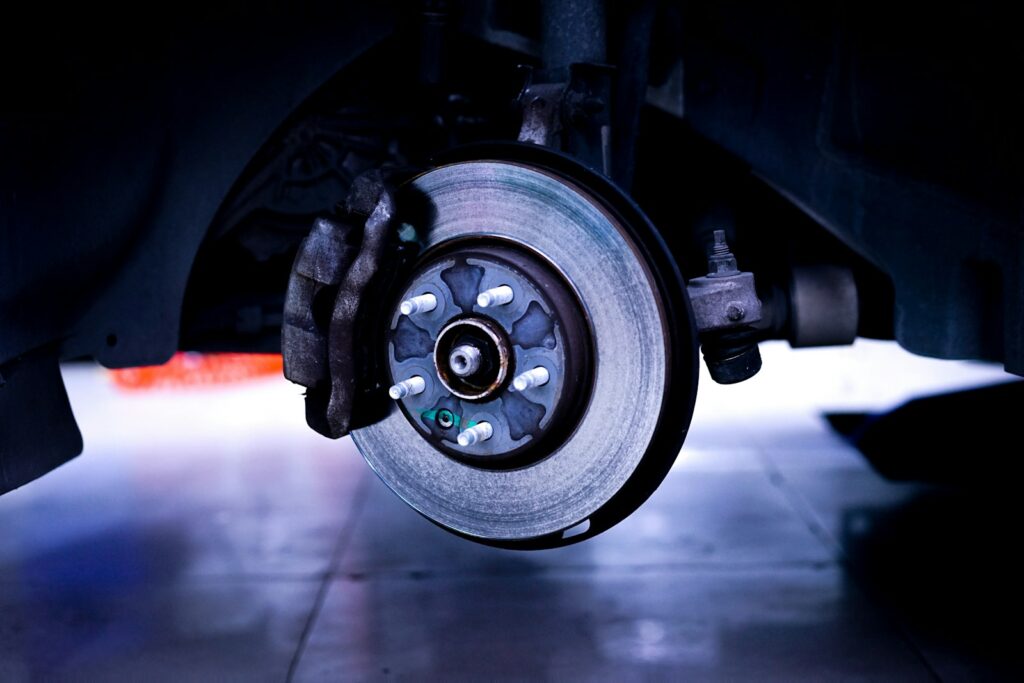
And to be fair, the inspection didn’t come back with some vague, mysterious “recommended services” list. It came back with a pretty straightforward problem: the front pads were basically gone, one rotor was scored badly, and there were signs the caliper on that side wasn’t moving freely. The tech wrote it up cleanly—no drama—because brakes aren’t the kind of thing you get poetic about when they’re failing.
The Estimate That Lit the Fuse
When the service writer brought out the estimate, it wasn’t a gentle number. Pads, rotors, and a caliper service adds up fast, and that’s before you factor in shop labor rates that never feel good to read. The guy stared at the paper like it was an insult, then did that quiet laugh people do when they’re gearing up for an argument.
He zeroed in on the caliper line item like it was the smoking gun. “That’s upselling,” he said, tapping the page with his finger hard enough to make the clipboard bounce. He insisted the brakes “worked fine” and that he only came in because of a squeak, not because he needed “a whole front-end rebuild.”
The service writer tried the classic de-escalation move: explained the measurements, offered to show him the pads, and pointed out that the rotor damage wasn’t cosmetic. The tech even brought the worn pad out and held it in his palm—thin as a cracker, unevenly worn, shiny in spots from metal contact. The guy looked at it for half a second and said, “Yeah, but you guys could’ve made that happen,” which is the kind of accusation that instantly changes the air in a room.
“Just Put It Back Together”
That’s when he switched tactics: he didn’t want the work, but he also didn’t want to pay anything. Not even the inspection fee. He wanted his keys back and wanted to leave immediately, like the shop had personally tried to scam him and he needed to escape.
The service writer kept it professional but firm. The inspection took time, the tech did the work of checking it, and the fee was posted right there on the counter—big enough that nobody could claim they didn’t see it. The guy’s voice rose half an octave as he argued that the shop “didn’t do anything” and therefore “couldn’t charge anything.”
Someone in the waiting area did that little head dip people do when they’re trying to pretend they’re not listening. The shop manager came up from the bay, wiping his hands with a rag, and asked what the problem was. The guy immediately turned to him like he’d been waiting for a final boss to appear.
The manager repeated the same basic message: no one was forcing repairs, but the inspection fee still applied. He also offered, again, to show the guy exactly what they found and why they were recommending what they recommended. The guy took that as more “pressure,” demanded his keys, and announced he’d “take it somewhere honest.”
The Walk of Defiance
Eventually, the shop did what shops usually do in this situation: they didn’t want the scene to keep growing. They handed over the keys after he paid the inspection—still muttering, still acting like he’d been robbed—because it wasn’t worth having him camp out at the counter all day. He snatched the receipt without looking at it, like even touching paper from them was contaminating.
He stomped out to the SUV with that stiff, determined gait of someone trying to win an argument after it’s already over. The service writer followed at a distance, partly out of habit and partly because nobody loves the idea of a customer leaving with borderline brakes when the shop just documented that the brakes were borderline. It’s a weird kind of helplessness: you can’t physically stop them, but you also don’t want the “I told you so” to be written in skid marks.
The guy climbed in, slammed the door, and sat there for a moment with both hands on the steering wheel. He was probably still fuming, maybe rehearsing how he’d tell the next shop what “those crooks” tried to pull. Then he started the engine and threw it into reverse with the quickness of someone trying to exit before anyone could get the last word.
The Fence Was Closer Than His Ego
The SUV rolled backward, and at first it looked like he was going to back out normally. But instead of a smooth stop, it did that ugly lurch where the brake pedal doesn’t quite give you what you expect. The rear kept creeping, the angle got worse, and the tires chirped like he’d jabbed the pedal hard.
The service writer, still outside, lifted a hand instinctively—half wave, half warning—like he could physically signal “stop” into reality. The guy either didn’t notice or didn’t care. He turned the wheel sharply, trying to pivot out fast, and the SUV’s front swung toward the edge of the lot where the chain-link fence ran along the property line.
There was a split second where the whole thing could’ve been saved with a calm, gentle brake application. Instead, the SUV surged forward like it had been kicked. It bumped the curb, hopped it, and then the front end smacked into the fence with a metallic rattle that made everyone nearby flinch.
Not a catastrophic crash—no airbags, no explosions, none of that movie stuff. But it was loud and stupid and perfectly timed, like the universe had been waiting behind the fence with a clipboard. The chain-link bowed, the metal posts shuddered, and the SUV sat there with its nose pressed up against it, idling like nothing happened.
The Aftermath Nobody Could Pretend Away
For a moment, nobody moved. The guy stayed in the driver’s seat, stiff and frozen, as if his body hadn’t caught up with what his car just did. Then he opened the door and stepped out, not with the swagger from earlier, but with a weird, cautious slowness—like he was hoping the fence would magically un-bend if he didn’t acknowledge it.
The manager walked over, stopping a few feet away with his hands on his hips. He didn’t yell. He didn’t need to. The whole situation was shouting on his behalf.
The guy started talking immediately, fast and defensive. He claimed the brakes “locked up,” then changed it to “the pedal went weird,” then said the parking lot was “set up wrong,” as if the fence had leapt into his path. The manager asked if he was okay, then asked if anyone else was hit, and only after that did he ask the obvious question: whether the guy now wanted to talk about the brake inspection results again.
It got quiet again, the way it does when someone realizes they’ve run out of rhetorical space. The guy looked at his own bumper, looked at the bent fence, and looked back toward the office like he was calculating the cost of pride versus the cost of getting out of there. The awkward part was that he’d crashed into the one place he’d just accused of scamming him, and now the only people who could document what happened were the ones he’d been calling dishonest five minutes earlier.
The shop’s next steps were practical: they needed his insurance, they needed to document damage, and they weren’t about to let him argue his way out of property damage like it was an optional add-on. The guy kept insisting it wasn’t his fault, but he also kept glancing at his SUV like he didn’t fully trust it anymore. And the manager, who’d been patient up to that point, finally got a little sharper when he said something along the lines of, “You’re not leaving until we get this sorted.”
In the end, the wildest part wasn’t that someone with bad brakes hit a fence. It was how quickly his whole narrative collapsed into a new one: from “you’re upselling me” to “please don’t call the police” energy in under a minute. He was still standing there next to the crumpled chain-link, trying to talk his way into a version of events where he didn’t look reckless, while his SUV idled like a ticking reminder that the shop hadn’t been selling him a story—they’d been selling him friction and physics, and he’d tested them in the worst possible place.
More from Steel Horse Rides: