
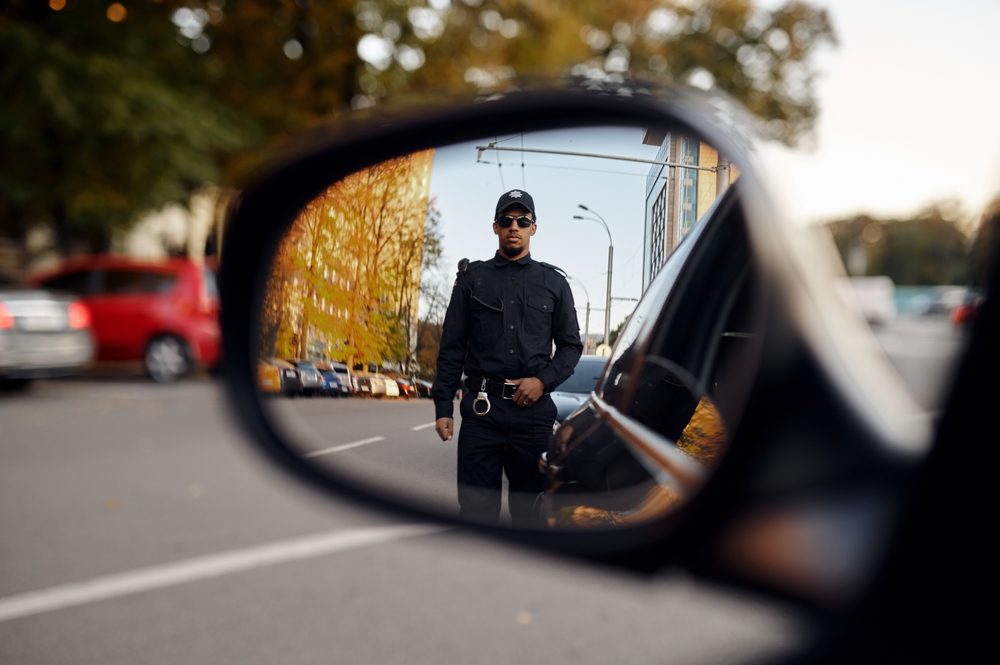

He wasn’t doing anything dramatic. Just driving home after a late shift, half-listening to a podcast, mentally picking between leftovers or a drive-thru. The only thing “off” about the car, according to him, was the window tint—dark enough to make the inside feel private, not dark enough (he thought) to be a crime.
Then the lights hit him. Red and blue flashed across his dashboard and the back window like a strobe, and his stomach did that instant drop where you’re already replaying the last five minutes of driving, trying to find the mistake you didn’t know you made. He pulled into a lit gas station lot because it felt safer than the shoulder, put both hands on the wheel, and waited for the tap.
The officer came up slow, flashlight sweeping across the interior even though the lot was bright. “Your tint’s too dark,” the cop said, quick and flat, like it was a script line he’d said all night. The guy nodded, tried to keep it simple, and reached for his license and registration—until the questions started drifting into territory that had nothing to do with glass or traffic codes.
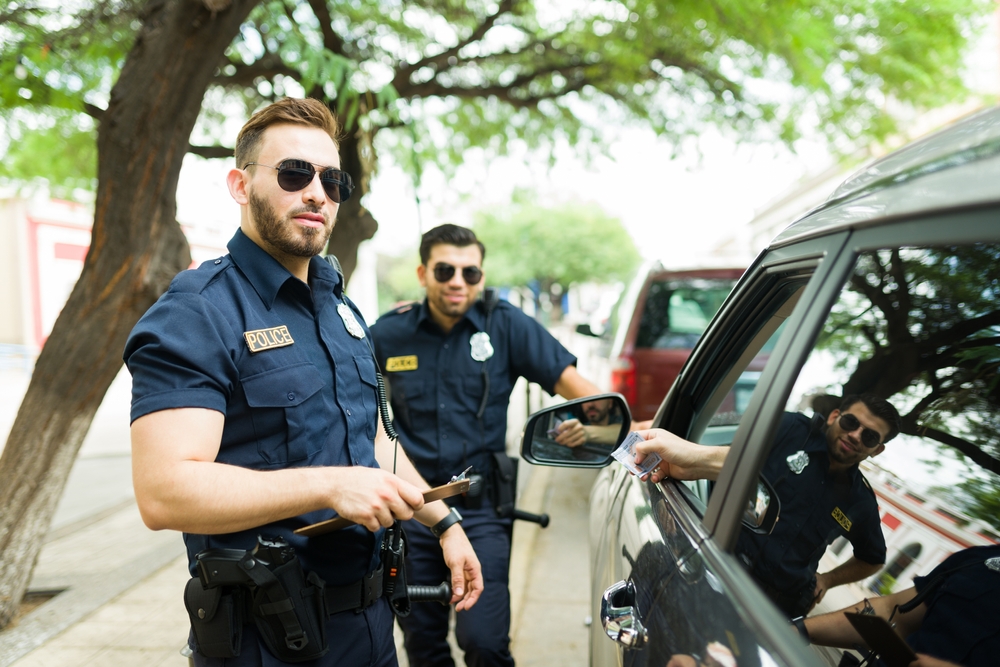
The kind of stop that starts normal
At first, it sounded like any other stop. The officer asked for license, registration, proof of insurance, and the guy complied, narrating his movements the way everyone’s been trained to do now: “My wallet’s in my back pocket,” “Insurance is in the glove box,” that whole dance. The officer took the documents and did the flashlight sweep again, lingering on the center console and the back seat like he expected the car to confess something.
The guy tried a little small talk—just enough to break the tension—mentioning he’d recently gotten the tint done and didn’t realize it could be an issue. The officer didn’t really bite. He asked where the guy was coming from, and the guy answered, “Work,” because he was coming from work.
That should’ve been it. Come from work, got a tint ticket, learn a lesson, go home. Instead, the officer asked, “What kind of work?” and then “How long you been there?” and then “You got a boss you can call?” like he was building a file instead of writing a citation.
The guy said he worked at a warehouse, night shift, and offered the name of the company. The officer nodded like he was taking mental notes, then asked if he had anything illegal in the car—drugs, weapons, large amounts of cash. The guy said no, because no.
When the questions stop being about the car
After the standard “anything illegal” question, the officer didn’t return to tint percentage laws or inspection stickers. He started asking about where the guy lived. Not just the city—how long he’d lived at that address, whether he owned or rented, and who else lived there.
The guy paused, because that’s a weird thing to ask a stranger over window tint. He answered the basics anyway, trying to keep his tone neutral, but you could feel him tightening up in the details he later described. The officer followed with, “You live alone?” and then, “You got roommates?”
It wasn’t conversational curiosity, either. It was the clipped, probing kind of questioning that sounds like it’s meant to catch you stumbling. The guy could tell the officer was watching his face for hesitation more than listening for answers.
Then the officer asked if he was married. The guy blinked and said no. The officer asked if he had kids, and when the guy said no again, the officer said something like, “So nobody’s waiting on you tonight,” and it landed with the kind of discomfort you feel in your teeth.
The “mind if I take a look?” pivot
That’s when the officer shifted into the part a lot of people recognize: the casual lead-in to a search request. He asked, “So you don’t mind if I take a quick look in the car, right?” It was phrased like agreement was the default and refusal would be suspicious.
The guy said he did mind. Not rudely, just clearly: he didn’t consent to a search. He’d read enough stories and watched enough videos to know that consenting turns “a quick look” into “step out of the vehicle while I open everything you own.”
The officer’s posture changed immediately. Less small talk, more edge. He took a step back, shined the flashlight hard into the guy’s face, and asked why he was being “uncooperative,” which is the kind of word that makes your heart start thumping because it’s always a prelude to escalation.
The guy repeated himself. He wasn’t trying to be difficult; he just didn’t consent. And that’s when the officer started asking questions that felt less like police work and more like fishing: “Where were you before work?” “Who were you with earlier?” “What were you doing at the gas station?” even though the guy had pulled into the gas station only because the officer lit him up.
It became a loop. The guy would answer, the officer would rephrase it like the answer wasn’t good enough, and the flashlight would keep bouncing around the car like a metronome. He could feel time stretching, and with each extra minute, the stop stopped being about tint and started being about power.
Waiting game, backup, and the polite threat
Instead of writing a ticket, the officer walked back to his cruiser and stayed there. The guy sat with his hands visible, trying to keep his breathing steady, watching the officer through the side mirror. A couple minutes turned into several, and then another set of headlights rolled into the lot and parked behind the first cruiser.
Backup. That changes the temperature of everything, even if nobody says it out loud. The second officer walked up, and the first one started talking to him in that half-whisper cops use when they don’t want you hearing but they’re standing fifteen feet away in an open lot.
They came back together. The first officer asked the guy to step out of the vehicle. The guy asked if he was being detained or if he was free to go, and the officer didn’t answer directly—just repeated the request with more firmness.
Outside the car, the questions got stranger, not clearer. The officer asked where the guy “hung out” on weekends, whether he’d ever been arrested, whether he had “associations” the officer should know about. The guy said no, or “I don’t know what you mean,” because what do you even say to “associations” when you’re standing under floodlights with two uniforms staring at your pockets?
At some point, the officer made another run at the search request. “If you’ve got nothing to hide,” he said, “this goes a lot faster.” It was the polite version of a threat: cooperate, or we’ll drag this out until you’re exhausted enough to give in.
The guy held the line again. No consent. The officers didn’t yell, didn’t put hands on him, didn’t do anything that would look dramatic on camera. They just kept him there, asking sideways questions and watching for the tiniest crack in his story.
How it ends when nobody “wins”
Eventually, the first officer went back to the original reason for the stop like he’d remembered it existed. He came back with a tint warning and a “fix-it” citation—something that sounded minor on paper compared to the last thirty minutes of interrogation theater. He handed back the documents and told the guy he could leave.
There was no apology for the detour into his personal life. No explanation for why “window tint” turned into “who lives at your house” and “nobody’s waiting on you tonight.” The second officer drifted back to the cruiser like he’d been bored the whole time, like the stop had been an errand.
The guy got back in his car and sat there for a beat before driving off, because his hands were shaky and he didn’t trust himself to merge cleanly. He kept replaying the questions that didn’t fit: marriage, kids, roommates, weekend plans. None of it had anything to do with tint, and that was the point—he couldn’t shake the feeling that the stop had been an excuse to see what else the officer could get him to say, or agree to, or give up.
Later, when he described it, he didn’t even sound triumphant about standing his ground. He sounded tired, like he’d walked away from a conversation where the other person kept moving the goalposts just to prove they could. And the weirdest part wasn’t the warning—it was how easily the stop turned personal, like the officer wasn’t trying to enforce a rule so much as figure out what kind of life the guy had, and how alone he was in it.
More from Steel Horse Rides: