
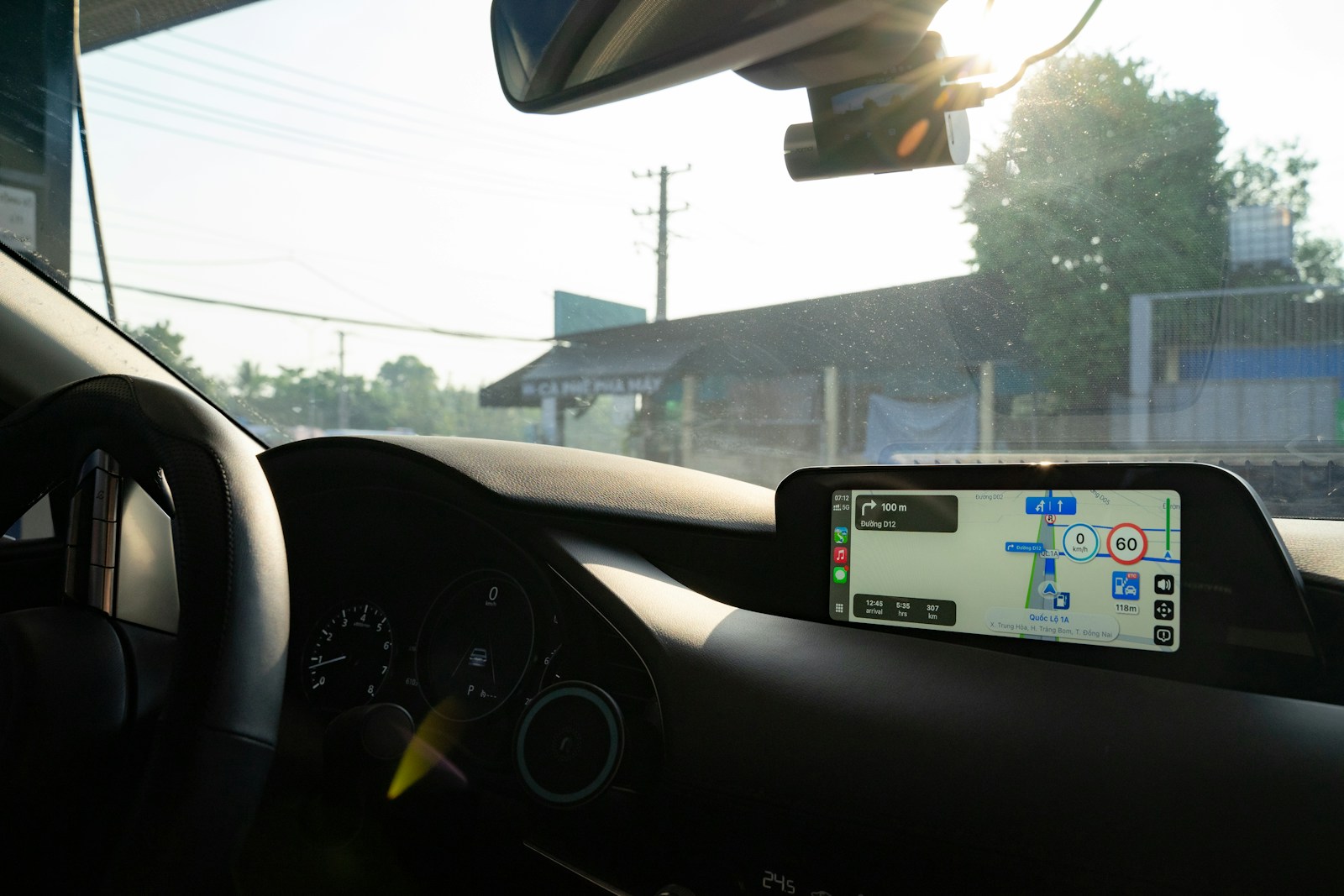

A man’s frustration went viral after his vehicle performed an automatic software update that wiped out all his personalized settings, turning his usual morning routine into a chaotic scramble. The overnight update reset his seat position, mirror adjustments, and radio preferences, leaving him stuck in the driveway trying to reconfigure everything while running late for work.
The incident highlights a growing concern with modern connected vehicles: automatic updates can override customized settings without warning, forcing drivers to manually restore their preferences. While software updates are meant to improve vehicle performance and add features, they can create unexpected headaches when they reset seats, mirrors, and radio settings that took weeks or months to perfect.
His story resonates with countless drivers who’ve experienced similar technical frustrations, sparking a broader conversation about whether vehicle manufacturers should do more to preserve user settings during software updates. The man’s morning mishap became a cautionary tale about the hidden downsides of automotive technology that’s supposed to make driving more convenient.
Car Update Chaos: The Morning Everything Changed
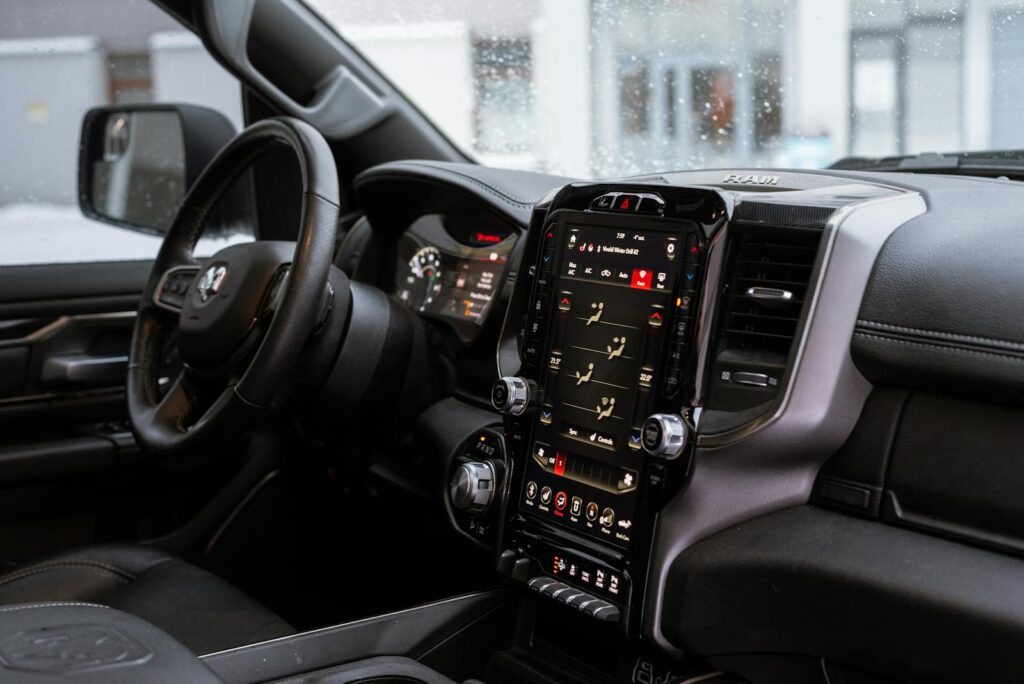
A driver’s routine morning turned into a frustrating scramble when his vehicle’s infotainment system underwent an unexpected reset, wiping out personalized settings for seats, mirrors, and radio presets just as he needed to leave for work.
How the Overnight Update Was Triggered
The car apparently received an over-the-air update while parked overnight, though the driver had no advance warning or notification about the incoming changes. Multiple Hyundai and Genesis owners reported experiencing identical profile resets on the same morning, suggesting a coordinated server-side trigger rather than individual vehicle malfunctions.
The timing caught drivers off guard since no manual update had been initiated. One owner noted their vehicle had 57% charge and wasn’t plugged in when the reset occurred. The synchronized nature of these resets across different models led some to speculate about a failed OTA signal or server-side command.
Several affected drivers had installed previous software updates weeks earlier, making the sudden profile wipe even more unexpected. The system treated each vehicle as if it were fresh from the factory, erasing all user configurations without consent.
Immediate Impact on Car Settings
The reset wiped out every personalized configuration the driver had established. His custom seat position, mirror angles, and saved radio stations all vanished instantly.
The Bluelink profile became unlinked from the vehicle despite still functioning in the phone app. Climate control preferences, navigation favorites, and media presets required complete reconfiguration. Some drivers discovered their bluetooth connectivity had stopped working entirely after the reset.
The infotainment screen displayed default settings as if the car had just rolled off the dealership lot. Multi-profile households faced additional complications, with some finding all driver profiles deleted while others had only certain profiles affected.
Delays Getting to Work and Daily Routine Disruption
The driver faced immediate time pressure trying to restore basic functionality before his commute. Readjusting seats and mirrors while already running late created a stressful start to the workday.
He needed to manually reconfigure dozens of settings that had taken months to perfect. The disruption extended beyond just that morning, as some saved destinations and navigation routes were permanently lost. For drivers unfamiliar with menu systems, the reset meant either driving with uncomfortable default settings or risking further delays by attempting fixes.
Technology Troubles and Broader Implications
Automatic updates in vehicles have become increasingly common as cars transform into connected devices, but the lack of user control and unexpected consequences have sparked debates about how automakers manage these systems. Questions about why updates reset personal settings and how drivers can protect themselves remain largely unanswered, while viral stories sometimes blur the line between genuine technical issues and exaggerated claims.
Investigating Why Automatic Updates Happen
Car manufacturers push automatic updates to fix bugs, improve performance, and add security patches without requiring dealership visits. Some automakers push updates automatically, leaving drivers with little say about when their vehicle receives new software.
The timing of these updates varies by manufacturer. Some vehicles download and install updates while parked and charging overnight, which can catch owners off guard the next morning. Tesla owners have reported waking up to find new features or changed settings after updates installed during the night.
GM has taken an aggressive stance, warning that skipping updates for more than 45 days could void warranty coverage for damage caused by outdated software. This policy effectively forces drivers to accept updates or risk losing protection.
The technology rollout remains inconsistent across the industry. OTA technology has been slow to roll out despite promises that software-defined vehicles would offer seamless improvements.
Tackling Reset Settings: Fixes and Precautions
When updates reset personal configurations, drivers face the frustrating task of reconfiguring everything from scratch. The man’s experience of being late for work while adjusting seats, mirrors, and radio settings reflects a common complaint among owners of connected vehicles.
Most vehicles lack built-in profile backup systems that survive software updates. Unlike smartphones that preserve user settings through updates, car systems often treat major software refreshes as factory resets. This oversight forces drivers to manually restore their preferences.
Some manufacturers have begun addressing this issue in newer models by implementing cloud-based profile storage. These systems theoretically preserve driver preferences even after updates, though implementation varies widely. Older vehicles rarely receive this capability through retrofits.
Common settings affected by updates:
- Seat positions and memory settings
- Mirror adjustments
- Radio presets and audio configurations
- Climate control preferences
- Display brightness and interface layouts
Dealing with Misinformation and Viral Stories
Social media amplifies both legitimate complaints and exaggerated tales about automotive technology failures. The story of a man blaming an overnight update for his tardiness spread quickly, though verification of the specific incident remains difficult. These viral moments often lack crucial context about what actually triggered the reset.
Politicians have occasionally weighed in on automotive technology concerns. While Trump hasn’t specifically addressed overnight car updates, discussions about American manufacturing and vehicle technology have touched on consumer control over increasingly computerized cars.
Cybersecurity threats to modern cars represent genuine risks that sometimes get conflated with routine update problems. Distinguishing between actual security vulnerabilities and inconvenient software behavior requires careful examination of each claim.
Investigations into widespread update issues typically happen only after numerous complaints reach manufacturers or regulatory bodies. Individual incidents rarely trigger formal inquiries unless they involve safety-critical systems.
More from Steel Horse Rides: