


He thought he was doing the classic dad thing: find a “safe little starter car,” get the paperwork done, slap a bow on it (figuratively), and watch his daughter feel that first jolt of independence. The car wasn’t fancy, but it looked clean, drove fine on the test run, and the dealer talked a big game about how it had been “checked out” and was “good to go.”
The daughter had only been driving it for a short stretch before the honeymoon ended in the least subtle way possible. Not in their driveway, not on some quiet side street where you can shrug and call roadside assistance. It died in the school pickup line—the one place where a car’s failure becomes a public performance with an audience of impatient parents.
And the part that made the whole thing feel personal wasn’t even the breakdown. It was what happened after: the dad says the dealer basically stopped answering the moment he heard where the car had died, like the location itself flipped some internal switch from “customer service voice” to “not my problem.”
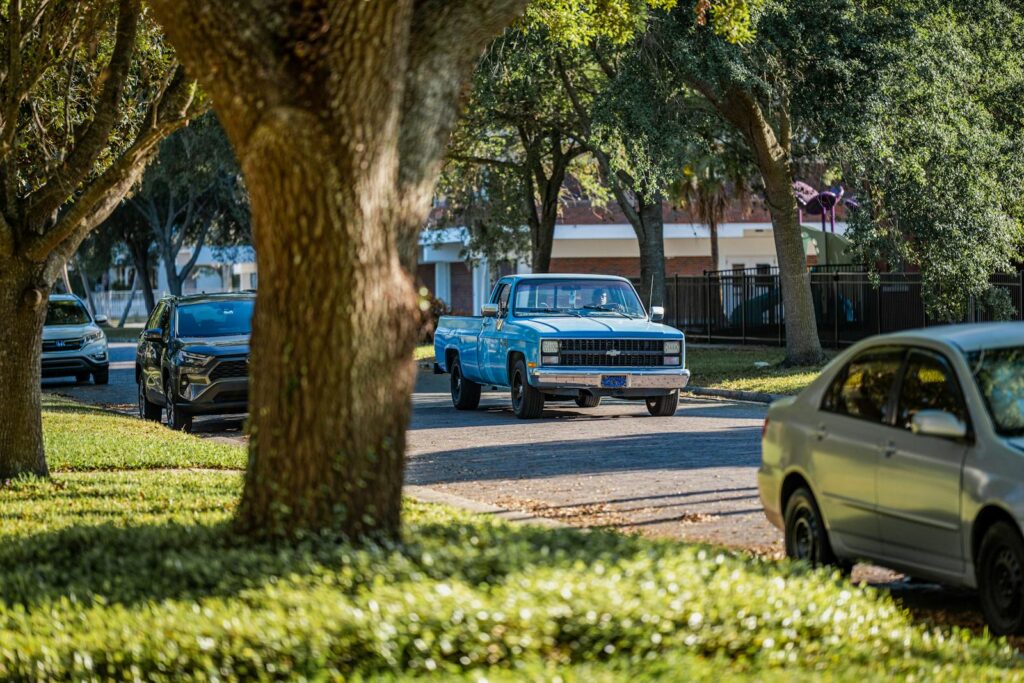
The “responsible” first car that didn’t feel responsible
From the way the dad tells it, he didn’t stroll onto a lot looking for a bargain that screamed trouble. He’d been picky, comparing listings, checking mileage, asking about maintenance, trying to avoid exactly this kind of headache. The dealer wasn’t a guy selling out of his backyard either; it was an actual used-car place with branding, financing options, the whole “we do this for a living” vibe.
There were little things that, in hindsight, started reading like early warning signs. The dealer was friendly but slippery, the kind of person who answers questions with confidence instead of details. When the dad asked about recent work, he got vague reassurance and a quick pivot to how reliable the model “usually” is.
Still, the car started, idled, didn’t clunk or stall on the test drive, and didn’t throw a Christmas tree of warning lights. The daughter was excited, the dad was relieved, and the dealer had that tone that suggests you’re lucky to have found this one before someone else did. So they bought it, drove it home, and tried to breathe.
Pickup line purgatory
The breakdown didn’t arrive with any dramatic lead-up. The daughter rolled into the school pickup line like everyone else, creeping forward a few feet at a time, heat building under the hood while the car did that stop-and-go torture that exposes weak batteries, bad alternators, and cooling issues. Then it just… quit.
No polite sputter. No “you have 30 seconds to pull over.” Just a dead car sitting in the narrow artery where everyone has to pass through. She tried the ignition again and again, and with every failed attempt, the reality got louder: she was blocking the line.
Other parents started doing that tight-lipped thing people do when they’re trying to look patient while clearly not being patient. A couple of them craned their necks, checking if the kid in the stalled car looked panicked. Someone behind her laid on the horn, the kind that’s less “heads up” and more “I’m mad that you exist.”
The daughter called her dad, voice shaky, half apologizing and half terrified. He could hear the chaos in the background—doors shutting, muffled shouting, that outdoor afternoon noise that makes everything feel more stressful. He told her to put the hazards on, stay calm, and he drove over there fast enough that he later admitted he didn’t love thinking about how he got there.
When the dealer hears “where,” not “what”
On the way, the dad called the dealer. At first, it sounded normal: the dealer picked up, did the “how can I help” routine, and even asked what the issue was. The dad explained the car had died and wasn’t restarting.
Then the dealer asked the question that seemed harmless: “Where are you?” The dad told him—at the school pickup line, in front of dozens of cars, with his daughter stuck and people getting angry. And that’s where the tone changed.
According to the dad, it wasn’t like the dealer yelled or said anything incriminating. It was more like the air went out of the conversation. The dealer suddenly got quiet, started speaking in shorter sentences, and stopped volunteering solutions.
The dad pressed, asking what to do, reminding him the car had just been sold, that they were stranded, that his daughter was embarrassed and scared. The dealer hit him with the verbal equivalent of backing away slowly: maybe it was “user error,” maybe she’d “flooded it,” maybe they should “try jumping it,” maybe they should “call a tow.”
And then—this is the detail the dad kept circling back to—when he asked the dealer to stay on the phone or at least call back in a few minutes, the dealer got off quickly. After that, calls went to voicemail. Texts sat unread or unanswered, depending on the app. It felt like he’d been put in the “this is going to become a problem” category and the dealer’s strategy was to become unreachable.
Dad shows up to the scene, and it’s worse in person
When the dad arrived, it was exactly as humiliating as it sounded on the phone. The car was dead in the middle of the line, and the line had turned into a slowly simmering crowd of parents who felt like their time was being stolen. The daughter was in the driver’s seat trying to look composed while her face kept betraying her.
He tried the basics: ignition, listening for a click, checking the dash, popping the hood. Nothing about it screamed an easy fix, and he didn’t have the luxury of experimenting while the pickup line became a tailback. A staff member was hovering nearby—polite, but clearly hoping he’d get the vehicle moved before things got more chaotic.
Someone eventually helped push while he steered, and that’s the part that stuck with him: strangers putting hands on his kid’s “first car” to shove it out of the way like a broken shopping cart. It wasn’t just mechanical failure. It was social failure, the kind that makes a teenager want to crawl out of their own skin.
He called the dealer again while they waited for a tow, and it rang into the void. He texted: “Car died. We’re getting towed. Need to talk.” Nothing. Meanwhile, the daughter was doing that quiet teen thing where they say they’re fine while their eyes are wet and they’re looking anywhere except at the people walking past.
The slow realization that this wasn’t going to be handled nicely
Once the car was out of the pickup line and the immediate crisis was over, the dad’s frustration hardened into something more focused. It wasn’t just that a used car had issues; everyone knows that’s a risk. It was the feeling that the dealer’s friendliness had an expiration date, and the countdown started the moment the keys changed hands.
He looked back at the paperwork and the way the sale had been framed. Any mention of “as-is” suddenly felt louder. Any breezy promise about it being “inspected” now sounded like a salesman’s lullaby meant to get you to stop asking questions.
He also couldn’t stop thinking about the dealer’s reaction to the location. The dad’s theory was that “school pickup line” meant visibility: witnesses, potentially a police officer or staff member involved, maybe even the kind of situation that ends with someone calling the business directly. It was one thing for a car to die quietly in a driveway. It was another for it to die in a place where everyone remembers the color and the chaos.
So he tried again, alternating calls and messages, and got the same blank wall. The dealer who had been easy to reach during the buying process now behaved like a ghost. The dad wasn’t asking for miracles—just some acknowledgment and a plan—but silence is its own kind of answer.
The daughter, meanwhile, didn’t want to drive anymore. Not just that car—drive at all. The breakdown had turned her first taste of independence into a memory of strangers honking while she sat helpless, and her dad could tell she was already replaying it in her head, deciding what it “meant” about her.
By the time the car was sitting wherever it got towed, the dad was stuck in that ugly in-between: not sure if he was dealing with a minor fix or a money pit, and not sure how hard he’d have to fight to even get the dealer to engage. He hadn’t gotten a resolution yet—just the clear sense that the minute he said “school pickup line,” the dealer pictured liability, bad publicity, or a headache, and chose the simplest defense: disappear.
And the last thing he could shake wasn’t even the cost of the repair. It was that his daughter’s first car story—the one she’ll tell forever—wasn’t “Dad surprised me with a car.” It was “My car died in the pickup line and the guy who sold it to us stopped answering the second he heard where it happened,” which is the kind of sentence that doesn’t end when the tow truck drives away.
More from Steel Horse Rides: