

He’d handed over the keys like it was no big deal. A quick favor, a little “hey man, can you take a look at this when you get a minute?” situation between friends. The car was making an ugly grinding sound on turns, the kind that makes your stomach clench, and his buddy was the one person he trusted not to upsell him into a bunch of nonsense.
The buddy wasn’t just “good with cars,” either—he was a mechanic. Not the kind who changes oil on weekends, but the kind who had lifts, a shop connection, and a whole identity built around being the person everyone calls when their dashboard lights up like a Christmas tree. So when the mechanic friend said, “Drop it off, I’ll handle it,” the guy didn’t think twice.
Then weeks went by. Then months. And somehow the only thing getting repaired consistently was the mechanic friend’s patience for being asked about it.
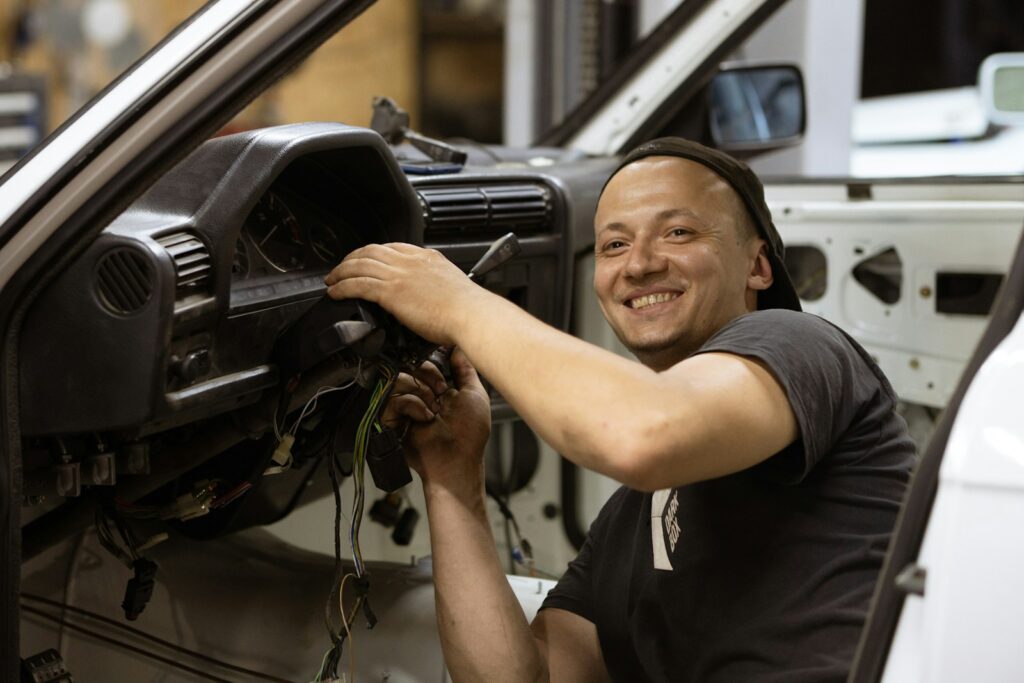
The “Just Leave It With Me” Phase
At the beginning, it sounded normal. The guy dropped the car off and got the usual confident rundown: he’d diagnose it after work, order whatever parts it needed, and have it back soon. The mechanic friend talked like he already knew what it was—maybe a wheel bearing, maybe a CV axle—nothing catastrophic, just annoying.
The first week was all calm check-ins. The guy texted once or twice, got back “haven’t gotten to it yet” and “busy week,” and figured that was fair. They were friends, and he wasn’t paying dealership rates, so he didn’t want to hover like a customer with a clipboard.
But by week three, the story started getting slippery. It wasn’t “I’m busy,” it was “I had it up on the lift but had to drop it down,” and then “parts are taking forever,” and then “I’m waiting on a guy.” The kind of vague mechanic-speak that sounds plausible until you realize you’ve heard four different versions of the same delay.
Meanwhile, the guy was living like someone whose car had vanished into the ether. Borrowing rides, paying for Ubers, trying to make grocery trips and work commutes happen on other people’s schedules. Every time he thought, Okay, I’m going to push a little harder, he’d remember it was a friend and not a shop, and he’d swallow it.
Excuses Pile Up, and the Friendship Starts Feeling Like Collateral
After the first month, the guy stopped asking “Is it done?” and started asking “What’s the status?” like changing the wording might unlock a new answer. The mechanic friend would respond quickly sometimes, almost defensively, like he’d been expecting the text. Other times he’d go silent for days and then pop back up with a casual “my bad, been slammed,” as if that reset everything.
The weird part was how normal the mechanic friend acted in every other context. He’d send memes, talk about weekend plans, even mention other cars he’d worked on. The guy would read those messages and feel his jaw tighten, because it sure sounded like other people’s cars were getting attention.
When they did talk about the car, the mechanic friend had this habit of making it sound like the guy didn’t understand how much effort was involved. He’d mention “tearing it down,” “getting under there,” “the bolts were seized,” like he was doing battle with the laws of physics. The guy would back off again, partly out of guilt, partly because he didn’t want to be the friend who treats a favor like a contract.
But favors aren’t supposed to trap you. And the longer the car sat, the more it stopped feeling like a favor and started feeling like the mechanic friend had taken possession of something that wasn’t his.
The Moment It Becomes About Control
By month two, the guy’s patience was cooked. He wasn’t even asking for a finished repair anymore—he’d take it back broken if he had to. He just needed his car back in his driveway so he could make decisions like a normal adult instead of waiting for occasional updates like they were weather reports.
So he tried a straightforward approach: “If it’s not going to happen soon, I’ll just grab it and take it somewhere else.” That’s when the mechanic friend’s tone changed. Not apologetic, not understanding—irritated, like the guy had insulted his competence.
The mechanic friend started acting like the car was mid-surgery and moving it would be unreasonable. “It’s up on stands,” he said, or “I’ve got it taken apart,” or “you’re gonna make this worse.” Except every time the guy asked what specifically was taken apart, the answer got fuzzy.
And then came the strangest flex: the mechanic friend implied that because he’d “already put time into it,” the guy couldn’t just take it back whenever he wanted. No invoice, no written agreement, no clear list of parts purchased—just this vibe of, You can’t pull it now, I’ve invested in this, like the car was a shared project and not someone else’s property.
“Can I Just Get the Keys Back?”
By month three, the guy decided he needed to stop dancing around it. He’d been accommodating, he’d been patient, and it hadn’t gotten him a working car or even a clear timeline. So he sent a message that was careful but firm: he wanted the keys back and he wanted to pick the car up, whether it was fixed or not.
That’s when the mechanic friend got offended in a way that felt almost theatrical. He didn’t respond like someone who’d dropped the ball and got called on it; he responded like someone whose honor had been questioned. He accused the guy of not trusting him, of being ungrateful, of acting like he was “some random shop” instead of a friend.
The guy, understandably, tried to keep it practical. He wasn’t calling the mechanic friend a liar; he was asking for his own keys so he could have control of his own vehicle again. But the mechanic friend kept steering it back to feelings—how disrespected he felt, how “nobody understands how busy I am,” how he’d been planning to get to it “this week.”
And then the mechanic friend did the thing that really made the situation feel ugly: he hesitated about handing the keys over. Not “Sure, come by tonight,” but “Why do you need them?” and “What are you going to do?” like the guy was asking to borrow something instead of reclaim it.
The Pickup Turns Into a Standoff
When the guy finally went over in person, it wasn’t a friendly hangout. It had that stiff energy where both people are trying to act normal while everything in the room is sharp. The car was there, but it didn’t look like an active project—more like something that had been parked and ignored, with a light coat of dust and that sad, abandoned look cars get when they’ve been sitting too long.
The mechanic friend did a lot of talking before he did any handing-over. He pointed at the wheels, mentioned parts he “was going to order,” complained about how hard it was to find time. The guy stood there waiting for the one thing he’d come for: keys in his hand and the ability to leave.
When the keys finally came out, it wasn’t with an apology. It was with a sigh and a look that said, I can’t believe you’re making me do this. And just to make sure the moment stayed tense, the mechanic friend tossed in one last line about how the guy was “burning bridges” and “making it a problem,” as if the problem hadn’t been sitting in his driveway for months.
The guy didn’t blow up, but he didn’t thank him either. He just loaded up whatever parts were in the trunk—if there were any—and got ready to tow it, because at that point he didn’t even trust it to drive. The whole scene felt like a breakup where one person insists they were about to change, right as the other person packs the last box.
Afterward, the fallout wasn’t loud so much as it was cold. The mechanic friend stopped messaging, stopped sending memes, stopped acting like a friend at all. And the guy was left with the kind of anger that doesn’t have a clean place to go: not just about the wasted time and the missing car, but about how quickly “friend doing a favor” turned into “friend acting entitled to your stuff.”
Because the part that stuck wasn’t even the months without a car—it was the moment the mechanic friend treated a simple request for keys like an accusation. That’s the unresolved sting: the guy got his car back, but he didn’t get back the easy trust that made him hand those keys over in the first place.
More from Steel Horse Rides: