

He wasn’t trying to be cheap in a sketchy way. He was trying to be cheap in the normal way people are cheap when rent’s due and their car starts making a noise that sounds like a jar of screws in a dryer.
The guy—let’s call him Nate—had an older SUV he relied on for work. Nothing fancy, but it hauled his tools, got him across town, and didn’t complain until one week it started hesitating on acceleration and throwing a check engine light like it was trying to win an award for persistence.
He mentioned it in a group chat, half venting, half fishing for recommendations. That’s when his mechanic friend, Derek, slid in with the offer: he could fix it “cheap” if Nate brought it by after hours. Derek wasn’t just some random dude with a socket set, either—he worked at an actual shop, had years in the trade, and had done small stuff for friends before.
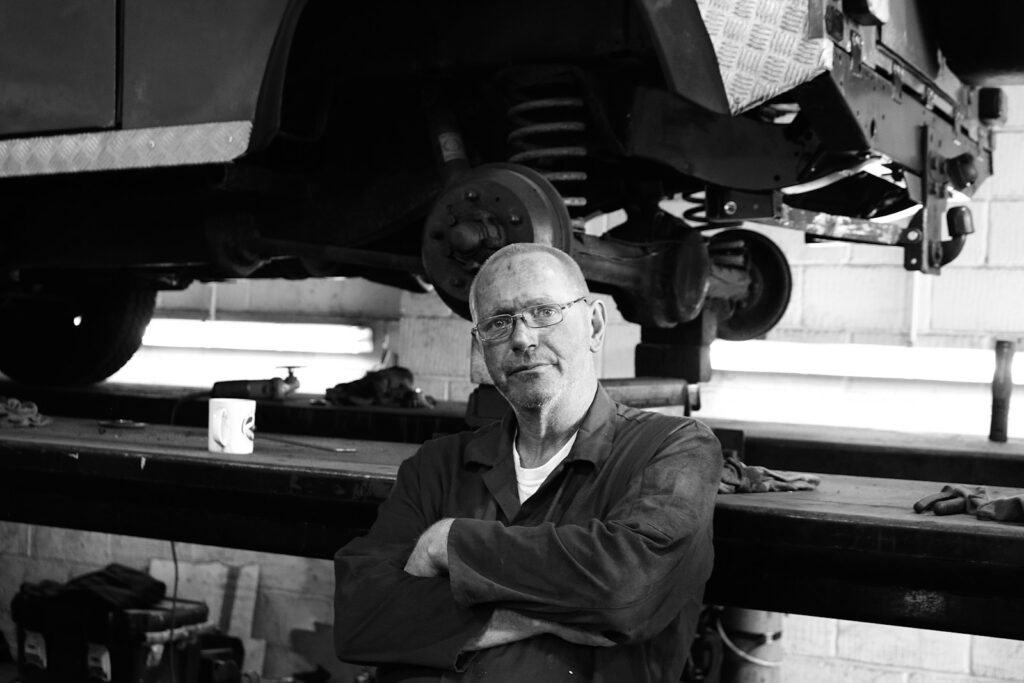
The cheap fix that sounded too easy
Derek’s pitch was simple: Nate didn’t need to pay dealer prices, didn’t need to get “scammed” by a chain shop, and definitely didn’t need to tow it anywhere. Derek said he’d run a quick diagnostic, swap a couple parts, and it’d be good. He tossed out a number that was low enough to make Nate feel relieved and slightly suspicious at the same time.
Nate asked the obvious questions—what exactly was wrong, what parts were needed, and whether it was safe to drive. Derek kept it casual, telling him it was “probably” a sensor issue or something in the ignition system, nothing catastrophic. The vibe was: trust me, I do this all day.
So Nate trusted him. He dropped the SUV off on a weeknight, Derek waved him into the lot behind the shop, and they did that friend-business thing where money is discussed like it’s embarrassing. Derek said cash would be easiest, and Nate handed over a chunk up front for parts.
After-hours wrenching and the first weird signs
The next day Derek texted like everything was progressing normally. He said he’d replaced a couple things, cleared the codes, and it was “running way better.” Nate asked for specifics—what got replaced, what codes it was throwing—and Derek responded with that mechanic shorthand that sounds informative but isn’t: “Misfire stuff. Usual suspects.”
When Nate picked it up, Derek didn’t hand him an itemized receipt or anything, just a quick summary in the dark parking lot. Nate noticed the engine bay looked like somebody had been in a hurry—one plastic cover not quite seated, a clamp positioned weird, a faint smell of fuel that Derek brushed off as “residue.” Nate told himself he was being paranoid because he’d paid friend prices and this was just how after-hours work looked.
The SUV did feel better at first. The hesitation was mostly gone, the idle smoothed out, and Nate drove home thinking he’d dodged a major bill. He even sent Derek a thank-you message and told him he’d recommend him to anyone who asked.
Two days later, the check engine light came back. Not only that—there was a new sound, a sharper knocking when the engine was under load. Nate texted Derek, trying to keep it light: “Hey man, light’s back. Also hearing a knock. Can you take a look?”
The engine blows in the most public way possible
Derek didn’t respond right away, which wasn’t unusual. He worked long shifts, and Nate didn’t want to be that guy who spam-texts. He drove the SUV to work anyway, because what else was he supposed to do—take a day off because a friend hadn’t texted back?
The engine gave up on him in the most humiliating way. Not in a quiet, pull-over-and-sigh way, but in a loud pop-then-grind way that turned heads at a stoplight. Smoke started curling out from under the hood, and by the time Nate rolled into a parking lot, it smelled like burnt oil and hot metal.
He called Derek. Straight to voicemail. He called again. Voicemail. Then he sent the kind of text that’s calm on purpose but clearly not calm: “Dude, it just blew. I’m on [street name]. Need you to call me ASAP.”
Nate ended up getting it towed to the nearest shop because he didn’t have the luxury of waiting. The tow driver did a quick glance under the hood and made a face like he’d seen this movie before. When Nate told him a mechanic friend had just worked on it, the driver gave him a little nod that wasn’t comforting.
“Who touched this last?”
At the new shop, the first question wasn’t about the symptoms or the warning lights. It was, “Who worked on it last?” That’s the moment Nate said his stomach dropped, because it’s a different kind of question than “What happened?” It’s the kind that implies there’s going to be a before-and-after story.
They didn’t tear into it immediately, but even the initial look raised eyebrows. The tech pointed out a couple things that looked off—hardware that didn’t match, a connector that looked stressed, and signs that somebody had been chasing a misfire without addressing a deeper problem. Nate didn’t fully understand the technical details, but he understood the tone: this wasn’t just bad luck.
Then came the expensive part. The shop said the engine was toast, and even if they could pinpoint what triggered the failure, proving responsibility would be messy. Nate asked what could cause an engine to die right after “a cheap fix,” and the tech gave him a careful answer: sometimes a wrong diagnosis leads to driving it harder than you should, sometimes an installation mistake creates a chain reaction, sometimes the engine was already on borrowed time and the last person in there becomes the villain by default.
Nate didn’t want a villain by default. He wanted his friend to answer his phone.
The ghosting starts the second names get mentioned
Nate texted Derek again with more detail—tow, new shop, blown engine. He asked what parts Derek had replaced and whether Derek had noticed anything alarming. He wasn’t even accusing him yet; he was trying to gather facts, because it’s hard to argue with anyone without facts.
Derek’s responses got weird fast. First it was a short “Damn that sucks.” Then it was silence. When Nate asked for receipts or part numbers—anything he could show the new shop—Derek stopped replying entirely.
That’s when the situation stopped being “car trouble” and became “friend drama with a financial crater.” Nate started asking mutual friends if they’d heard from Derek. Someone said Derek had posted a story the night before, out with friends like nothing was wrong. Someone else said Derek had been complaining about “people blaming him for stuff” at work.
And then the questions started popping up in the group chat where it had all begun. Not in a supportive way, either—more like a slow, awkward turn toward the mess. People wanted to know why Nate didn’t just go to a shop. People wanted to know why Derek took the job if he wasn’t sure. People wanted to know if Derek had even been allowed to do side work at his employer’s lot.
Nate did something that made sense emotionally but escalated everything: he asked Derek directly, in that same group chat, to please respond because he needed to know what had been done. It wasn’t a blow-up message, but it was public. And once it was public, Derek couldn’t just pretend he hadn’t seen it.
Except he kind of did. Derek left Nate on read, and then a few hours later, Nate noticed Derek had unfriended him on one platform and blocked him on another. Not a dramatic “we’re done” speech—just the digital version of walking out of a room while you’re still talking.
By then, Nate had a dead SUV, a towing bill, a diagnosis that didn’t come with proof, and a friend who was acting like the whole situation was a spam call he could ignore. And hanging over all of it was the one detail nobody could stop circling: Derek had offered the fix, taken money, used the shop space, and then vanished the second the engine blew and everyone started asking the exact questions Nate didn’t want to have to ask.
What Nate couldn’t shake wasn’t even the money, though that part hurt. It was the timing—the way Derek was confident right up until the moment there was real damage, real scrutiny, and a real chance someone might demand a straight answer. Now Nate’s stuck deciding whether this is a legal problem, a friendship funeral, or both, while Derek’s silence keeps daring him to prove what happened under the hood that night.
More from Steel Horse Rides: