
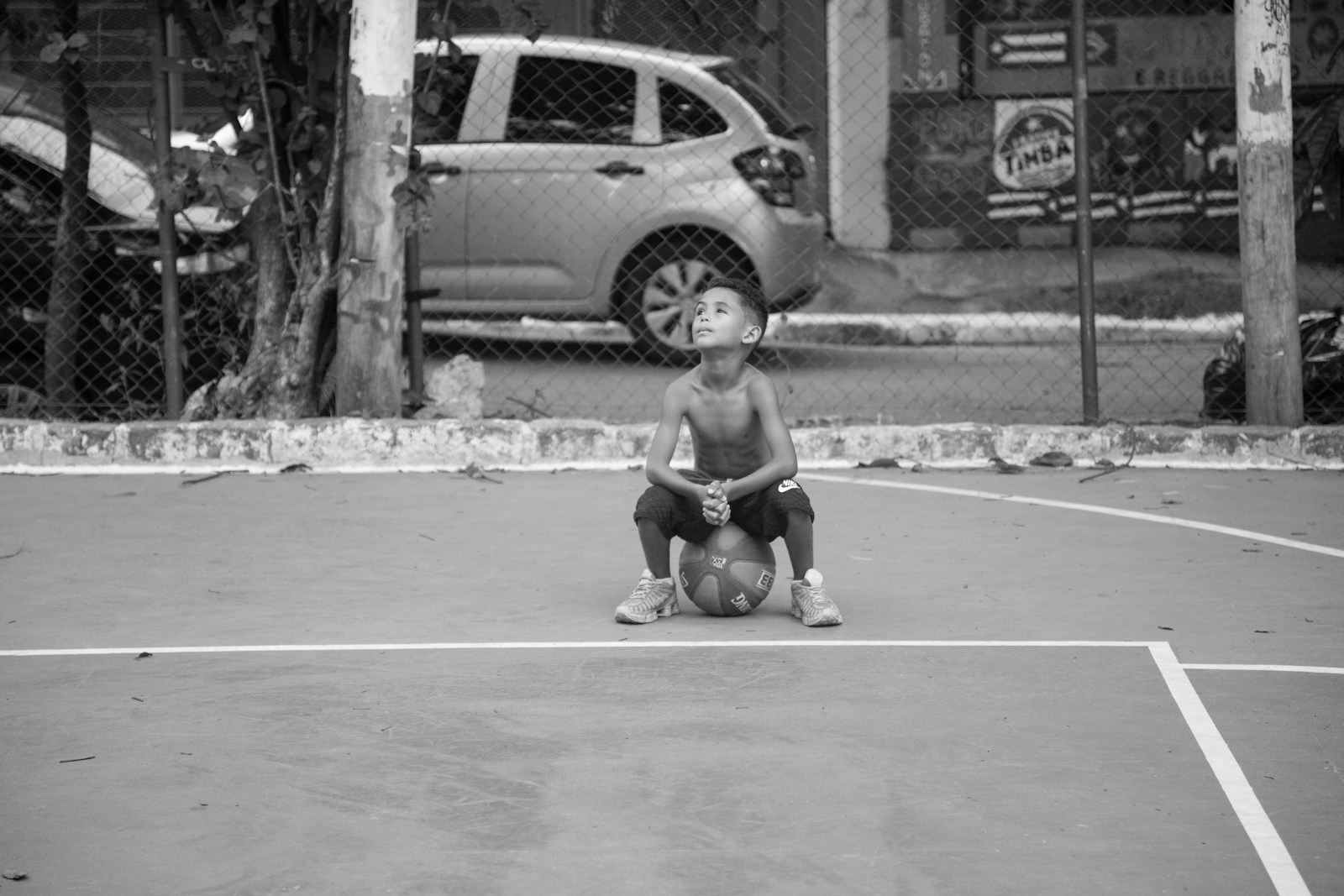

It started the way these neighborhood feuds usually start: small, annoying, and easy to shrug off if you’re the kind of person who hates confrontation. The guy had been parking his car in the same spot for months—curbside, legal, right out front of his place—because his driveway was already packed and the street parking was first-come, first-served.
Then the balls started hitting his car. Not once in a blue moon, either. It was the regular thump of a soccer ball smacking metal, the sharp ping of a basketball glancing off a side panel, the occasional hollow bounce that made him look up from his couch like, “Are you kidding me?”
At first he told himself it was just kids being kids. He’d hear the squeal of sneakers on pavement, a frantic “Heads up!” that came too late, and a brief pause while someone retrieved whatever had launched into his car. But after the third time he found fresh scuffs on the door and a new little chip on the paint, he stopped thinking of it as random and started thinking of it as a pattern.
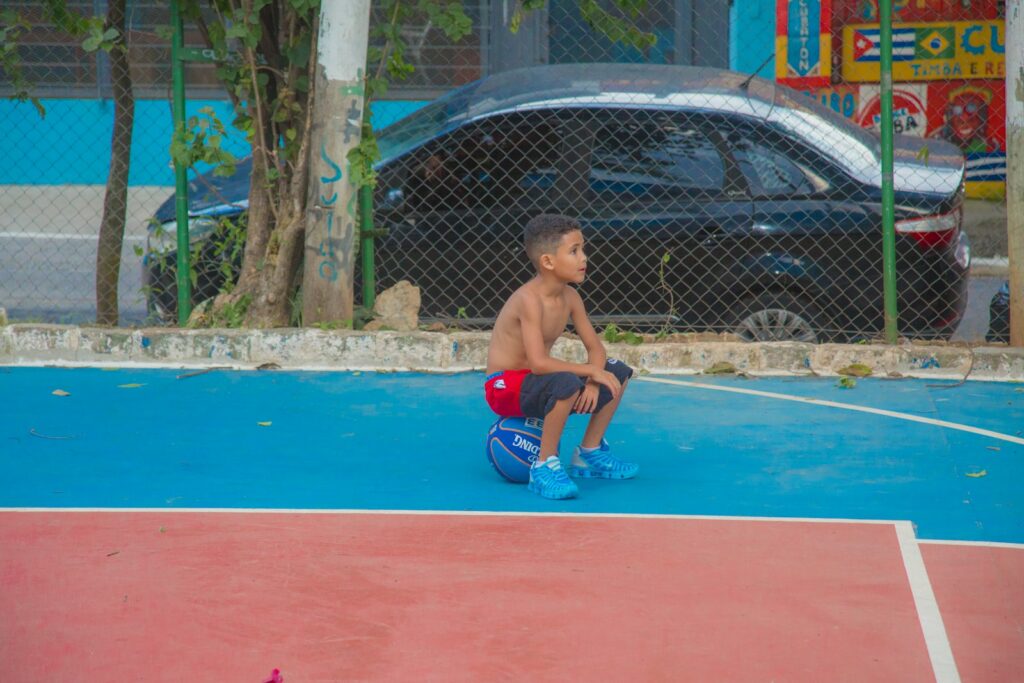
The spot that became “the field”
The layout of the street was part of what made it so aggravating. Across from where he parked was a house with a wide front yard that sloped down toward the curb, the kind of yard that practically begs kids to turn it into a soccer pitch or a driveway basketball court. The neighbor’s kids had basically claimed the whole stretch of curb and asphalt as their play zone, like the street was an extension of their property line.
And to be fair, it wasn’t like they were aiming for his car. The kids were just playing hard—kicking long passes, throwing wild shots, chasing rebounds that bounced wherever gravity felt like sending them. The issue was that “wherever” kept being his vehicle.
He tried the polite route first. The first time he caught it happening, he stepped outside and gave them a calm, “Hey, watch out for the car, please,” with the kind of tone you use when you want to be the reasonable adult. The kids nodded, did the whole “Sorry, sir,” thing, and went right back to launching projectiles like his car was part of the obstacle course.
After a week of this, he started timing it. Late afternoon: thump. Early evening: ping. Weekend mornings: full-on ball symphony. He began parking a little farther down the street when he could, but the problem was the same thing it always is with street parking—you don’t get to reserve a safe spot just because you’re trying to protect your paint job.
The first real confrontation
Eventually he did what most people do when a problem refuses to stay small: he went to the source. He waited until he saw the mom outside, the one who always seemed to be half-watching the kids while doing something else—phone in hand, arms folded, calling out warnings that didn’t carry much authority.
He approached like someone who genuinely wanted it handled without drama. He mentioned the balls hitting his car, the scuffs, the new chip, and how often it was happening. He wasn’t asking her to ban her kids from existing outdoors, he said; he just wanted them to be more careful or maybe keep the games a little farther from where cars were parked.
She didn’t apologize. She didn’t even really act surprised. She gave him a look like he’d walked up and complained about the sun being bright and said, in essence, that he shouldn’t park “where kids play.” Not said gently, either—more like a correction, as if he’d violated an unspoken rule everyone else understood.
That phrase hit him wrong because it turned the whole street into her kids’ territory. It wasn’t “Oh no, I’ll talk to them,” it was “This is on you for being in the way.” He tried to point out that it’s public street parking and he’s legally allowed to park there. She shrugged it off like legality had nothing to do with it, because in her mind the social rule—kids get priority—was the only one that mattered.
Damage you can’t unsee
After that conversation, the situation got more tense without anything overtly changing. He started noticing that the kids didn’t even pause as long when the ball hit his car. The quick embarrassed scramble turned into a casual jog, like retrieving the ball off his bumper was just part of the drill.
Then came the day he saw an actual dent. Not a huge one, not the kind you’d call your insurance over immediately, but enough that it caught the light wrong and made his stomach drop. It was the kind of dent that tells you an impact didn’t just graze the surface—it landed with weight.
He took photos like he was documenting a crime scene. Close-ups of the dent, the chipped paint, the scuff marks that were starting to look like a timeline of every “accident” that had happened. He found himself doing the math in his head: how much would a paint correction cost, what about a dent pull, is this worth fighting over, and why is he the one having to pay for other people’s carelessness?
And because he’s a normal person who doesn’t enjoy making enemies, he hesitated. He didn’t want to be the guy threatening kids over a ball. But he also couldn’t shake the feeling that if he did nothing, the message was basically, “Go ahead, keep using my car as a backboard.”
The awkward escalation nobody enjoys
He went back over to the mom, this time less friendly. He showed her the photos and told her plainly that the damage was adding up. He wasn’t asking for a big payout or a dramatic apology; he wanted her to actually take responsibility and stop it from happening again.
She doubled down. Same line, same energy: don’t park where kids play. She acted like the dent was an inevitable consequence of living near children, like buying a car in a neighborhood meant accepting it would get dinged up by other people’s hobbies. And the way she framed it made him feel like the unreasonable one for expecting basic respect for his property.
That’s when the conversation turned from “can we fix this” to “what are my options.” He mentioned contacting the landlord or homeowners’ association—whatever applied in his area—just to get someone else to tell her that the street wasn’t a private playground. He also floated the idea of filing a police report for property damage if it kept happening, not because he wanted to see kids punished, but because paper trails are how adults handle problems when people refuse to cooperate.
Her reaction wasn’t remorse; it was irritation. She didn’t like being threatened with official channels, and she made it clear she saw it as him trying to bully her family. The irony was thick: he was the one getting his car hit, but she was acting like the victim because he wouldn’t just quietly accept it.
The neighborhood cold war
After that, things got weird in the way neighborhood conflicts always get weird. He started feeling watched when he parked. If the kids were outside, he could sense the little shift in atmosphere—the way the game would pause when he got out of the car, the way the mom would suddenly be very busy with something on the porch.
He tried parking farther away when possible, but it wasn’t a real solution. Some days there wasn’t another spot. Some days it was raining, or he had groceries, or he was just exhausted and didn’t want to play musical chairs with curb space to avoid someone else’s lack of boundaries.
He also didn’t love the idea of putting up a camera, but he started thinking about it anyway. Not a dramatic surveillance setup—just something that would capture the street and show exactly how often the car was getting hit, in case he needed proof. The fact that he was even considering it made him feel like he’d been dragged into a conflict he never signed up for.
And through all of it, the kids kept playing. The balls kept flying. Some days he’d go a while without hearing that dreaded thump and he’d think, maybe the message finally got through. Then he’d hear it again—sharp, unmistakable—and he’d feel that flash of anger that comes when someone else keeps testing how much inconvenience you’ll tolerate.
By the end, nothing was neatly resolved, which is kind of what made the whole thing stick in people’s heads. He wasn’t trying to ban fun or turn the block into a sterile no-kid zone—he just wanted his car to stop getting treated like collateral damage. But his neighbor had decided the street belonged to her kids, and every new mark on his vehicle felt like proof that she didn’t plan on budging, no matter how many times he pointed out that “where kids play” isn’t a legal address.
More from Steel Horse Rides: