
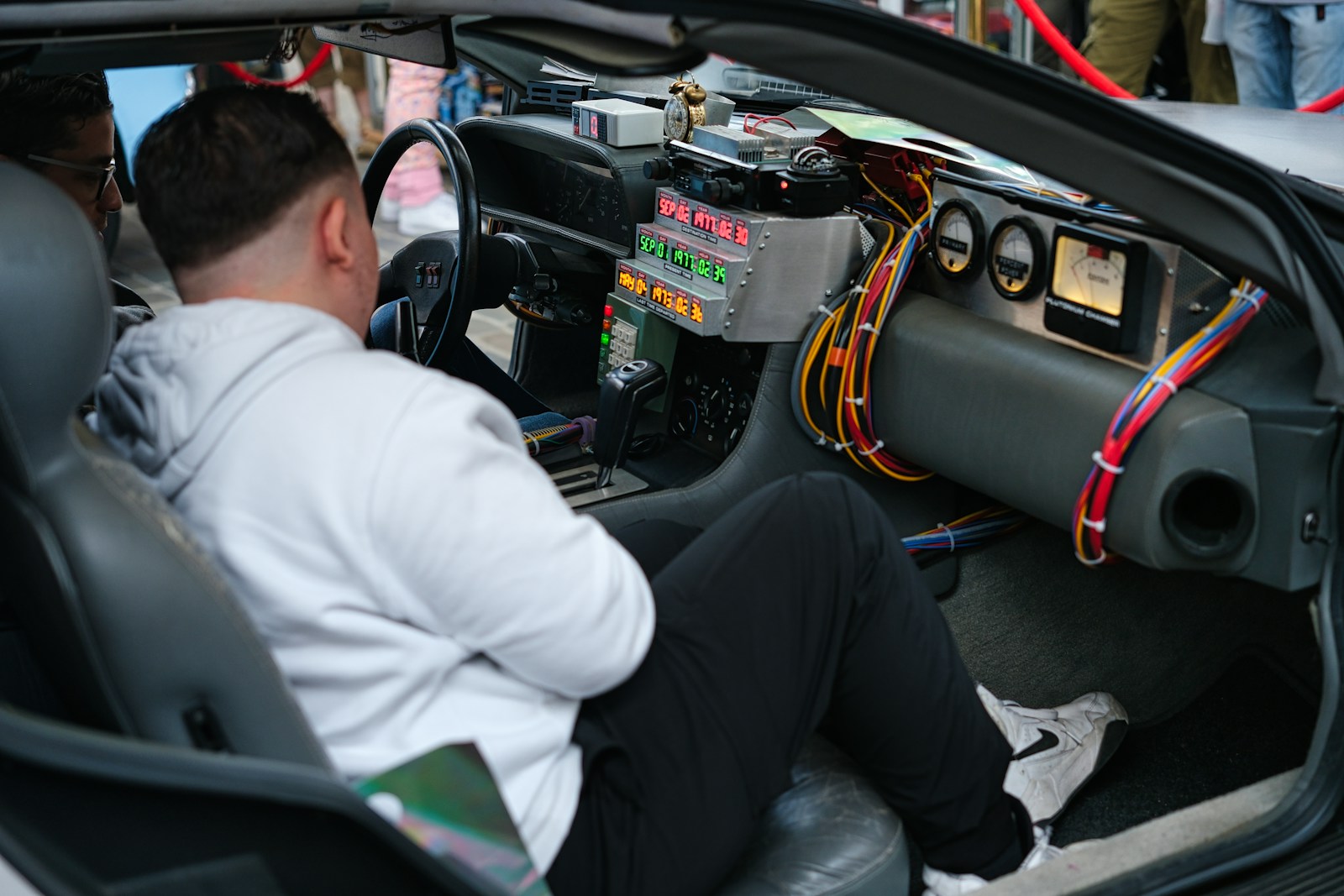

A father faces an unexpected challenge when his son proposes converting their cherished vintage car into an electric vehicle, sparking a conflict between honoring automotive heritage and embracing modern sustainability. The request has left the man wrestling with whether to preserve the original combustion engine that defines the classic’s character or support his son’s vision for a cleaner, more reliable future.
The debate reflects a growing trend among car enthusiasts who are transforming classic cars into all-electric vehicles while trying to maintain their vintage appeal. Some collectors view the conversion as sacrilege, arguing it strips away the soul of these mechanical masterpieces. Others see it as the only practical way to keep beloved classics on the road without guilt about emissions or constant mechanical failures.
The father’s predicament touches on deeper questions about what makes a vintage car valuable and whether converting gas-guzzling classics into battery-powered collectibles preserves or destroys their legacy. His decision will determine not just the fate of one vehicle but potentially shape how the next generation connects with automotive history.
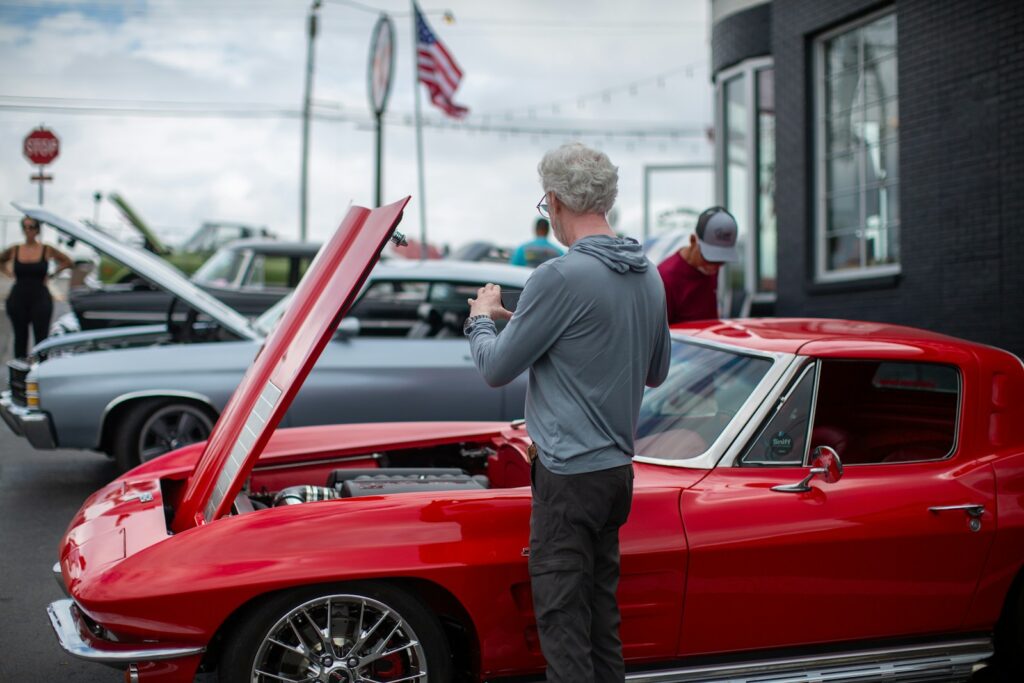
The Dilemma: Preserving Tradition Versus Embracing Electric Innovation
The tension between keeping a vintage car original and upgrading it with electric technology reflects broader questions about authenticity, environmental responsibility, and what makes a classic vehicle valuable. This father-son disagreement highlights how different generations view the same car through completely different lenses.
Why Convert a Vintage Car to Electric Power?
Electric classic cars offer practical benefits that appeal to younger enthusiasts who grew up with modern technology. EV conversions eliminate concerns about finding replacement parts for aging engines, reduce maintenance costs, and provide instant torque that can actually improve performance. Companies like Everrati and Kindred Motorworks have built businesses around classic car conversions, demonstrating market demand for electrified vintage vehicles.
The environmental argument carries weight too. Converting a classic car to electric power extends its usable life while reducing emissions, which matters to drivers concerned about their carbon footprint. Some conversion shops report that classic car conversion projects can maintain the vehicle’s exterior charm while delivering reliability that matches contemporary cars.
The son likely sees the conversion as a way to actually drive the car regularly rather than keeping it as a garage ornament. Modern electric drivetrains require less frequent service than carbureted engines and don’t leave oil spots on driveways.
Family Perspectives and Generational Views
The father views the vintage car through the lens of authenticity and heritage. For him, the original engine isn’t just a mechanical component but part of the car’s identity and history. He likely remembers the sound, the smell, and the driving experience that defined his relationship with the vehicle.
The son represents a generation more comfortable with technological change. He sees the car’s body and design as the essential elements worth preserving, while viewing the powertrain as replaceable technology. This generational divide over innovation mirrors broader cultural debates about what deserves preservation.
Neither perspective is objectively wrong. Classic car communities remain deeply split on EV conversions, with purists arguing that such modifications destroy historical value while modernists contend they ensure survival. Some vintage car shows now accept electric conversions while others explicitly ban them from competition categories.
Balancing Emotional Value with Modern Upgrades
The emotional attachment to a vintage car often exceeds its monetary worth. The father’s hesitation likely stems from memories associated with the vehicle in its original form, whether he restored it himself or inherited it from someone meaningful. That rumbling engine represents more than transportation.
Yet balancing tradition with innovation doesn’t require choosing one extreme. Some conversion shops offer reversible modifications that preserve original components, allowing future owners to restore the car to factory specifications. This compromise acknowledges both the desire to drive the car regularly and respect for its heritage.
The decision ultimately depends on the car’s rarity and condition. A common Mini might be a reasonable candidate for conversion since thousands of originals still exist. A rare, numbers-matching collector’s piece faces different considerations. The family needs honest conversation about whether the car will actually get driven if left original, or if it’ll sit unused while depreciating from neglect.
What It Takes to Convert a Vintage Car: Process, Benefits, and Hurdles
Converting a classic car to electric power involves replacing the combustion engine with electric motors and battery packs, a transformation that requires significant technical work and financial investment. The process brings performance improvements like instant torque but also presents challenges around cost and driving range.
Key Components: Electric Motors, Battery Packs, and Electric Powertrains
The heart of any electric classic car conversion centers on three main elements. An electric motor replaces the traditional engine, typically producing between 100 to 300 horsepower depending on the build. These motors weigh considerably less than their gas-powered counterparts.
The battery pack serves as the vehicle’s fuel tank, usually consisting of lithium-ion cells. Most conversions use batteries ranging from 20 to 80 kilowatt-hours, which determines how far the car can travel. These packs often get mounted in the trunk, under the rear seat, or where the original gas tank sat.
The electric powertrain connects everything together, including the motor controller, charging system, and battery management system. Some conversions retain the original transmission, while others eliminate it entirely since electric motors deliver power differently than combustion engines. The gear selector might stay in place for aesthetic purposes, even when the mechanical transmission gets removed.
Step-by-Step EV Conversion Process
The classic car conversion starts with removing the engine, fuel tank, exhaust system, and radiator. Mechanics strip out everything related to the combustion powertrain, creating space for new electric components.
Next comes fitting the electric motor, which typically bolts to the existing transmission housing or connects directly to the driveshaft. The battery pack installation requires custom mounting brackets and careful weight distribution planning. Proper placement affects the car’s handling and balance.
Wiring represents one of the most complex steps. Technicians must connect the motor controller, battery management system, charging port, and retained dashboard gauges. Many conversions keep original instruments but add new displays for battery charge and power consumption.
Final steps include programming the motor controller, testing all systems, and conducting safety checks. The entire EV conversion process typically takes skilled professionals three to six months for a complete build.
Performance, Instant Torque, and the Driving Experience
Electric motors deliver instant torque from zero RPM, fundamentally changing how a vintage car accelerates. A converted classic can launch harder than it ever did with its original engine, sometimes catching owners off guard with the immediate response.
The driving experience shifts dramatically. There’s no clutch pedal in most conversions, no engine noise, and no vibration. Some enthusiasts love the silent, smooth power delivery, while others miss the rumble and feel of a combustion engine. The car feels lighter and more responsive due to the motor’s instant power availability.
Regenerative braking adds another new element. When the driver lifts off the accelerator, the motor acts as a generator, slowing the car while recovering energy back to the battery pack. This changes driving rhythm and can extend brake life significantly.
Common Challenges: Range Anxiety, Cost, and Technical Barriers
Range anxiety hits classic car owners harder than modern EV drivers. Most conversions achieve only 80 to 150 miles per charge due to space limitations for batteries and aerodynamic inefficiency. Vintage cars weren’t designed with wind resistance in mind, which drains batteries faster than contemporary EVs.
Cost presents the biggest barrier. Professional conversions run between $20,000 to $100,000 depending on components and labor. Battery packs alone can cost $8,000 to $20,000. DIY projects reduce expenses but require extensive electrical and mechanical knowledge.
Technical barriers include finding shops with conversion experience, sourcing compatible components, and meeting local vehicle regulations. Some states require extensive inspections before registering converted vehicles. Parts availability for vintage cars already poses challenges, and adding electric components creates another layer of complexity for future maintenance.
More from Steel Horse Rides: