
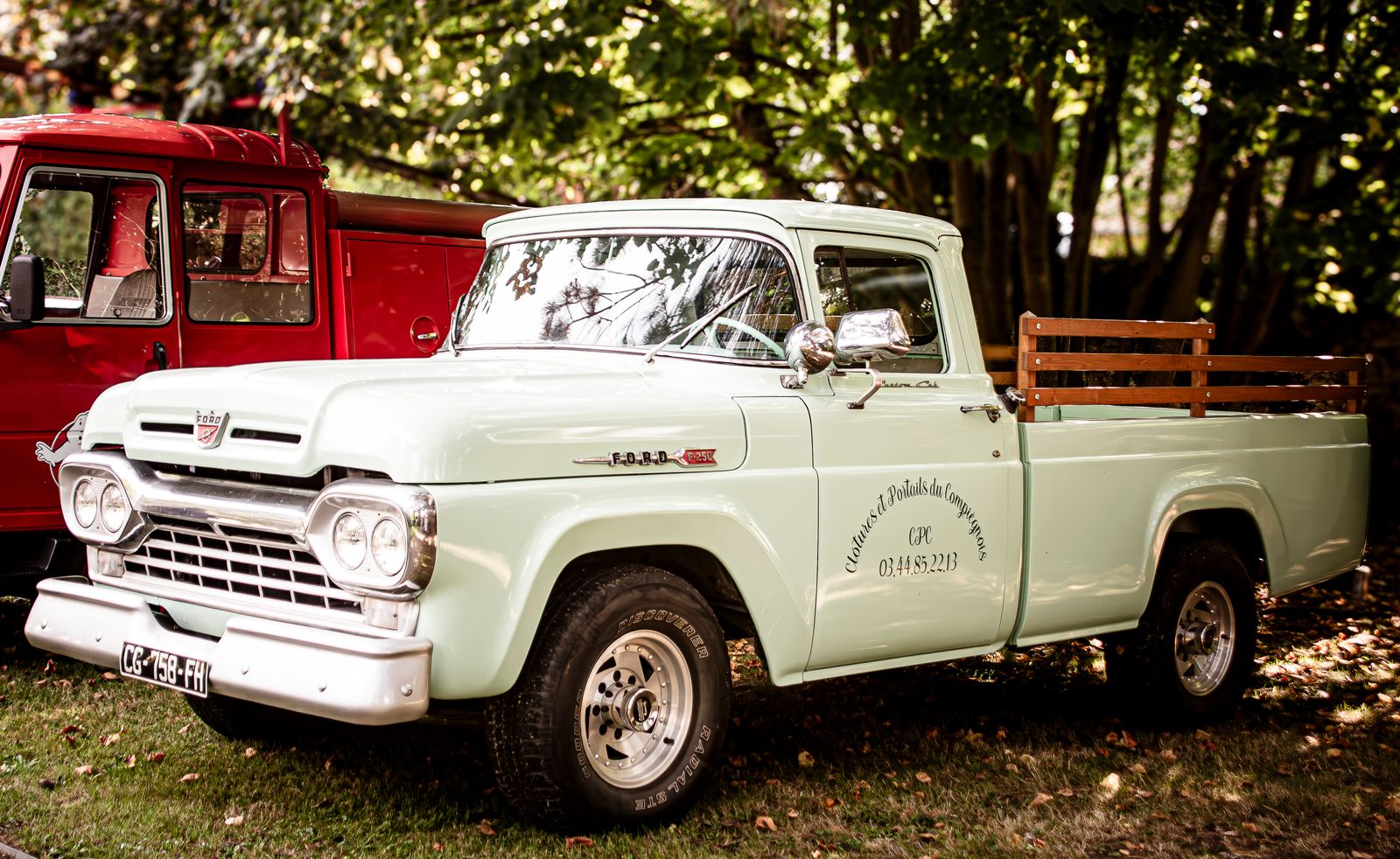

It started with a truck that everyone in the family treated like a piece of furniture. Parked under a sagging carport, half-buried in pine needles, it had been sitting so long the tires looked like they were melting into the dirt. Their dad had always said he’d “get it running again,” the same way people say they’ll frame that poster or fix that cabinet door—more comfort than plan.
After the funeral, the siblings did what families do when grief turns into logistics: they picked through closets, argued about tools, tried to be polite while quietly keeping score. The older brother, Mark, ended up being the one who handled most of the cleanup because he lived closest and had the key. His sister, Elena, lived two states away and kept asking for updates, but the conversations were choppy—half about memories, half about what was being tossed.
That’s how Mark convinced himself the truck was his problem to solve. It wasn’t running, it was taking up space, and he had bills that didn’t pause for mourning. So when a guy from a local “Cash for Cars” place offered him a few thousand and a tow within 24 hours, Mark told himself he was being practical—and that nobody would miss a dead truck that hadn’t moved in years.

The quiet assumptions that set the trap
Mark didn’t wake up and think, Time to steal from my sister. In his head, the truck was basically junk, and he was the one doing the work: clearing the garage, sorting the paperwork, dealing with the neighbors stopping by to “pay respects” while peeking at what might be up for grabs. When Elena asked about the truck, he gave a breezy answer—something like, “It’s still there, hasn’t changed,” which wasn’t exactly a lie at the time.
He also had a story he’d been repeating since before their dad died: “Dad always said I could have the truck.” It was one of those family phrases that floats around without ever getting written down, like a verbal sticky note. Mark remembered hearing it, maybe on a fishing trip, maybe while they were hauling lumber—he couldn’t pin the moment, only the feeling that it had been settled.
Elena, meanwhile, had her own mental inventory of what mattered. She didn’t care about most of the household stuff—she told Mark to donate the clothes, sell the furniture, keep whatever tools he wanted. But the truck was different. It was the thing she remembered riding in as a kid, legs sticking to the vinyl seats in summer, their dad’s hand draped over the steering wheel like he owned the road.
The sale that happened fast on purpose
The buyer didn’t show up like a movie villain twirling keys; he showed up like a guy with a clipboard and a schedule. Mark met him in the driveway, signed a couple of forms, and watched the tow truck winch the old pickup up like a reluctant animal. The whole exchange took maybe fifteen minutes, which is part of why Mark liked it—no time for second thoughts.
He got paid in cash. That detail matters because it made him feel like he’d solved something immediately: groceries, the overdue electric bill, the funeral expenses he’d covered on a credit card because the life insurance paperwork was still “processing.” Mark tucked the envelope away and texted Elena later that day with a quick update about clearing the yard. He didn’t mention the truck.
For about a week, it worked. The house looked less like a shrine and more like a property that could be sold. Mark felt efficient, even proud, like he’d protected everyone from the stress of dragging things out. The only thing he didn’t do was check the will again, because he was pretty sure he already knew what it said.
Elena’s discovery and the one line that changed everything
Elena came into town on a Friday, flying in with a rolling suitcase and that tight, controlled energy people get when they’ve been swallowing emotions for months. She wanted to walk through the house one more time before the realtor pictures, and Mark—trying to be helpful—offered to meet her there. They did the slow, quiet tour: the living room where the recliner still had the dent of their dad’s body, the kitchen where the coffee maker sat unplugged like it was waiting.
Then Elena stepped outside and paused under the carport. The empty patch of dirt where the truck had been was so obvious it almost looked staged. She didn’t ask politely; she just turned and said, “Where’s Dad’s truck?”
Mark tried to keep it casual. He said he sold it, that it wasn’t running, that it was taking up space, that he needed cash to cover expenses, and that it was “basically worthless” anyway. Elena’s face changed in a way Mark didn’t expect—not grief, not nostalgia, but the sharp look of someone realizing they’ve been lied to.
She told him, very flatly, that the truck wasn’t his to sell. Their dad had updated his will the previous year, and the truck was specifically listed as Elena’s inheritance. Not “the vehicles,” not “personal property,” but the truck—VIN included, like their dad had anticipated this exact fight.
The police report wasn’t a threat; it was already done
Mark’s first instinct was to argue on technicalities. He said he didn’t know, that she never sent him the paperwork, that he was handling everything and she was just showing up at the end. Elena didn’t take the bait. She pulled out her phone and, with a kind of exhausted precision, told him she’d already filed a police report that morning after checking with the executor and confirming the truck was legally hers.
That’s when Mark realized the conversation wasn’t family drama anymore; it was a legal situation with forms and timestamps. Elena wasn’t waving consequences around for leverage—she’d already stepped into the system. Mark stood there on the driveway with his hands in his pockets, staring at the empty spot, doing the math on what “stolen vehicle” might mean when the thief is the grieving son with the house key.
He asked her why she didn’t just call him first. Elena said she had called him—multiple times—about “going through Dad’s things,” about “making sure the will is followed,” about “not getting rid of anything important.” And every time, Mark had brushed her off like she was being dramatic. The police report, in her mind, was what you do when someone refuses to take you seriously.
Mark tried to fix it with money, which is what people do when they can’t undo an action. He offered to give her the cash he got for the truck, and Elena looked almost insulted by the idea. She didn’t want his crumpled envelope; she wanted what their dad had left her on purpose, the one item he’d singled out like a message.
Now everyone’s choosing a side, and the truck is the least of it
The next few days turned into a messy relay of phone calls. Mark called the towing company, who told him the truck had already been moved along and might have been sold for parts. He called the buyer, who suddenly got formal and refused to talk without “documentation.” He called the executor, hoping for a loophole, and got a lecture about reading paperwork before selling assets.
Elena wasn’t just angry; she was locked in. She forwarded Mark screenshots of the will section like she was building a case file, and she kept her communication short and clean. That coldness hit Mark harder than yelling would’ve, because it sounded like she’d already decided who he was in this story.
Other family members began circling, not to help but to interpret. An aunt told Mark he “should’ve known better” and then asked what else had been sold. A cousin texted Elena that filing a police report was “too far,” then privately asked Mark whether the house was going on the market soon. The whole thing exposed something ugly: grief had barely been processed, but everyone was already negotiating what their dad meant to them in dollars and deeds.
Mark kept insisting he’d made an honest mistake, that he’d been overwhelmed, that he never meant to screw his sister over. Elena kept returning to the same point: it didn’t matter what he meant. The truck had her name on it, and he sold it quickly, quietly, and in cash, like he knew he shouldn’t be doing it.
By the time lawyers started getting mentioned, the truck itself felt almost symbolic—less a vehicle than a line in the sand. Mark couldn’t stop thinking about how easy it had been to watch it get hauled away, and Elena couldn’t stop thinking about how easily he’d decided she wouldn’t notice. The last anyone heard, the report was still active, the buyer was “reviewing options,” and the siblings were speaking through the executor more than to each other, stuck in that raw, miserable space where a dead man’s old truck managed to say everything they hadn’t.
More from Steel Horse Rides: