


Timing chains were sold to a whole generation of car buyers as the maintenance-free alternative to the timing belt, a part that would supposedly outlast the engine around it with no attention required. That promise is cracking. Chains stretch, guides made of plastic snap, and tensioners lose their grip years before anyone expected, and when they fail on a specific run of popular engines the bill lands in the same range as a belt job’s worst-case scenario, or worse. According to RepairPal’s national cost data, a full timing chain replacement averages $2,120 to $2,764, split roughly $1,334 to $1,957 in labor and $786 to $807 in parts. Compare that to a routine timing belt swap, which RepairPal prices at just $918 to $1,338, and the “maintenance-free” pitch starts to look like the more expensive bet.
The Math Nobody Puts in the Brochure
Timing belts have always come with an asterisk: replace it on schedule, typically every 60,000 to 100,000 miles, or risk catastrophic engine damage if it snaps. That scheduled cost is the tradeoff owners knowingly accept. Chains were marketed as skipping that tradeoff entirely, lasting the life of the engine with zero scheduled service. RepairPal’s data shows just how wide the gap in expectations versus reality can get. A Toyota Corolla belt job runs a modest $452 to $766, while a Ford F-150 belt replacement climbs to $2,272 to $3,270, on par with a full chain job on a completely different vehicle. The point isn’t that one part is inherently cheaper. It’s that “no maintenance required” was never actually true for chains, it just meant the bill got deferred and often inflated by the time it arrived.
Where Chain Failures Are Landing Hardest
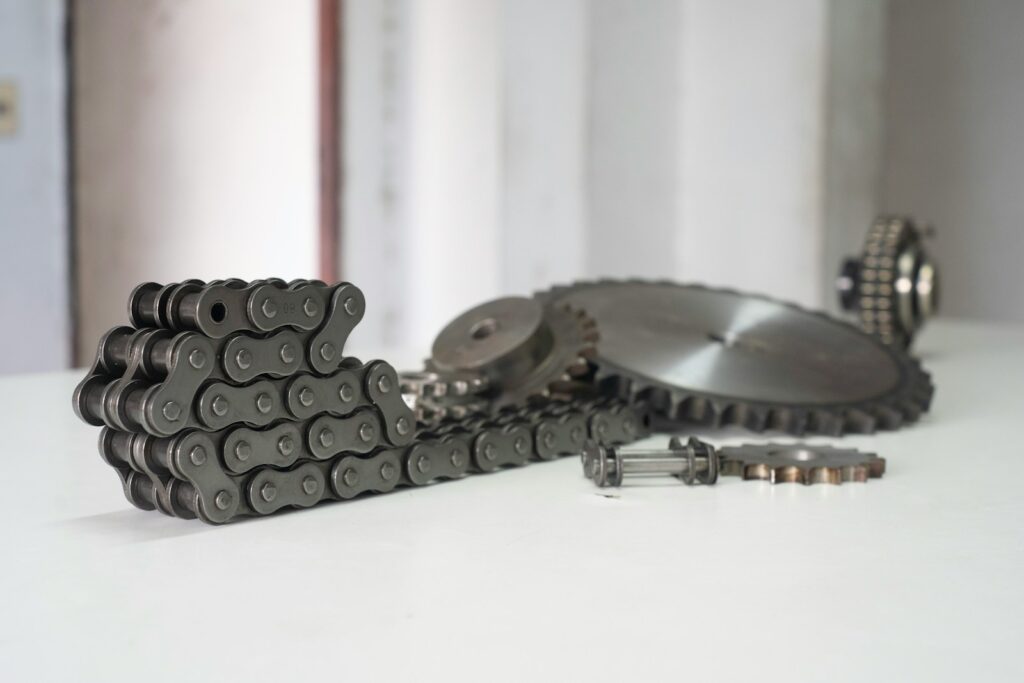
The isolated component that fails first is rarely the chain itself. It’s the tensioner, the small hydraulic or spring-loaded piece that keeps the chain taut, and the plastic guides that keep it tracking correctly. When those wear out early, the chain develops slack, starts slapping against the timing cover, and can eventually skip teeth on the sprocket, throwing valve timing off entirely. RepairPal pricing for a Toyota Camry tensioner replacement alone runs $1,187 to $1,661, a job that exists precisely because the tensioner didn’t last as long as advertised. On larger engines the exposure only grows. A full timing chain and gear set on a Chevrolet Traverse prices out at $2,751 to $3,589, a bill that arrives with essentially no warning beyond a faint rattle at cold start that plenty of owners write off as normal engine noise until it isn’t.
Reading the Symptoms Before the Bill Arrives
A rattling or ticking noise from the front of the engine, especially pronounced on a cold start and fading as oil pressure builds, is the single most common early warning sign of chain stretch or tensioner wear. A check engine light tied to camshaft or crankshaft position codes is another, since those sensors are the first to notice when the chain’s timing has drifted from spec. Rough idle and misfires that come and go can also trace back to a chain that has stretched just enough to nudge valve timing off. None of these symptoms guarantee a five-figure repair, but ignoring them turns a tensioner replacement into a full chain-and-guide job, and in the worst outcomes, into bent valves from a jumped tooth. That’s the real cost of the maintenance-free pitch: owners were never told what to listen for, because they were told there was nothing to listen for.
What This Means for Buying and Owning
None of this makes belt-driven engines categorically safer bets, and it doesn’t mean every chain-driven engine is a ticking time bomb. Plenty of chains genuinely do last 200,000 miles without issue. What the repair cost data actually supports is a narrower, more useful warning: the “set it and forget it” framing around timing chains has created a blind spot, one where owners skip the used-car inspection question they’d never skip on a belt car (“when was it last done?”) because they assume the answer is “never, and that’s fine.” A cold-start rattle test during a pre-purchase inspection costs nothing and takes thirty seconds. Given that a tensioner job alone can run past $1,600 and a full chain replacement can crest $3,500 depending on the platform, that thirty seconds of listening is the cheapest insurance in the entire ownership experience, chain or belt.