

Maserati sold 26,600 cars worldwide in 2023. In 2024, that number fell to 11,300. By 2025, it had fallen again to just 7,900 — a decline of more than 70 percent in two years. Over that same stretch, Consumer Reports couldn’t even generate a reliability score for the brand’s newest model, the Grecale, because Maserati doesn’t sell enough cars in the U.S. to produce a statistically meaningful sample. A brand can’t out-design its way past a sales collapse that steep, and the data suggests reliability is a real part of why buyers are walking away.
What Consumer Reports Actually Found — and Didn’t Find
Maserati’s reliability problem shows up in the data as much through absence as through a bad score. Consumer Reports predicts that “we expect the 2025 Grecale to be less reliable than other new cars,” explicitly basing that forecast on Maserati’s brand history rather than fresh model-specific testing, because the organization’s own methodology requires “data for at least two models, from a minimum of two of the 2023, 2024, 2025, or early 2026 model years” before it will publish a full brand reliability score. Maserati didn’t meet that bar. It landed on a short list of excluded brands — alongside Alfa Romeo, Dodge, Lucid, and Polestar — that Consumer Reports names explicitly in its broader reliability rankings report. Being too low-volume to rank is its own kind of data point: it means too few owners are buying and reporting on these cars for the numbers to add up.

The Sales Collapse, Year by Year
The volume numbers tell a story that’s hard to separate from reputation. Maserati’s global sales fell from 26,600 units in 2023 to 11,300 in 2024, then to 7,900 in 2025 — a two-year drop of roughly 70 percent, according to figures compiled from the brand’s reported annual results. Some of that decline traces to well-documented turmoil at parent company Stellantis, including production and supply disruptions serious enough that they contributed to the resignation of Stellantis CEO Carlos Tavares in 2024. But corporate turmoil alone doesn’t fully explain why a brand would struggle to convert interested shoppers into buyers once cars were actually available — and a persistent reliability reputation, reinforced by Consumer Reports’ own prediction, is exactly the kind of factor that erodes repeat purchases and referral sales even after supply problems ease.
The Design Praise That Isn’t in Dispute
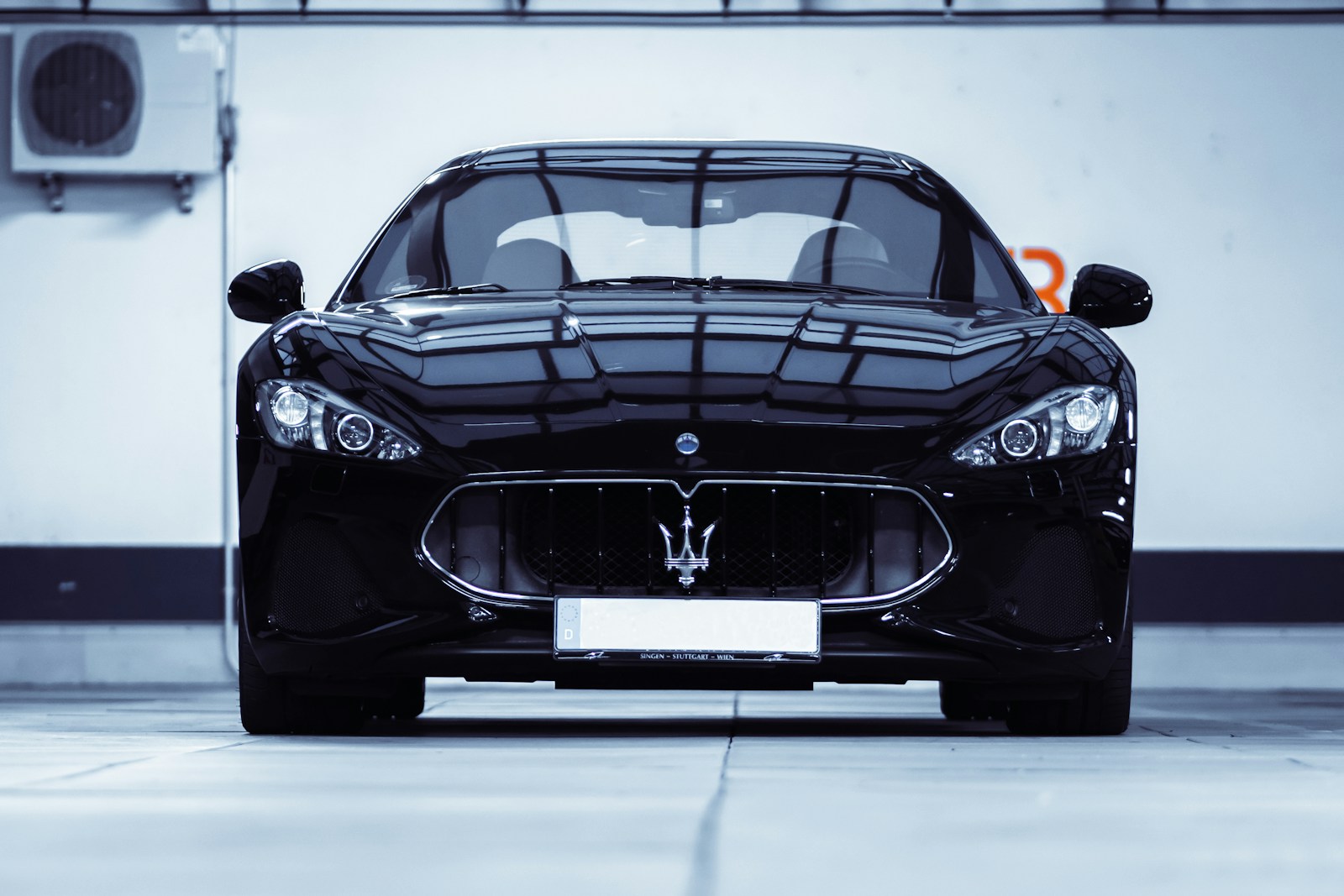
None of this reflects badly on what Maserati’s designers have actually produced. The GranTurismo, the MC20, and the Grecale are routinely treated in automotive coverage as some of the best-styled cars in their respective segments, drawing on a design heritage that runs through decades of Pininfarina and in-house Maserati work. That praise isn’t the part of the story that’s contested — it’s the gap between how a Maserati looks in a showroom and how it performs three years into ownership that keeps showing up in the data, and it’s that gap, not the styling, that appears to be driving the sales numbers down.
Independent Data Points the Same Direction
Consumer Reports isn’t the only measure suggesting a real ownership gap. Independent research from iSeeCars, which tracks used-vehicle reliability across large-scale listing and repair data, has placed the Maserati Quattroporte near the bottom of its luxury large car rankings — 18th out of 24 models tracked in the segment. That’s a separate methodology, built from a different dataset than Consumer Reports’ owner-survey model, arriving at a similar conclusion: whatever is happening with Maserati’s dependability, it shows up consistently across more than one way of measuring it.
Why Low Volume Makes the Problem Worse
There’s a feedback loop working against Maserati that a larger-volume brand wouldn’t face. When a mainstream manufacturer sells enough cars, even a real reliability issue gets diluted across a big enough sample that dealers and independent shops build up experience fixing it efficiently, and that experience keeps ownership costs from spiraling. Maserati’s shrinking sales numbers work in the opposite direction — fewer cars on the road means fewer technicians who specialize in them, longer waits for specific parts, and a smaller peer group of owners to compare notes with when something goes wrong. The reliability reputation and the sales decline aren’t two separate problems sitting next to each other; each one actively makes the other worse.
What the Numbers Actually Show
Maserati’s real problem was never a question of whether its cars turn heads — it’s that turning heads and getting owners to a pain-free third year of ownership have become two entirely different achievements, and only one of them shows up in a sales chart.