

He brought the car in for something boring: an oil change and a quick once-over before a weekend trip. It was a clean little sedan, freshly washed, tires shined up like the seller had just stepped away from it, and the buyer was still in that post-purchase glow where every new rattle feels like “character” instead of “uh-oh.” He kept repeating the same reassurance, half to the mechanic and half to himself: the seller swore it had never been wrecked.
The mechanic didn’t argue. He’d heard “never been wrecked” in every possible tone—proud, defensive, nervous, aggressive, and outright rehearsed. He just nodded, wrote the mileage on the clipboard, and drove it into the bay like it was any other Tuesday.
What made this one different was how quickly the little details started not adding up. The car wasn’t falling apart, but it had that subtle “put back together” vibe: a bumper that sat a hair too tight on one side, a headlight that looked a shade newer than the other, paint that matched unless you stared at it under the fluorescent shop lights. Nothing screamed disaster, but enough to make the mechanic slow down and start actually looking.
The “Quick Look” That Turned Into a Long One
He popped the hood, checked fluids, and did the usual scan of belts and hoses. Then he noticed one fender bolt had tool marks that didn’t match the rest—fresh scratches, like someone had leaned a wrench on it hard. That’s not a crime by itself; plenty of cars have had fenders swapped after a parking lot kiss.
But when he walked around to the front and looked at the gaps between the hood and the fenders, one side was just slightly off. Not huge, not “this thing’s been folded in half,” just the kind of off that makes a body guy’s eye twitch. He stuck his head in the wheel well, saw plastic clips that didn’t match, and did that mechanic thing where they go quiet because their brain is arranging puzzle pieces.
He moved to the interior, partly out of curiosity and partly because the buyer had mentioned the airbag light flickered once on the drive home. The dash wasn’t lit now, which was either good news or the kind of news you don’t want. The mechanic asked the buyer, casually, if the seller had said anything about a replaced windshield, steering wheel, or dash work.
The buyer shook his head and laughed like the question was ridiculous. “Dude was adamant,” he said. “Never wrecked, never hit, clean title, old lady drove it, all that.” He said it the way people say a spell they hope still works.
The Dashboard That Didn’t Feel Right
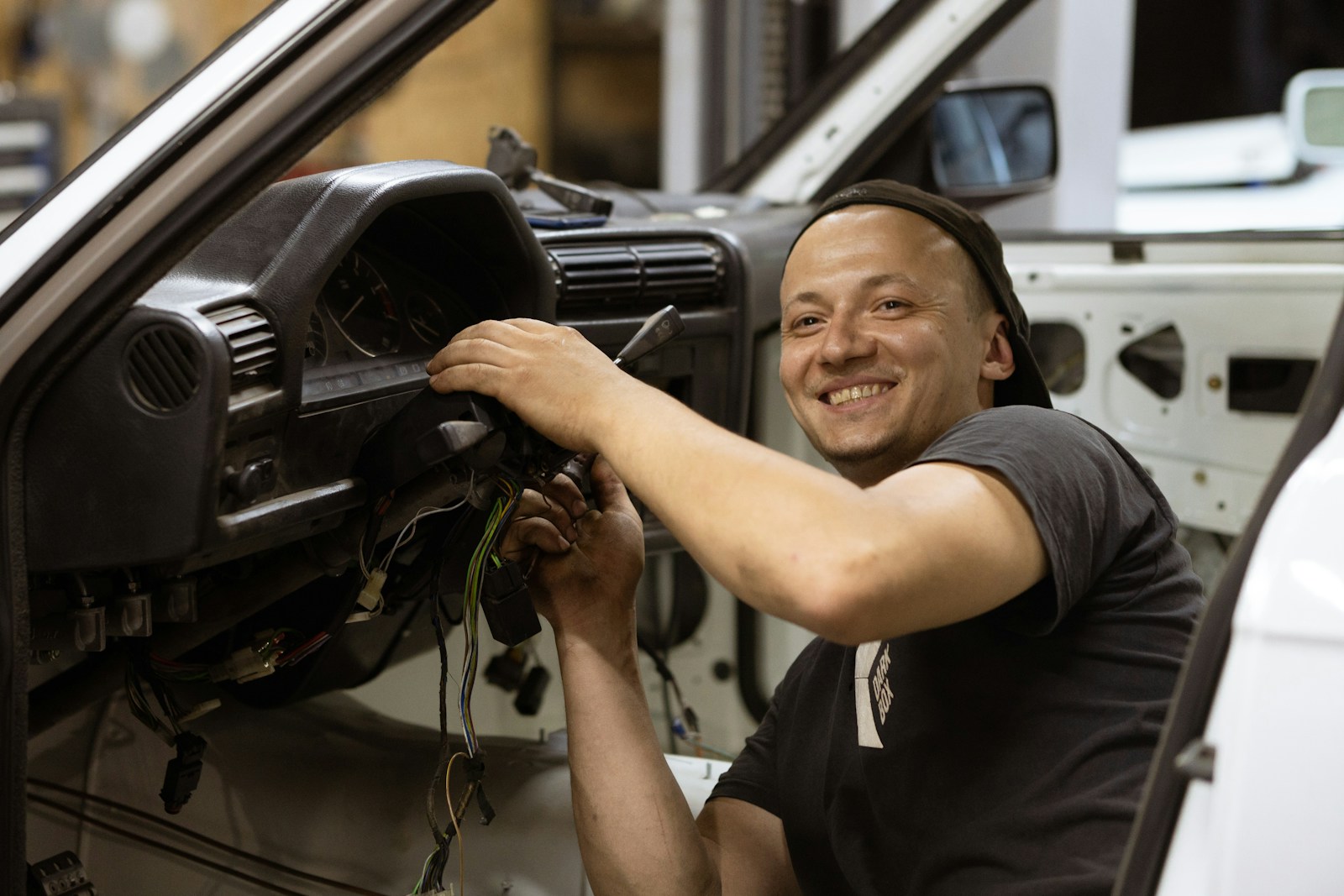
When the mechanic got closer to the steering wheel, the first thing that bugged him was the texture. Most factory wheels have a consistent grain, and this one looked… slightly too new, like a replacement part that had been handled carefully. The emblem in the center sat a touch crooked, the kind of detail regular owners don’t notice but a tech sees right away because it’s where the airbag module lives.
He didn’t rip into it immediately. He plugged in a scan tool, looked for stored codes, and watched the systems cycle. The airbag module was talking, but it was talking like someone had told it what to say. The codes weren’t dramatic, just a few history entries that didn’t make sense for a “never been touched” car.
At this point, the mechanic did what experienced people do when they smell trouble: he called the buyer over before going any further. Not to scare him, just to create a witness and to make sure nobody could accuse the shop of “breaking something.” The buyer walked into the bay with that half-smile people wear when they expect good news and a quick bill.
The mechanic pointed at the steering wheel and asked if the buyer had noticed anything odd—horn feel, buttons, anything. The buyer shrugged, a little annoyed now, like the car was being unfairly judged. “It drives fine,” he said, and then he added, “I just want it checked. Seller promised.”
The Missing Airbag Reveal
The mechanic explained he wanted to verify the airbag system was intact, because the warning light flicker wasn’t something to ignore. He wasn’t dramatic about it; he said it the way you’d say “let’s check the brakes” if a pedal felt soft. Then he pulled the battery cable and waited, because even people who’ve been doing this for years don’t treat airbags casually.
When he pulled the steering wheel cover, it didn’t pop like a factory piece. It came off like something that had been removed and reinstalled by someone in a hurry, with clips that weren’t seated perfectly. The buyer leaned in, and for a second it was just two guys looking at exposed wiring and plastic, trying to see meaning in it.
Then the mechanic stopped moving and just stared. The space where the airbag inflator and folded bag should’ve been was… wrong. There was wiring, there were connectors, but the module itself wasn’t there the way it should’ve been. It looked like someone had put the cover back on to make the steering wheel look complete, but left the life-saving part out entirely.
The mechanic didn’t say “holy crap” out loud, but his face did. He asked the buyer to step back and take a look for himself. The buyer’s expression shifted fast—from confusion to suspicion to that sick, silent calculation people do when they realize they might’ve been played.
“So… it’s missing?” the buyer finally said, like he needed the mechanic to confirm the words so they could be real. The mechanic nodded and told him straight: the car might look fine, but this wasn’t a cosmetic issue. If the car got into a crash, that steering wheel would be a hard, unforgiving joke.
The Phone Call That Got Ugly Fast
The buyer stepped outside the bay and called the seller on speaker, pacing near the parking lot like he needed movement to keep from boiling over. At first, he tried to be polite. He said the mechanic found “something” and asked if the seller had ever replaced the steering wheel or had airbag work done.
The seller’s voice came through in that instantly defensive way some people have when they know where a conversation is headed. He repeated the promise: never wrecked. He said maybe the mechanic was trying to upsell. He said airbags don’t just “go missing,” like that was proof the buyer was making it up.
So the buyer got more specific. He said the steering wheel airbag wasn’t there. He said it looked like it had been removed and the cover put back on. There was a pause—long enough that you could feel the mechanic standing in the bay, listening without trying to listen, because a car on a lift makes everyone involved suddenly part of the same story.
The seller came back with anger instead of denial. He asked if the buyer had taken it apart himself. He started talking about “tampering” and how the buyer was trying to shake him down. The buyer’s voice cracked, not with tears, but with that shocked rage people get when they realize someone is willing to gamble with their safety and then act offended about it.
The mechanic watched the buyer’s knuckles go white around the phone. He didn’t interrupt, but he did step in at one point to say, calm and clear, that the shop had documented what they found and that the car shouldn’t be driven until the restraint system was properly inspected. That was enough to send the seller into a new lane: the seller suddenly wanted everything in writing, wanted names, wanted to know if the buyer had called the police yet.
The Paperwork Trap and the Quiet Panic
After the call ended with no resolution, the buyer’s confidence drained out of him in real time. He started flipping through his purchase paperwork in the waiting area, the way people do when they’re hoping there’s a magic sentence that fixes everything. The title was clean, the bill of sale was basic, and the seller’s “never wrecked” promise was, of course, verbal.
The mechanic pulled up what he could: basic vehicle history, prior service entries, and any signs of collision repair. None of it was a smoking gun, which is the frustrating part about this kind of mess. A car can get hit, patched up, and sold without ever tripping the kinds of reports buyers rely on, especially if the work was done off the books.
They started noticing more little oddities once the airbag issue reframed everything. The dash trim had tiny pry marks. The passenger side panel didn’t sit flush. The seat belt pretensioner label looked newer than it should’ve been. It was the kind of “small stuff” that becomes loud once you know someone’s been in there hiding something.
The buyer kept asking the same question in different forms: “How does this even happen?” The mechanic didn’t speculate wildly, but he didn’t sugarcoat it either. Sometimes airbags are stolen after a crash because they’re expensive. Sometimes a car is repaired cheaply and dangerously. Sometimes someone swaps in a steering wheel from a junkyard and doesn’t bother making the restraint system right, because the goal is to sell the car, not protect the next person.
By the end of the day, the buyer wasn’t talking about his weekend trip anymore. He was talking about towing, about returning the car, about small claims, about whether he’d be taken seriously if he reported it. The mechanic printed what he could, took photos, and told him to keep everything—texts, listings, the seller’s messages—because vague promises don’t help unless you can prove someone made them.
And the part that stuck with everyone wasn’t even the missing airbag itself, as horrifying as that was. It was the seller’s immediate pivot from “this car is safe” to “you’re accusing me,” like being called out was the real injury. The buyer left with a car he didn’t trust, a story he couldn’t un-know, and that awful new awareness that “never been wrecked” can be less a fact than a sales tactic—one that only collapses when someone finally bothers to look under the cover.