
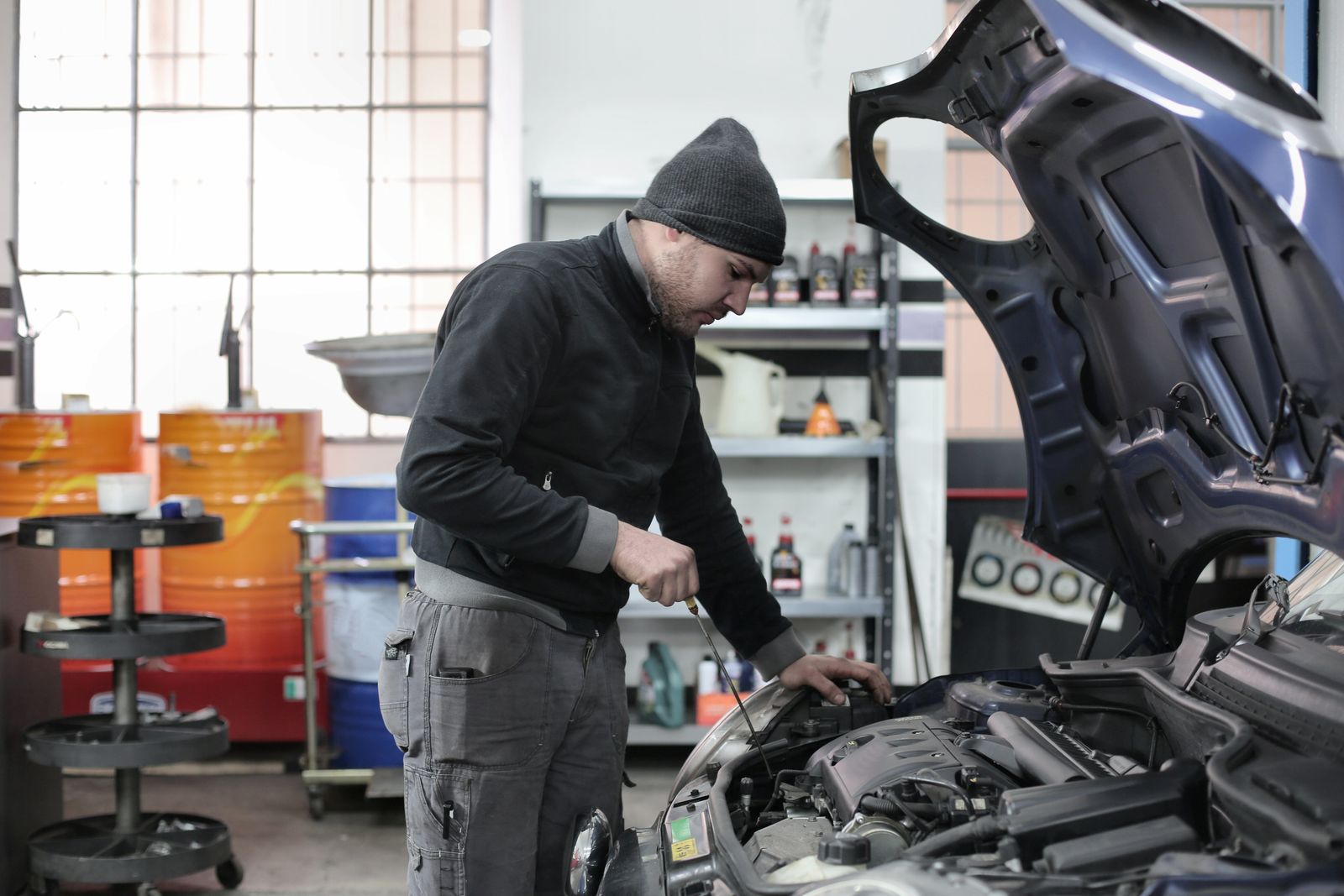

It started the way these things always start: with a woman thinking she was finally done. Done with the late-night blowups, done with the endless “we need to talk” texts, done with the whole exhausting orbit of a guy who treated every boundary like it was a personal attack.
She’d left him a few weeks earlier, moved her stuff out in daylight with a friend there, and blocked him on the obvious apps. But he kept finding new angles—new numbers, new emails, the occasional message slid through a mutual friend like it was casual. The one that stuck in her head wasn’t long. It was just, “You’ll regret leaving.”
She told herself it was the usual post-breakup spite. Ugly, but not actionable. Then her car started acting weird, and a routine maintenance stop turned into a moment where the air in the room changed.
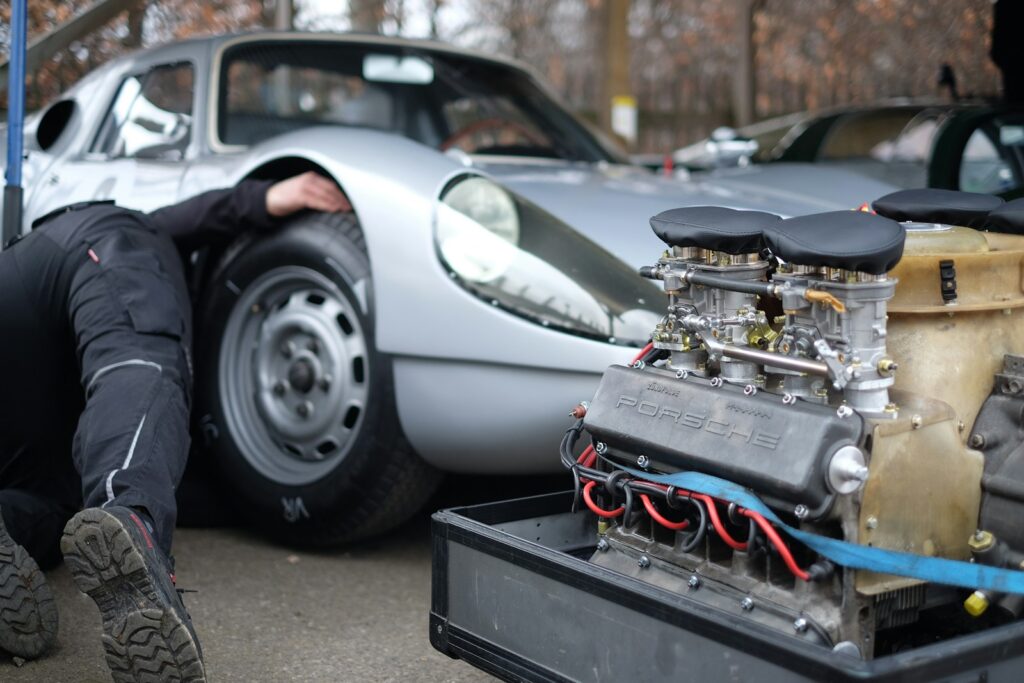
The mechanic’s face told her before his words did
She brought the car in on a Tuesday, not because it had fully failed, but because the brake pedal felt… soft. Not “I need new pads” soft—more like something wasn’t catching the way it should, a delay that made her stomach tighten at stop signs.
The mechanic didn’t do the usual reassuring patter. He put it on the lift, asked her to hang back, and then came out from under it with that careful tone people use when they’re deciding how much truth to drop at once.
One of her brake lines had been cut. Not worn through, not cracked from age, not leaking because of a loose fitting. Cleanly cut, like someone had taken a blade to it on purpose.
He said it the way you’d say, “Your house has been broken into,” and he kept repeating the word “clean” like he needed her to understand this wasn’t bad luck. She just stared at him, thinking about that message—regret leaving—and felt the timeline click into place in the most nauseating way.
She tried to do the rational thing, and it still felt surreal
She didn’t scream or faint or do anything cinematic. She went oddly quiet, like her brain was switching from “emotion” to “procedure.” She asked the mechanic to take photos, asked if he could show her exactly where it was, and asked him to write down what he saw in plain language.
Then she called the police from the parking lot, sitting in her driver’s seat even though she knew she couldn’t safely drive the car anywhere. The officer on the phone sounded polite in that weary way, asking questions like, “Do you have any idea who might have done this?” as if someone randomly slices brake lines for fun.
She told them about the ex and the message. She told them he knew where she worked, because he’d picked her up there a dozen times. She told them he’d driven past her place since the breakup—she couldn’t prove it, but she’d seen a familiar car roll by too slowly on her street.
They gave her a report number and said an officer could come by later. It was the kind of response that makes you realize how much of “safety” is really just paperwork after the fact.
The workplace cameras were supposed to be boring
Here’s the part that turned the situation from “terrifying suspicion” into “oh, he’s actually doing it.” One of her coworkers suggested checking the security cameras at the workplace parking lot, mostly because it was something concrete to do while she waited for the police to follow up.
She went to her manager with that half-embarrassed tone people use when asking for help with personal drama. The manager didn’t laugh. Apparently, “My brakes were tampered with and I think my ex did it” flips the right internal switch in anyone who’s ever had to run a staff safety meeting.
They pulled footage from the days before she noticed the brake issue. It wasn’t a crisp movie shot; it was that slightly washed-out, wide-angle view that makes everyone look like they’re walking through a fishbowl. But the car was visible, her parking spot was visible, and so was a person approaching it in a way that wasn’t normal “walking to your own vehicle” behavior.
He didn’t just pass by. He hovered. He looked around. And then, like he’d done it before, he lowered himself down and crawled beneath her car.
The moment his body disappears under the bumper
It’s one thing to imagine sabotage. It’s another to watch someone’s legs slide under your car on grainy video while you’re standing in an office with fluorescent lights buzzing overhead.
They watched him take his time. He wasn’t frantic; he wasn’t fumbling. He moved like someone doing a task, pausing once to glance up and scan the lot, then reaching deeper under the chassis like he knew exactly where to go.
After a minute or two, he rolled back out, brushed his hands on his jeans, and walked away without hurrying. No panic, no “oh god I’ve been spotted.” Just the casual exit of someone who felt entitled to do what he’d come to do.
There was no audio, but the silence in the room watching it was heavy. Her manager asked, very carefully, “Is that him?” She nodded, and the nod looked like it hurt.
When she confronted the reality, it didn’t feel like closure
She forwarded the footage to herself, made copies, and sent it to the officer assigned to the report. The mechanic agreed to speak to police too, and he sounded almost angry on her behalf, like he’d seen accidents caused by neglect and didn’t want to see one caused by malice.
In the meantime, she did what people do when they realize an ex isn’t just “mad” but potentially dangerous. She changed her routine. She parked under better lighting. She asked coworkers to walk with her to her car. She started scanning the lot the way you scan a street when you’ve heard footsteps behind you.
She also did the emotional math that feels humiliating even though it isn’t. Like, how many times had she ignored that “you’ll regret leaving” line because it sounded like standard breakup venom? How many times had he escalated in smaller ways that felt like drama, not threat?
The police response was… mixed. They took the footage seriously, but it still had to go through steps: identifying him officially, documenting the evidence, figuring out what could be charged. The gap between “we have video” and “he is stopped from doing this again” felt way too wide for her comfort.
Fallout doesn’t always look like justice
What made the whole thing messier was how normal everything else still looked from the outside. Her coworkers still had meetings. Her manager still had to make schedules. People still made coffee, joked about lunch, complained about emails, while she was trying to remember if she’d locked her doors.
Her ex didn’t show up at her workplace again—at least not on camera—but that didn’t calm her nerves so much as sharpen them. If he was bold enough to crawl under her car in a public lot, what else would he do when he wasn’t being recorded?
And the hardest part was that there wasn’t a clean emotional ending to it. Even with footage, she didn’t suddenly feel safe. The proof didn’t erase the reality that he’d already crossed the line from “controlling” to “trying to cause harm,” and once you’ve seen that version of a person, you can’t unsee it.
She got her brake line replaced, obviously, but she also started thinking in layers: cameras, locks, witnesses, documentation. The last thing she said to a friend about it wasn’t triumphant or relieved. It was something like, “I keep replaying the part where he just… crawls under there like it’s normal,” because that’s the detail that sticks—the calmness of it, the certainty, the way he moved like the regret he promised wasn’t a metaphor at all.
More from Steel Horse Rides: