
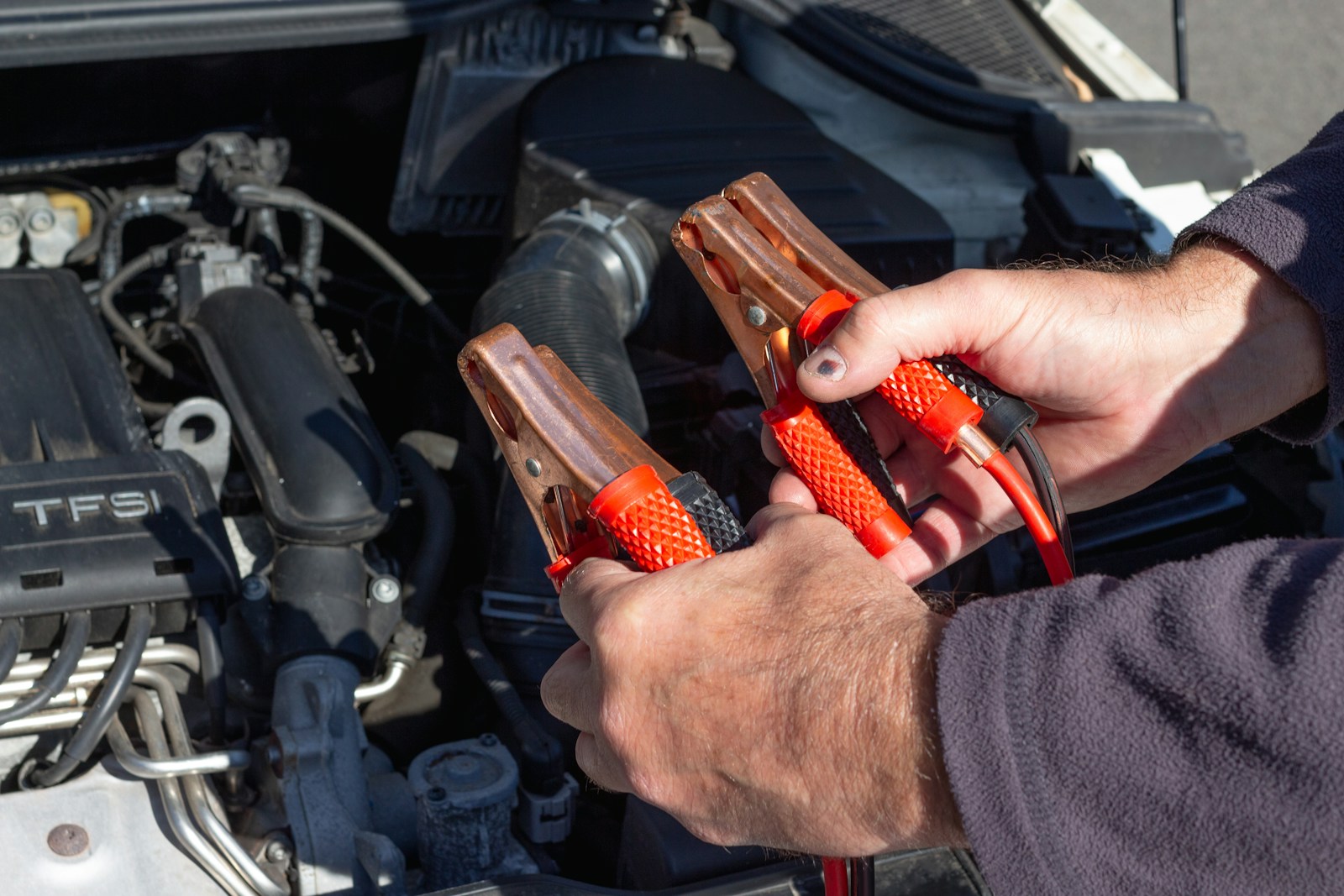

A mechanic spent hours tracking down a battery drain only to discover the real cause was something as simple as aftermarket LED bulbs.
A post shared in the r/Justrolledintotheshop subreddit highlights a frustrating diagnostic case that many drivers might not expect. According to the mechanic, the vehicle was experiencing a parasitic battery drain, and after more than two hours of testing, the issue was traced back to aftermarket LED reverse light bulbs installed by a previous owner. Once the bulbs were replaced with standard incandescent ones, the problem disappeared completely. For everyday drivers, this situation shows how even small modifications can lead to unexpected electrical issues.
The Reddit Case That Surprised Mechanics
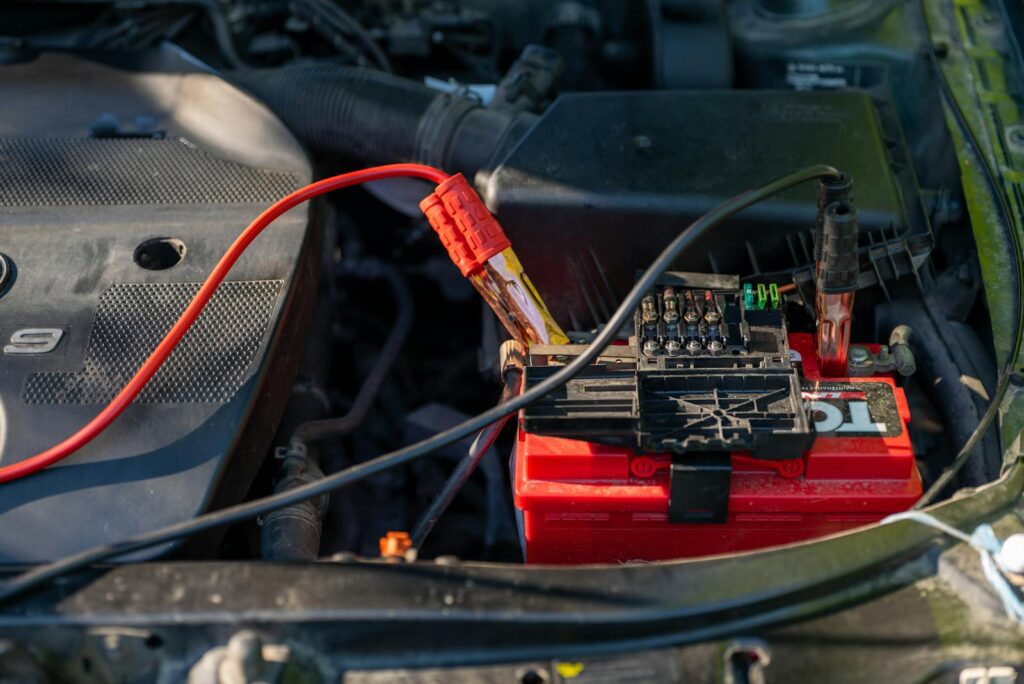
In the post, the mechanic explained that they had to use diagnostic tools, including a scope, to monitor a parasitic draw in the system. The issue was traced to the Body Control Module (BCM), which was not going into sleep mode as expected.
After further investigation, the cause became clear: the aftermarket LED bulbs installed in the reverse lights were interfering with the system. Once those bulbs were removed and replaced with standard ones, the BCM returned to normal operation, and the battery drain stopped.
Why LED Bulbs Can Cause Electrical Problems
At first glance, switching to LED bulbs seems like an upgrade. They’re brighter, more efficient, and longer-lasting. But in some vehicles, they can create compatibility issues.
The problem comes down to how LEDs behave electrically compared to traditional incandescent bulbs. LEDs have different resistance and current characteristics, which can confuse systems designed for older-style lighting.
This can lead to:
- Control modules stay active when they should shut down
- False signals in monitoring systems
- Unexpected battery drain over time
- Error messages or warning lights
As we’ve covered before, aftermarket electrical modifications can sometimes create hidden issues that are difficult to diagnose.
What Other Mechanics and Drivers Are Saying
The discussion in r/Justrolledintotheshop shows that this isn’t an isolated issue. Many users shared similar experiences with LED conversions, causing strange electrical behavior.
Some noted that LEDs can interfere with bulb monitoring systems, while others explained how control units may interpret the signals incorrectly. In some cases, drivers reported dashboards lighting up with warnings or features like cruise control malfunctioning.
There was also discussion about using resistors or “CAN bus-compatible” LEDs to avoid these problems, though even those solutions don’t always work perfectly.
What Drivers Should Watch For
If your vehicle starts experiencing electrical issues after modifications, it’s important to consider recent changes — even small ones like light bulbs.
Warning signs to watch for include:
- Battery draining overnight or after sitting
- Electronics stay active when the car is off
- Warning lights or unusual system behavior
- Features not working as expected
If you notice these issues, reverting to original equipment parts is often the simplest way to test the cause.
For more guidance, check out our article on how to diagnose battery drain issues step by step
Context & Why This Matters
Modern vehicles rely heavily on electronic systems that are carefully calibrated for specific components. Even small changes can disrupt how these systems function.
This case highlights a growing trend: as more drivers modify their vehicles with aftermarket parts, unexpected compatibility issues are becoming more common. What seems like a simple upgrade can sometimes lead to hours of diagnostics and unnecessary costs.
For official vehicle safety and electrical system information, drivers can visit the National Highway Traffic Safety Administration (NHTSA):
The Bottom Line for Drivers
Not every upgrade improves your vehicle, and some can create problems you wouldn’t expect.
If you’re dealing with unexplained electrical issues, consider whether aftermarket parts could be the cause.
Because sometimes, the simplest fix is going back to what the car was designed to use.
More from Steel Horse Rides: