
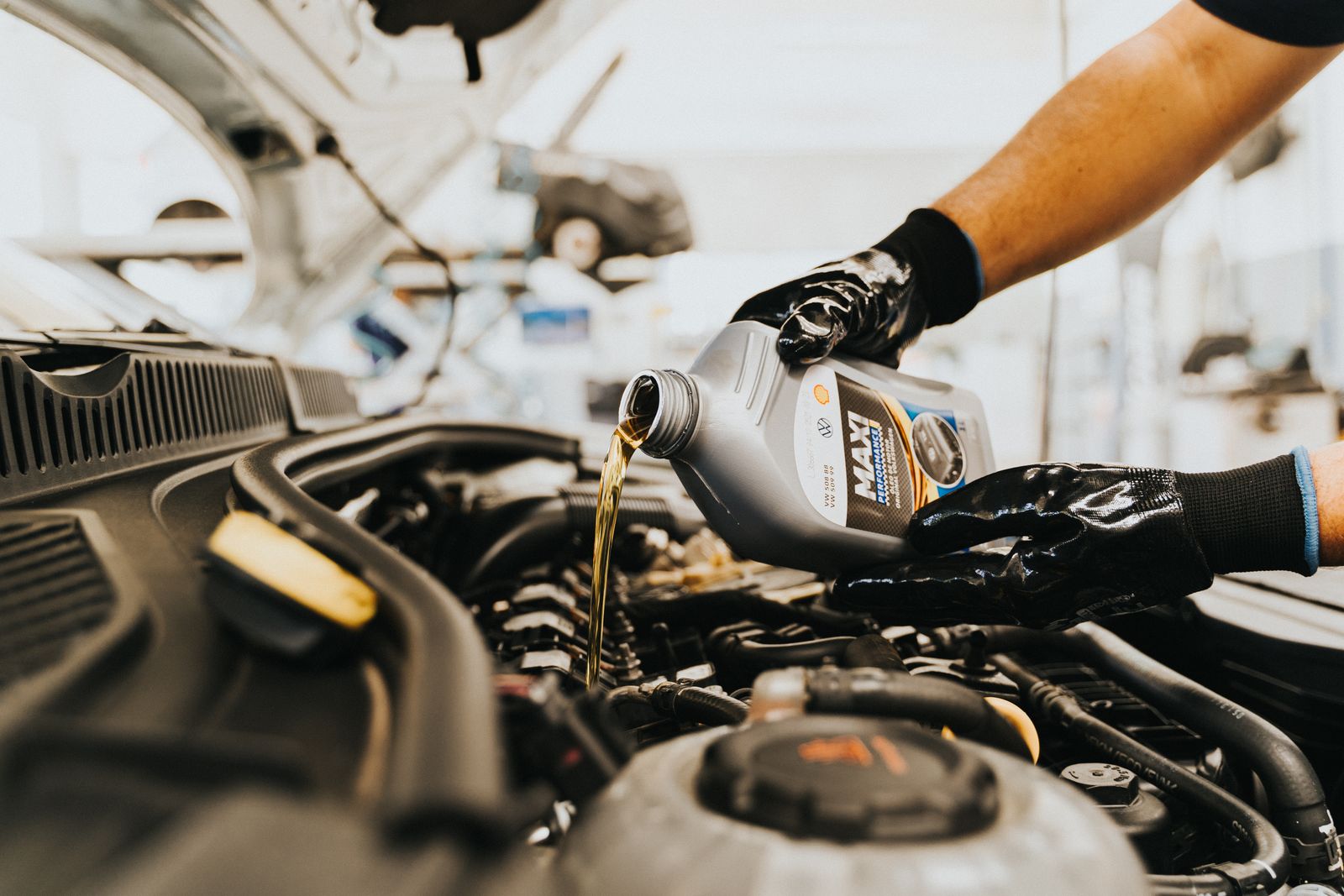

The car rolled into the little independent shop on a Tuesday that already felt too busy. It was a ten-ish-year-old crossover, freshly washed, still wearing a dealer-style air freshener that didn’t match the rest of it. The new owner—mid-30s, polite but tight around the eyes—kept saying he just wanted a “baseline service” because he’d “finally upgraded” from his old beater.
The mechanic, a guy who’d seen enough bad decisions arrive on four wheels to develop a sixth sense for them, started with the basics. He asked the usual questions: any warning lights, any noises, any leaks. The customer hesitated for half a beat and said it drove “fine,” except maybe a faint tick on cold starts that went away once it warmed up.
That tiny pause was the first red flag, but the second came when the customer mentioned he’d bought it from a private seller the night before. Cash deal, quick handshake, “guy seemed normal,” and a story about how the seller was moving and needed it gone. The mechanic didn’t say anything yet—he just popped the hood and got to work.
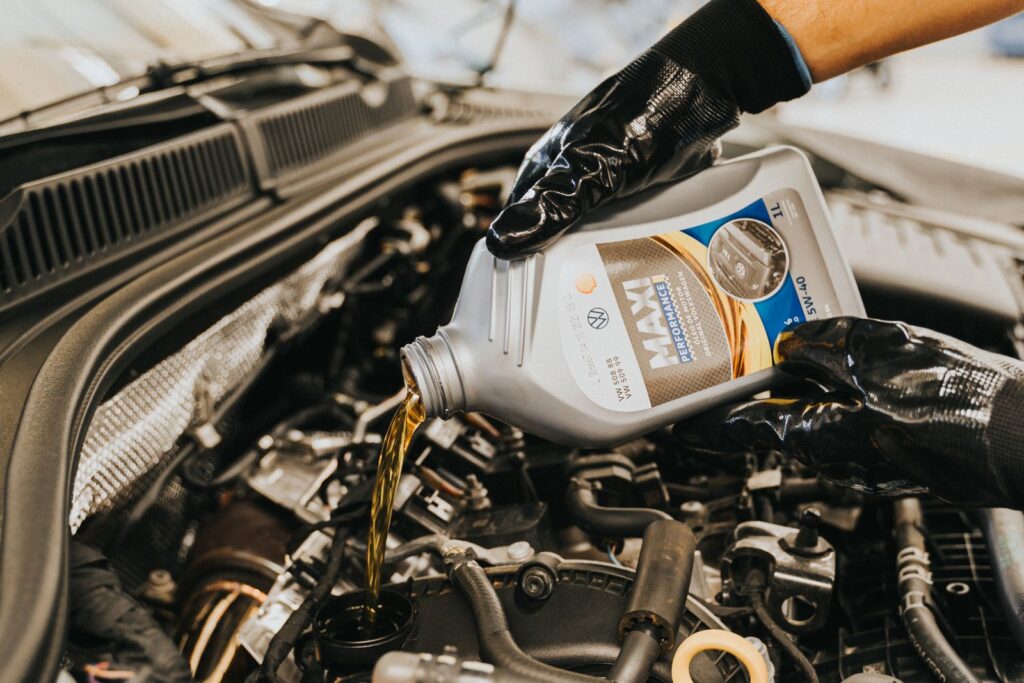
The oil looked wrong before it even hit the drain pan
On paper, it was an easy job: oil change, filters, check brakes, quick scan, send him on his way. But the mechanic noticed the oil cap looked too clean, like it had been scrubbed and wiped down in a hurry. The dipstick had fresh amber oil on it, which would’ve been reassuring if the rest of the engine bay didn’t look like it hadn’t been touched in months.
When he cracked the drain plug, the oil didn’t pour out like normal used oil. It came out with this weird shimmer to it, like someone had mixed in metallic paint. Under the shop lights, it wasn’t subtle—it glittered.
He caught the stream in a clean pan and leaned in close. It wasn’t just a little sparkle you’d blame on a reflection. It looked like someone had dumped a craft store’s worth of fine metallic flakes into the crankcase and then tried to pretend it was nothing.
The customer wandered over, hands in his pockets, and asked if everything was okay. The mechanic, still staring into the pan, didn’t answer right away. He reached for a magnet and dragged it through the oil, slowly, like he already knew what he was going to find.
Glitter doesn’t belong in an engine, and it doesn’t show up by accident
Some of the sparkles followed the magnet. Some didn’t, which was worse in a different way—non-magnetic bits can mean bearing material, aluminum, stuff that’s not supposed to be leaving the inside of your engine at all. The mechanic wiped his glove on a rag and showed the customer the smear: oil and bright metallic grit, like someone sprinkled mica into syrup.
The customer’s face did this slow change from curious to confused to quietly panicked. He tried to laugh it off and asked, “Is that… normal? Like, from wear?” The mechanic told him normal wear looks like a little dark discoloration, maybe a tiny bit of fine sludge if someone pushed the interval too far, not a disco ball in the drain pan.
Then the mechanic did the thing that makes customers nervous: he started asking questions that weren’t on the work order. When was the last oil change? Did the seller show receipts? Did it ever overheat? Any low oil pressure warnings? The customer admitted the seller said he “just changed the oil yesterday,” which had sounded like a nice bonus at the time.
“Yesterday,” the mechanic repeated, like he was testing the word for weight. Fresh oil right before a sale can be innocent. Fresh oil with glitter is a magic trick.
The shop check turned into an investigation
He pulled the oil filter and cut it open, because once you’ve seen glitter oil, you don’t just slap a new filter on and pretend you didn’t. Inside, the pleats were loaded with metallic debris—tiny flakes and slivers that looked like they’d been shaved off something expensive. He laid the filter guts out on a tray like evidence.
The customer asked if it could’ve come from the drain plug or some old gasket material. The mechanic shook his head and told him this was internal. The only way you get that much metal is if something is chewing itself up—bearings, cam journals, timing components, or worse.
He plugged in a scanner and checked for stored codes. Nothing obvious, which wasn’t comforting. A clever seller can clear codes, and an engine can be dying without being polite enough to log a warning in the computer.
Then he fired it up for a moment—just long enough to listen. Cold, it had a sharp tick that turned into a deeper knock if you held the revs steady. It wasn’t dramatic like in movies where the engine sounds like a hammer in a trash can. It was subtler, and that’s what made it nasty: the kind of noise you could ignore for a week if you really wanted to believe you got a good deal.
The ugly theory: someone tried to mask it just long enough
The mechanic didn’t accuse anyone out loud at first. He just explained what he was seeing and why it mattered, using the blunt tone that comes from having to deliver bad news a few times a week. Metal in the oil means the engine is wearing itself from the inside, and once that starts, it doesn’t reverse because you changed brands of oil or started using premium gas.
The customer kept looking at the car like it might talk and deny it. He asked if maybe it was just old oil residue mixing with new oil, or maybe the mechanic was seeing things because the pan was dirty. The mechanic rinsed the pan, poured the drained oil into a clear container, and held it under the light. The shimmer hung in the oil like it belonged there.
That’s when the mechanic finally said the quiet part: it looked like someone added an additive to thicken the oil and possibly mixed in something to make it look “normal” on a dipstick, just long enough for a test drive. He’d seen sellers try honey-thick oil to muffle a knock. He’d seen gear oil in engines. He’d even seen sawdust in different contexts, which sounds like a joke until you’re scraping it off a component.
The customer asked, voice tighter now, “So… you’re saying the seller knew?” The mechanic shrugged in a way that wasn’t a shrug. He said nobody accidentally ends up with glitter in their engine oil on the exact day they’re selling a car.
The phone call that went nowhere, and the one that got heated
They called the seller from the shop. The customer put it on speaker, probably thinking the mechanic’s presence would keep it civil. The seller answered like he’d been expecting this, cheerful for half a second before he realized what the call was about.
The customer started careful: the shop found metal in the oil, it sounded like rod knock, they’d only had it a day. The seller’s tone flipped hard into annoyance. He said the car was fine when it left, he’d driven it “for years,” and maybe the buyer “drove it wrong” or “revved it too hard.”
The mechanic stepped in and asked one direct question: what exactly did the seller put in the oil yesterday? There was a pause, then the seller said “just oil,” like the topic itself was insulting. When the mechanic mentioned the glitter in the drain pan, the seller didn’t ask what that meant or sound surprised; he just said he didn’t know anything about it and that the car was sold as-is.
The customer’s face went red, but not in a shouting way—more like embarrassment curdling into anger. He asked for at least part of the money back, because this wasn’t a minor issue. The seller laughed once, sharp, and said he didn’t have the money anymore and “that’s why you do inspections before you buy.” Then he hung up.
The customer stood there with his phone still in his hand, staring at the blank screen. The mechanic didn’t say “I told you so.” He just asked how much the guy paid, and when he heard the number, his eyebrows went up like he’d been physically pinched.
He offered options, but none of them were good. They could do a compression test and an oil pressure test to document it. They could drop the oil pan and look for bearing material. They could try to baby it, but if it was already shedding metal, every mile was a gamble with a payout that looked like a tow truck.
The customer kept circling back to the same thing: the seller’s “fresh oil change,” the clean cap, the way the test drive had felt totally normal. He’d even said the seller insisted on meeting in the evening, in a dim parking lot, because he “worked late.” At the time it sounded convenient. Now it sounded like staging.
By the end of the visit, the mechanic had the glitter oil sealed in a container, the cut-open filter bagged, and a written report with photos—because the customer asked for it with the kind of urgency that comes from realizing you might need small claims court. The car sat outside the bay, clean and innocent-looking, like it hadn’t just been caught with metal shavings in its bloodstream.
And that’s where the tension stayed: not in the engine, but in the space between what everyone could see and what anyone could prove. The mechanic could point to the glitter and the noise all day, but the seller could keep hiding behind two words—“as-is”—and a dead phone line. The customer drove away slower than he arrived, listening to every tick like it was counting down, trying to decide whether to park it and fight, or keep rolling and hope the engine didn’t decide to end the argument on the side of the road.
More from Steel Horse Rides: