

The mechanic didn’t notice anything weird at first. It was a pretty normal midweek drop-off: a late-model sedan with a rough idle, an anxious customer hovering near the counter, and that familiar “it started doing this out of nowhere” line delivered a little too fast.
He took the keys, wrote up the ticket, and drove it into the bay. The car sounded tired in a way that didn’t match its mileage—like it had been starved of something, then overfed something else to compensate. When he popped the hood, nothing screamed disaster… until the light hit the top of the engine and something faintly sparkled back.
At first, he thought it was a reflection from a tool cart or a stray Christmas decoration someone forgot in the shop. Then he leaned closer and realized the shimmer wasn’t on the paint or the plastic cover. It was down in places you don’t expect “pretty” to show up: around the oil fill cap area, the seams, and little crevices where grime usually lives.
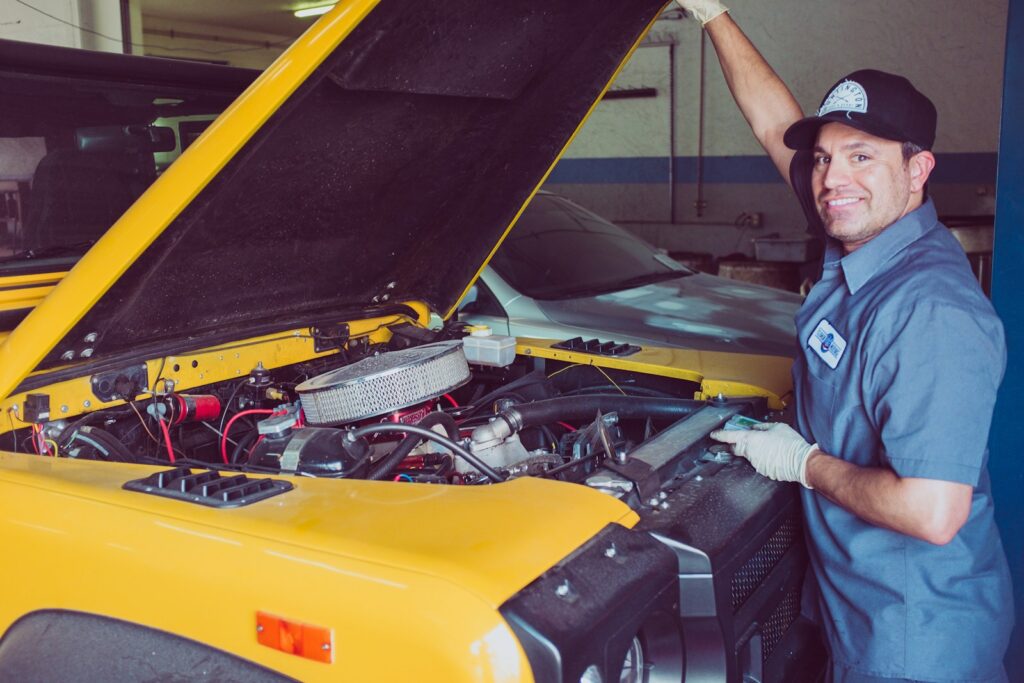
“That’s… glitter.”
He wiped a finger along the edge of the oil cap and pulled back with a smear that looked like dirty makeup. Tiny flecks, unmistakably glitter, clung to the oil film like they’d been born there. It wasn’t just one or two pieces either—there was enough to catch the light from multiple angles.
His first thought wasn’t “craft accident.” It was “someone poured something in here.” Because glitter doesn’t belong in an engine any more than sand belongs in a transmission, and the only time he’d ever seen weird foreign material in a motor, it was because somebody wanted to hurt somebody.
He called one of the other techs over and didn’t even have to say much. The second guy leaned in, squinted, and made a face like he’d just discovered a roach in a cereal box. They both did that quiet, grim mental math: if glitter’s visible up here, what’s down in the oil, the filter, the galleries?
The mechanic walked back to the front and asked the customer, casually at first, if anyone else had been working on the car. The customer gave the kind of shrug that’s supposed to be nothing, but comes out stiff. “Nah,” he said. “Just, you know. Normal stuff.”
The questions started getting specific
Back in the bay, they pulled the dipstick. The oil looked darker than it should’ve, and when the mechanic held it under the shop light, the shimmer showed up again—faint but there, like someone had shaken a glitter pen into a puddle. He didn’t even bother pretending it was normal after that.
He went back out and asked again, this time with the polite tone stripped off. “Has anyone topped off your oil lately? Did you have work done somewhere else? Anyone borrow the car?” The customer’s eyes darted just slightly, and he did a quick laugh that didn’t match his face.
“My ex…” the guy started, then stopped like he’d said too much. The mechanic waited, arms folded, letting the silence stretch. The customer cleared his throat and tried again, quieter. “She’s been… helping with maintenance.”
That phrase—helping with maintenance—hit like a sitcom line, but nobody in the shop laughed. The mechanic asked what “helping” meant, exactly, and the customer tried to keep it vague. Oil changes, topping fluids, “little stuff.” Stuff she “used to do” when they were together, he added, like it was a cute domestic habit that had simply lingered past the breakup.
What “help” looked like
Once the door opened, the details started spilling out in uneven chunks. They’d split a couple months ago, but she still had a key. She’d swing by when he wasn’t home to “drop something off,” and sometimes he’d come out later to find a bottle of windshield washer fluid on the porch or a note about tire pressure.
He said he didn’t ask for it, but he also didn’t stop it. There was a defensive edge to his voice, like he already knew how this sounded and hated that it sounded exactly like it did. The mechanic asked the obvious question: why would an ex, who has access to the car, be performing surprise oil-related favors?
The customer’s answer was a shrug wrapped in denial. “She’s just like that,” he said. “She’s… extra. Into projects.” He didn’t say the word “petty,” but it hovered in the air anyway.
Then the mechanic asked if the ex was into crafts. The customer blinked, confused, and said yes—she made custom tumblers, did resin stuff, had a whole “sparkly” setup. The mechanic nodded slowly, because suddenly the glitter wasn’t random. It was a signature.
The shop’s mood shifted from “damage” to “message”
They drained the oil into a clean pan instead of the waste tank, because now it mattered what was in it. Under the overhead lights, it looked like someone had dumped a tiny galaxy into used motor oil. Not enough to look like a glitter bomb, but enough that nobody could argue it was accidental road grime.
The mechanic wasn’t thinking about romance drama at this point. He was thinking about bearings, oil passages, the oil pump pickup, and what happens when you introduce a bunch of non-dissolving particles into a system that’s designed to be clean and slick. Glitter isn’t abrasive like sand, but it’s also not supposed to be there, and “not supposed to be there” is how expensive sentences begin.
He told the customer what he was worried about: contamination, potential clogging, accelerated wear, unknown additives if whatever carried the glitter also went in. The customer’s face did that slow, sinking thing, like he’d been clinging to “this is weird but fine” and it was slipping away. He asked the question people always ask when reality starts charging them money: “Is it bad?”
The mechanic gave him the honest answer—maybe, and it depends. He recommended an oil and filter change immediately, then another one after a short interval, and potentially dropping the oil pan if they wanted to be thorough. The more he explained, the more the customer stared at the counter like it might open up and swallow him.
And then, like his brain finally caught up to the conversation, the customer said, “She did my last oil change.” Not “helped.” Not “topped off.” Did it. The mechanic asked when, and the date lined up perfectly with when the engine started acting off.
The admission nobody wanted to say out loud
The mechanic didn’t accuse the ex directly, because that wasn’t his job and also because people get weird when you say, “Someone might’ve sabotaged your car.” But he did ask, carefully, whether the breakup was friendly. The customer hesitated just long enough to answer honestly without using the word “no.”
He finally admitted they’d been fighting. He’d started seeing someone new, and his ex had found out. He said it fast, like the speed might make it less relevant, but it was the first thing that made the glitter make emotional sense.
Now the customer wanted certainty. He wanted the mechanic to tell him it was 100% sabotage, to make it a clean story with a villain and a receipt. The mechanic couldn’t give him that, not in a way that would matter legally, and he could see the frustration rise up behind the guy’s eyes.
They talked about practical stuff instead: changing the locks, taking the spare key back, checking other fluids, looking for signs that anything else had been messed with. Brake fluid, coolant, power steering—anything someone could “help” with. The mechanic’s voice stayed level, but the whole shop felt tense, like everyone was suddenly aware that cars aren’t just machines; they’re access points.
The customer went quiet when the mechanic asked if the ex had ever joked about glitter being impossible to clean. He gave a tiny nod, almost embarrassed. Like he’d heard that line a hundred times and never imagined it would migrate from a kitchen craft table to the inside of an engine.
They did the oil change, cut open the filter, and found sparkle there too—flecks embedded in the pleats, catching light like tiny knives. Not catastrophic in a single glance, but enough to make the mechanic recommend the follow-up service and enough to make the customer’s stomach drop. He paid, left, and sat in the car for a few minutes before starting it, like even turning the key felt like consenting to whatever game was being played.
He drove off with fresh oil and a long list of uncomfortable next steps, none of which a shop could do for him. The glitter part was solvable with time, money, and enough flushes, but the bigger problem stayed lodged where the mechanic couldn’t reach: someone who still had access, still wanted to leave a mark, and had figured out how to turn “maintenance” into a threat that looked, from a distance, almost thoughtful.