

Few things feel worse than being told your car needs a major repair when you have no way to check. You nod, you worry about the price, and you hope the person behind the counter is being straight with you. Most shops are honest, but a mechanic who posts as @computech.auto says there is a simple way to find out in about five seconds, and it does not require knowing anything about engines.
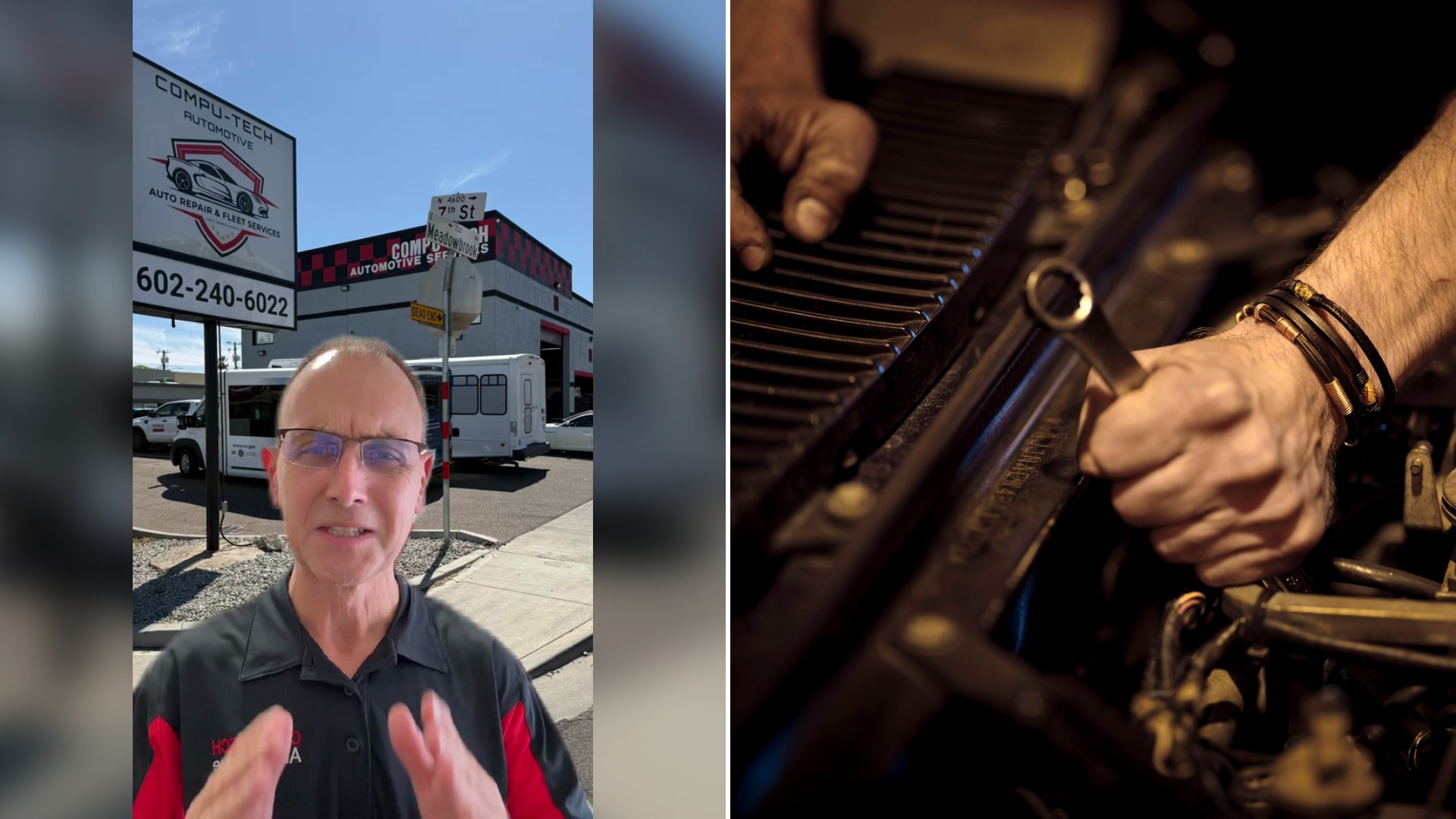
His message begins with a strong line. Stop letting mechanics treat your car like a blank check. Then he lays out exactly what to say.
@computech.auto
The exact words to use
The next time a shop tells you that you need a major repair, look the service writer in the eye and say, awesome, show me the digital video inspection photos, and make sure you save my old parts in a box so I can see them.
Then pay attention to the reaction. If the shop stutters, makes excuses, or says something like our insurance does not allow this, or customers cannot see the parts, he says that is the moment to grab your keys and run. In his view, an honest shop wants to show you the data. They use digital inspections, show you photos of the actual failure, and gladly let you see the worn out parts they took off your car. If they cannot prove it, he says, do not pay for it.
He closes by asking people to share their worst mechanic horror stories in the comments.
What a digital inspection is
Many shops now use software that lets a technician take photos and short videos while the car is up on the lift. The images are attached to a report that gets sent to you by text or email, often with notes explaining what was found. You might see a cracked belt, a leaking gasket, tire tread measurements or brake pad thickness. It gives you a chance to look at the problem from your phone and ask questions before you approve anything.
Not every shop uses this technology, and a small independent garage might not have it. That does not automatically make them dishonest. But the principle behind it, showing evidence, is what matters. A shop that cannot send photos might still walk you into the bay to point at the worn part.
Why saving old parts matters
Asking to keep your old parts is a long standing way to confirm that work was actually done. If a shop says it replaced your water pump, the old pump should exist. Many shops will gladly hand it over, and in some states the law requires them to return replaced parts on request. The rules vary, so it is worth checking where you live.
There are fair exceptions. Some parts are returned to the manufacturer as part of a warranty claim or a core exchange, which is a credit given when you hand back a used part to be remanufactured. Batteries, fluids and certain components are hazardous and have special disposal rules. A good shop will explain these exceptions clearly and offer a photo or a chance to look at the part before it goes. The warning sign is a shop that refuses outright or gets defensive.
A fair note on this test
The five second test is the opinion of one mechanic, and it works best as a conversation starter. A shop that cannot supply photos is not necessarily trying to cheat anyone, and a busy service writer might simply be unfamiliar with the request. Use judgment. If the answer is no but there is a reasonable explanation and the shop offers another way to see the problem, you may be fine. If the answer is evasive, rushed or hostile, trust your instincts.
Other ways to protect yourself
Get the estimate in writing before work begins. It should list parts and labor, and note any shop fees. If the shop finds more work, ask them to call you for approval before they proceed.
Ask what the repair will fix and what could happen if you wait. A good technician can explain the difference between something that is unsafe, something that should be done soon, and something that can wait.
Compare quotes on large jobs. A second opinion takes time, but when a bill reaches into the thousands, it is worth it. Take any photos or written findings with you.
Look for signs of professionalism. Shops with technicians certified by the National Institute for Automotive Service Excellence display that credential, and many offer warranties on parts and labor. Ask how long the warranty lasts.
Check reviews, but read them for patterns. One angry review means little. Many reviews about the same issue, such as surprise charges or unclear communication, say a lot.
Keep your own records. Save invoices and note the mileage when work is done. Over time you will see what has been replaced and avoid paying twice for the same job.
Ask about shop policies up front. Some shops charge a diagnostic fee, and some apply it toward the repair if you approve the work. Knowing this before you hand over the keys makes it easier to compare shops fairly and prevents surprises on the final bill.
The bottom line
The advice from @computech.auto comes down to one idea. Honest repairs can be proven, and you have every right to ask for that proof. A polite request to see the photos and the old parts is reasonable, and a trustworthy shop will usually welcome it. If you ever feel pressured, take a breath, ask your questions, and remember that you can always take your keys and go elsewhere.