

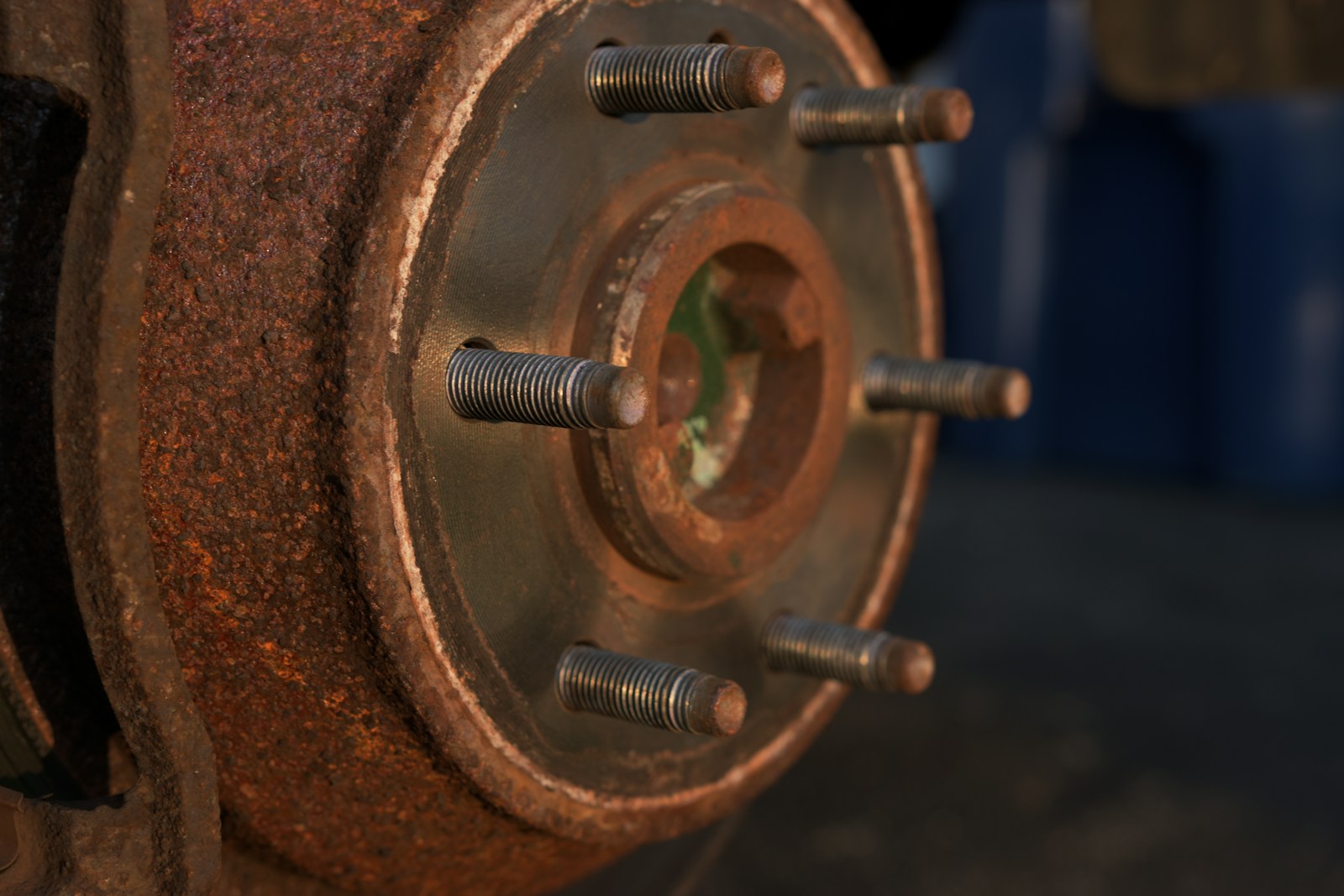
The mechanic had only been on the clock for maybe twenty minutes when the silver SUV rolled in like it had a grudge against the pavement. It didn’t glide into the bay so much as lurch, stop, then creep forward again—like the driver couldn’t quite decide how much brake pedal was too much. The guy behind the wheel hopped out fast, sunglasses on, phone already in his hand, and started talking before anyone even asked what he needed.
He wanted an oil change “and just check the brakes real quick,” like it was a casual add-on. The shop was one of those busy neighborhood places that survives on regulars and word-of-mouth, not fancy waiting lounges or corporate scripts. The mechanic—mid-30s, steady hands, the type who actually writes notes on repair orders—took the keys and did the standard intake walkaround.
When he pulled the SUV into the bay, he felt it immediately: soft pedal, a weird shudder, and a grinding sound that didn’t match “real quick.” He did what any competent tech does when their gut says something’s seriously wrong. He stopped treating it like a courtesy check and started treating it like a liability.
The “Quick Brake Check” Turns Into a Red Flag
Up on the lift, the front brakes looked like they’d been in a long-term fight and lost. The pads were worn down to almost nothing, the rotors had deep scoring, and one caliper boot looked torn and crusted like it had been leaking for a while. The mechanic didn’t even need to sell it—this was the kind of wear that speaks for itself once it’s in your face.
He called the customer over, because some people only believe what they can see. The guy wandered in, still half on his phone, and the mechanic pointed with a gloved finger at the bare pad backing and the rotor grooves. He used the plain, blunt phrasing that shops use when they don’t want any misunderstanding: “These aren’t safe. This needs to be done now.”
That’s when the customer’s whole vibe shifted from impatient to offended. He didn’t ask how much, not really—he asked why it was suddenly “a big deal” and implied the shop was trying to scare him into spending money. The mechanic stayed calm, repeated the basics, and explained what could happen if the brakes failed under load.
The Customer Doesn’t Want “A Sales Pitch”
The estimate came out to a number the customer clearly didn’t like, and he reacted the way people do when they’ve already decided the answer. He scoffed, made a comment about how shops always “find something,” and asked if the mechanic could “just slap pads on” because he “didn’t need the whole package.” The mechanic told him no—pads alone on rotors that bad wouldn’t fix the underlying issue, and it wouldn’t be responsible.
Now it became a power struggle. The customer started doing that thing where they talk louder but say less, like volume can substitute for facts. He insisted he’d “been driving like this for months,” which is never the reassuring detail people think it is, and demanded the car be put back down so he could leave.
The mechanic knew the next part was delicate: you can’t physically stop someone from driving their own vehicle away, but you also can’t let them pretend nobody warned them. So the shop did what shops do when something is legitimately dangerous. They wrote it up clearly: brakes unsafe, customer declined repair, advised not to drive.
“I’m Not Signing Anything”
When the service writer brought out the paperwork, the customer stared at the line that said he was declining recommended repairs and refused to sign. He claimed it was “admitting fault” and said he wasn’t going to put his name on a document that could be used against him. The service writer tried to explain it wasn’t about blaming him; it was about documenting the condition of the vehicle and the shop’s recommendation.
That explanation didn’t land. The guy planted his feet and repeated the same phrase in slightly different variations: he wasn’t signing, he wasn’t paying for “extra,” and he was leaving. The mechanic, who’d been quiet during the paperwork part, finally said something sharper—still controlled, but unmistakable: “You can refuse the repair, but don’t pretend you weren’t told. These brakes can fail.”
The customer snapped back with an eye-roll and a bitter little laugh, like the warning was theatrics. He grabbed his keys, got in, and drove off with that same hesitant braking, the front end dipping like it was begging for mercy. The mechanic watched the taillights leave the lot and felt that familiar frustration: you did everything right, and it still doesn’t feel like enough.
Two Days Later, the Phone Call Everyone Dreads
It was two days later when the shop phone rang and the mood changed instantly. The service writer listened for about ten seconds before gesturing for the mechanic, the way people do when they’ve just heard a name they recognize attached to a disaster. The mechanic took the call and heard the customer’s voice—no sunglasses confidence now, just clipped anger with a shaky edge.
The guy said he’d crashed. Not a tiny fender-bender either; he described it like he wanted the story to hurt the shop. He claimed the brakes “went out,” that he’d rear-ended someone at a light, and that his insurance company was “asking questions.” Then he pivoted to the part he’d clearly rehearsed: he’d been at their shop, and they’d “touched” the brakes, and now his car was wrecked.
The mechanic tried to keep the conversation anchored to what actually happened. They didn’t perform any brake work, he said. They inspected the brakes, recommended repairs, and the customer declined. The customer cut him off and said the inspection itself could’ve caused the failure, because “you guys were in there messing with it.”
That’s when the threat dropped: lawsuit. The customer said he’d “talked to someone” and he knew shops could be held liable, and he wasn’t going to be stuck with the bill because they “let him drive away.” He demanded they pay his deductible at minimum, and when the mechanic didn’t immediately cave, the customer’s tone turned cold and precise. He told the mechanic to expect papers.
Paper Trails, Liability, and the Ugly Middle Ground
After the call, the shop did what small businesses do when the air suddenly feels legally radioactive. They pulled the work order, the inspection notes, and the time stamp. The service writer pointed at the line where they’d written “customer refused to sign,” and the mechanic remembered the moment exactly—how the guy’s eyes narrowed when he saw the decline language.
The owner got involved, because owners always do when the word “lawsuit” shows up. He asked the mechanic to walk him through it from the top, not because he didn’t trust him, but because he needed the story clean and consistent if it ever left the building. The mechanic explained the condition, the warning, the refusal, the refusal to sign, and the fact that nobody disassembled anything beyond what’s normal for a visual check.
There’s an awkward truth in situations like this: the shop can be completely correct and still spend weeks dealing with someone else’s chaos. Even if they did everything by the book, they might have to answer calls from an insurance adjuster or a lawyer fishing for contradictions. The mechanic wasn’t worried about what he did; he was worried about how exhausting it is to prove a negative to someone who’s already decided you’re the villain.
The customer kept calling, too. Sometimes he’d be furious, sometimes almost pleading, like he wanted them to offer money just to make the stress stop. He’d say things like, “If you’d just fixed it when I was there, this wouldn’t have happened,” conveniently skipping the part where he refused the fix. The mechanic could hear in his voice that he was staring at a wrecked car, an angry insurer, maybe a ticket, and he was scrambling for a softer landing.
The shop’s response stayed simple: all communication goes through the owner, and if he has legal representation, they’ll talk to them. The mechanic was told not to pick up calls from that number anymore, which felt both protective and weirdly insulting—as if doing his job put him in the line of fire. He kept thinking about how the customer had driven away, annoyed at being “sold to,” and how two days later the story had been rewritten into “you let this happen.”
What hung in the air wasn’t whether the brakes were bad—they were, and the shop had the notes to prove it. It was the fact that the customer’s crash didn’t just damage his car; it gave him a new, angrier narrative where someone else had to be responsible. And the mechanic, who’d tried to be the adult in the room with a clear warning and a paper trail, was left waiting for the next ring of the phone—half expecting a lawyer, half expecting the customer to show up in person and demand a villain he could actually yell at.