

For about 15 years, owners of Dodge Hemi V8s have lived with the dreaded Hemi tick. The usual cure has been to replace parts and hope the block is still sound.
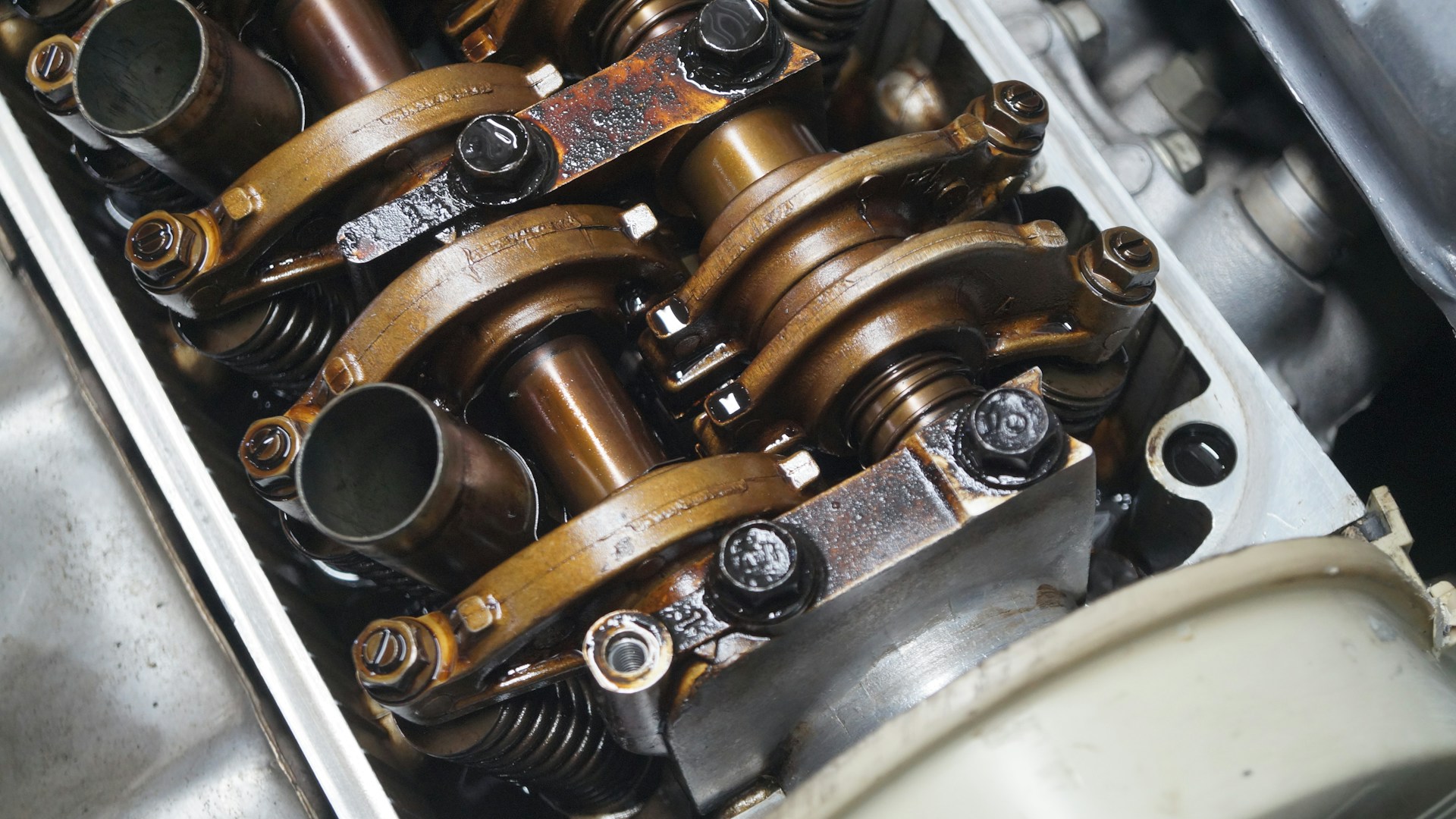
Now a mechanic who says he has built more than 2,000 Hemis has a theory about the cause, and a plan for a fix. CarBuzz’s Evan Williams reported it in an article on November 7, crediting The Drive.
The Tick, He Says, Is A Symptom
Dave Miller runs the YouTube channel Hemi Garage Hacks. He argues that the tick is a symptom, not the disease.
In his explanation, oil does not reach the lifter well enough to lubricate its bearings. The bearings fail, the lifter roller stops turning, and the camshaft gets ground down, scattering metal debris through the engine.
Two Camshafts, One Tiny Gap
Miller compared a 2003 to 2008 camshaft with a 2009-and-later unit. The older design had a small gap that let oil from the gallery reach the lifter, and the newer one lacks it.
He says the oil band on the newer cam stops 0.88 mm short of the oil gallery. That restricts flow to the lifter.
Miller attributes the change to Stellantis modifying the block and camshaft to fit a displacement-on-demand system. Installing an older cam reportedly fixed the problem.
Why You Cannot Just Swap In The Old Cam
An old cam cannot simply be dropped into a newer engine. So Miller is developing a new lifter design to solve the oil problem in another way.
He has modified one set for testing and is seeking funding and help to bring it to production. His video shows increased oil flow compared with the standard design.
He also mentions two other options, a higher-lift camshaft or machining a groove into the lifter bore. Both are more involved and come with serious downsides.
It Is Still An Idea That Needs Testing
CarBuzz says the idea needs more testing before anyone can call it a cure. That caution is wise, since an engine fix has to hold up for many thousands of miles.
CarBuzz says a large share of 5.7-liter Hemis are affected, including those in Ram trucks, Jeep Grand Cherokees, Dodge Durangos and Dodge Charger and Challenger models.
What A Lifter Does, And Why Oil Is Everything
A lifter sits between the camshaft and the valve. As the cam turns, the lifter follows its shape and pushes the valve open at the right moment.
In a roller lifter, a small wheel rides on the cam lobe, and it spins on tiny bearings that need a steady supply of oil. If the supply falls short, the roller can wear, stick or stop turning, and the lifter starts to drag across the cam.
That is where the tick comes from. The sound is a warning, and ignoring it can lead to metal debris and a much larger repair.
What “Displacement On Demand” Means
Displacement on demand is a system that shuts off some of the engine’s cylinders when the driver does not need full power, with the goal of saving fuel. When the driver presses the pedal, the cylinders come back online.
To make that work, the engine needs special lifters that can switch valves on and off, and the block and camshaft need to be designed for them. Miller points to those design changes as the reason the oil path changed on the newer engines.
Fuel-saving systems like this are common across the industry, and they can work well when they are built and maintained properly.
A Famous Engine, A Famous Complaint
The 5.7-liter Hemi has powered a long list of popular vehicles, and many owners love its sound and strength. That is why the tick has drawn so much attention over the years.
If a fix like Miller’s lifter pans out, it could matter to a great many drivers who want to keep their trucks and cars on the road for years to come.
It also shows how a smart independent mechanic with hands-on experience can spot something that a lot of people missed.
A Small Gap With A Big Payoff
If Miller is right, a tiny difference in where an oil band stops on a camshaft explains years of frustration for owners. A fix aimed at that exact spot would be a welcome change.
What Hemi Owners Can Do Today
Miller’s lifter is still in testing, but there are sensible steps owners can take now.
- Do not ignore a tick. Have a mechanic listen early, since catching it sooner may save the camshaft.
- Change the oil on schedule, using the grade your owner’s manual calls for.
- Ask about any recalls or service bulletins for your model and year.
- If you are buying a used Hemi truck or car, listen to a cold start and ask for service records.
- Follow Miller’s progress if you own an affected vehicle, and wait for more testing before trusting any new part.
The Hemi has a loyal following, and many owners would love to see the tick end for good. A small gap in a cam and a new lifter design may be the start of the answer.
For now, careful maintenance and an attentive ear remain the best protection. If Miller’s idea passes the test, a lot of Hemi owners will have one more reason to keep driving.
More Stories You May Like
- Rainy Day Barn Hunt in the Woods Turns Up Two Reliant Scimitars, a BMW 323i and a 1928 Bentley That He Says Could Sell for £400,000
- Shops Can Charge Far More Than The Part Costs To Swap A Cabin Air Filter You Could Replace In Minutes Yourself, So Know The Upsell Before You Say Yes
- 8 Rare American Muscle Cars Built In Tiny Numbers That Collectors Still Chase, From FBI Special Order Sedans To A Hemi ‘Cuda Convertible That Sold For $3.5 Million