

Here is a number that tells you a lot about where the car market is today: the average car on a British road is now 9.7 years old, the oldest the trade has ever counted. Cars are lasting longer, and people are holding on to them longer. A mechanic named Reg Hartley, who runs the Reg Hartley channel, starts his video with that statistic and a question that is worth asking yourself: why do mechanics like him still drive a 15-year-old car when they could drive anything?
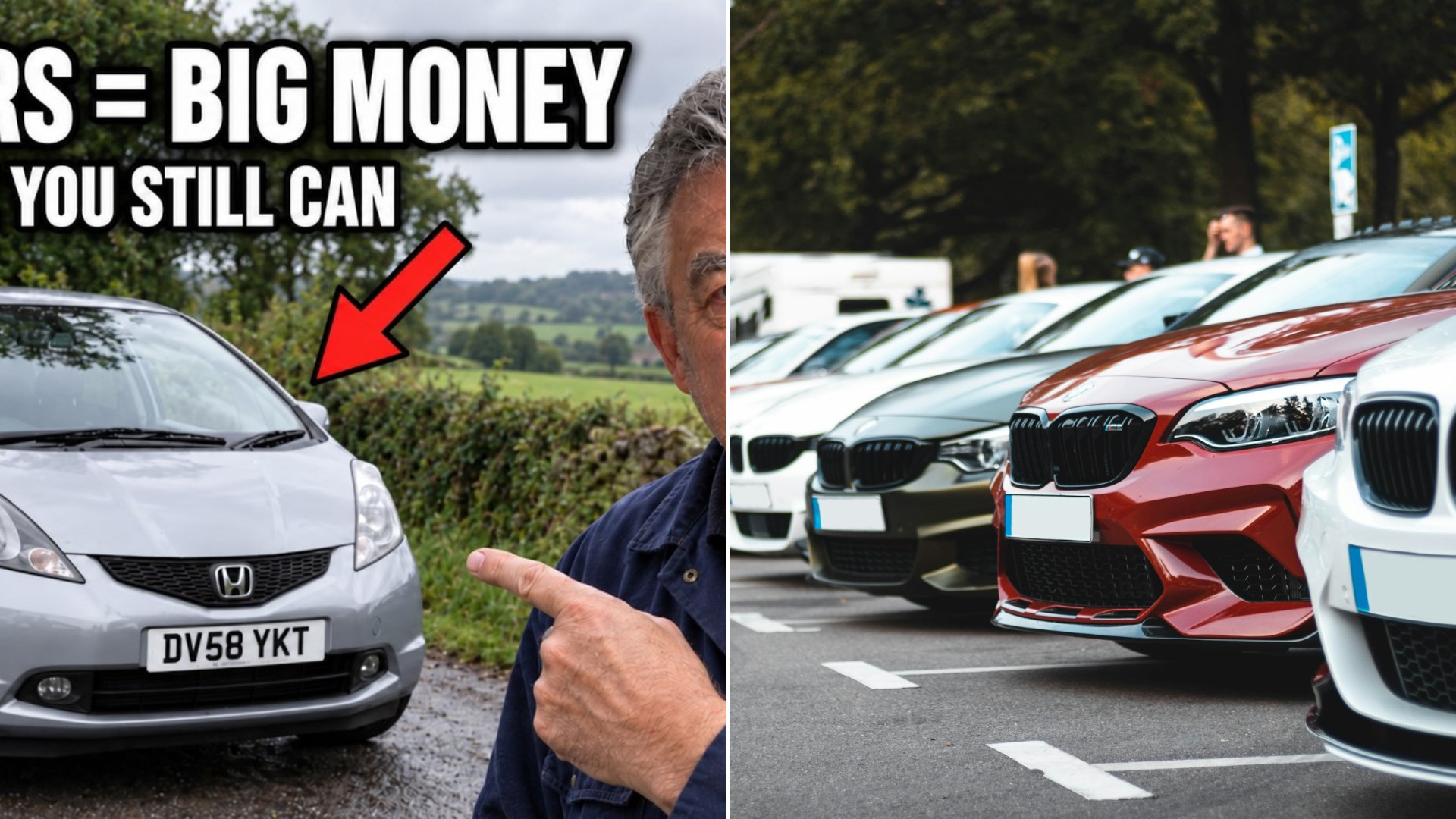
He promises to give every reason, and to name the eight cars he would buy today while the good ones are still out there. His credentials are plain. He spent 20 years behind the service desk, listening to customers, watching what they bought and seeing what it cost them over time.
The Payment Trap
One line in the video stands out. He says to be honest with yourself, because he sat on the other side of that desk for 20 years and watched good, sensible people choose the payment over the car. That is a sentence a lot of readers will recognize. When a car is sold by the monthly figure, it is easy to lose sight of what the whole thing costs. A low monthly payment can hide a long term, a big final bill or a car that is worth much less than you owe.
Then he tells a short story. A customer once asked him what he would do. His answer was that she had spent less on that car in 10 years than her grandson pays for his in one. It is a striking comparison, and it tells you something about the real cost of ownership. The point comes through without any more detail.
Why Mechanics Drive Older Cars
The reasons mechanics often pick older cars are not a secret, and the following ideas are good general advice for any buyer.
- Depreciation does the heavy lifting early. A new car usually loses the most value in its first few years. A car that is already several years old has taken most of that hit, so you are not paying for it.
- Simple is often cheaper to fix. Older models tend to have fewer complex electronics and fewer parts that can only be replaced at a dealer, which can mean lower repair bills.
- Knowledge beats a warranty. A mechanic knows which engines and gearboxes have a good track record and which ones have known weak spots, so he buys the right model, not just any model.
- Maintenance history is gold. A car with regular service records is a far better buy than a newer one that was ignored.
How to Buy a Good Used Car
You do not have to be a mechanic to shop like one. Here is a checklist to carry with you.
- Research the model before you look at the car. Search for common problems on the engine and transmission you are considering, and read owner forums.
- Check the history. Ask for service records, previous owners and any evidence of repairs or accident damage.
- Look for signs of neglect. Dirty oil, worn tires of mismatched brands, warning lights and leaks all tell a story.
- Get a pre-purchase inspection. A local independent mechanic can spot rust, worn suspension and leaks in an hour or less, for a small fee.
- Drive it cold. Start the car from cold, since some problems hide when an engine is warm.
- Do the math. Add up purchase price, insurance, fuel, tires and likely repairs, and compare the true cost, not the monthly number.
Warranty, Insurance and Running Costs
One more thing to weigh is what sits outside the sticker price. A newer car may come with a manufacturer warranty, which is real peace of mind, but it expires, and repairs after that can be expensive. An older car has no warranty at all, so setting aside a repair fund, even a small monthly amount, is a smart habit. Insurance, road tax and fuel economy also differ from car to car, so compare them before you commit. Cheap to buy and cheap to run are not always the same thing.
Buy While the Good Ones Last
The title promises eight cars, and the creator says he would buy them while the good ones are still out there. That phrase is worth noting. Reliable older cars with good maintenance histories do not stay around forever. As the average car on the road gets older, demand for solid examples goes up, and the best ones tend to get snapped up. His full list of eight is in the video, so watch it for his picks.
If you are tempted to stretch for a new car because the monthly payment looks manageable, take a moment to ask what you really need. A good used car, well chosen and well kept, can serve you for years and leave money in your pocket. That is the message from a man who has seen it from behind the desk, and it is one that rings true for many of us.
The next time you see a mechanic pull into the lot in a 15-year-old car, do not feel sorry for him. He probably knows something the rest of us would do well to learn.
More Stories You May Like
- Car Shopper Found Cars That Had Sat on the Dealer’s Lot for Months Already Overpriced and Then the Dealer Said There Was No Wiggle Room at All
- Pickers Checked Out A Hidden Garage Of Cars Next Door Including A Big Block 1967 Chevelle And A 1967 Corvette The Owner Refuses To Put Any Price On
- Man Pays Sixty Five Thousand Dollars For A McLaren Then Gets A Twenty Eight Thousand Dollar Repair Quote And Fixes The Seat Himself For Under Three Hundred