
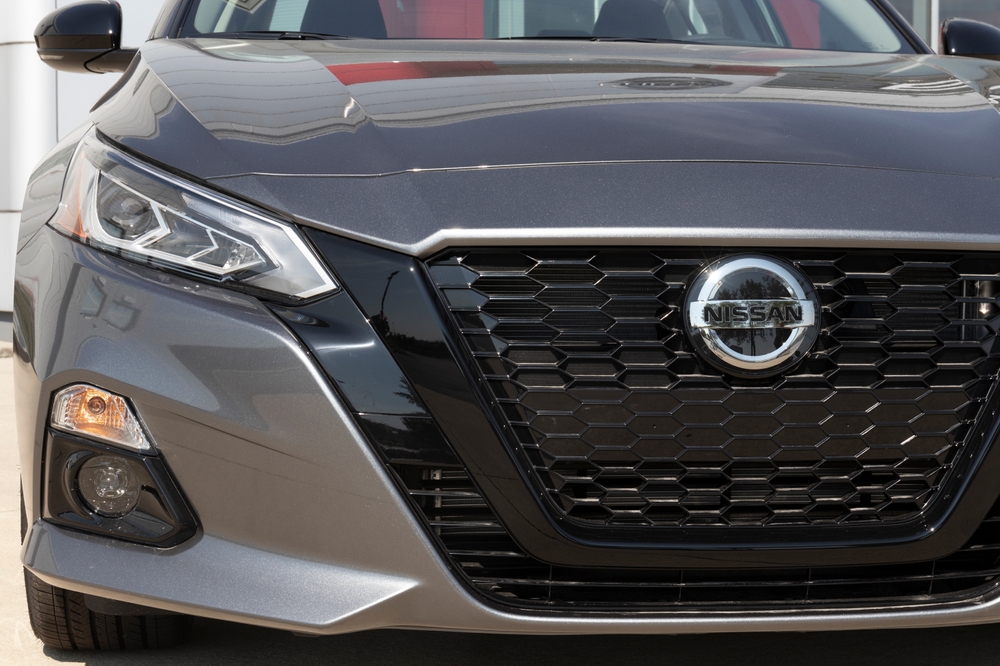

Every mechanic has “that car.” You know, the one that shows up on a tow truck like it’s got a punch card for free diagnostics. It’s not that these vehicles are all terrible—some are genuinely great to drive—but certain models have a habit of returning for the same pricey repair over and over.
To be fair, no car is immune to big-ticket failures, and maintenance (plus a little luck) matters a lot. Still, across shops and forums, patterns emerge—especially with high-stress components like transmissions, timing systems, turbo hardware, and cooling. Here are seven cars mechanics often mention when they talk about repeat expensive problems.
1) Nissan Altima (especially mid-2010s) — CVT transmission failures
If you’ve ever heard a mechanic sigh dramatically when someone says “Altima,” this is usually why. Many Altimas from the 2013–2018-ish era are tied to repeat issues with the CVT (continuously variable transmission), including shuddering, slipping, overheating, and premature failure. The kicker is that a replacement can be several thousand dollars, and the symptoms often return if the underlying heat and wear issues aren’t fully addressed.
Mechanics will tell you the best defense is early fluid service and gentle driving—CVTs don’t love hard launches or towing. But if it’s already whining, juddering, or revving without going anywhere, you’re often looking at major work. It’s one of those repairs that turns a “pretty decent commuter” into a painful financial decision.
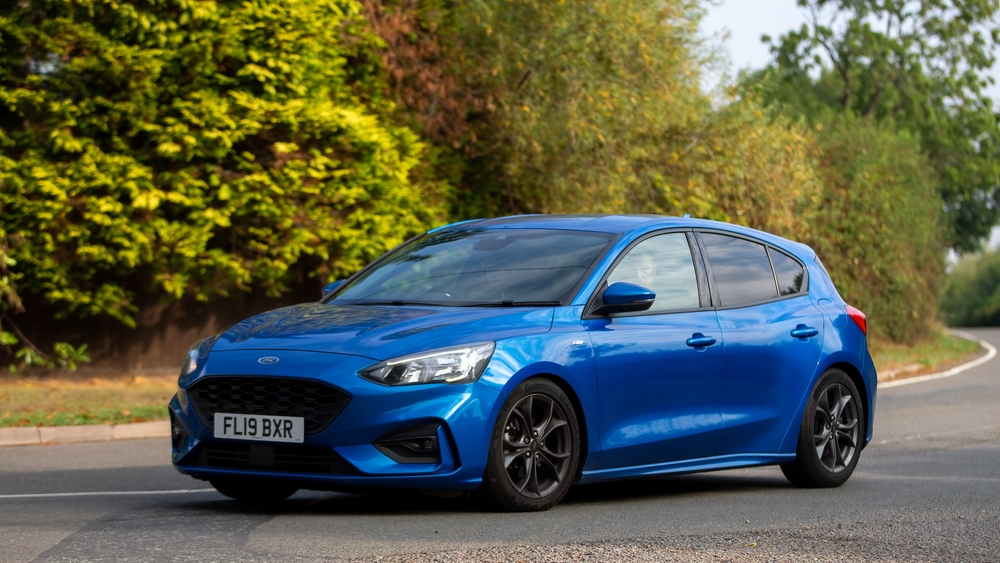
2) Ford Focus (2012–2016) — PowerShift dual-clutch transmission drama
The Focus is a great example of a car that can feel perfectly normal… until it doesn’t. The 2012–2016 Focus with the PowerShift dual-clutch automatic is notorious for shuddering, lurching, rough engagement, and recurring clutch or control-module problems. Shops see a lot of repeat visits because software updates, clutch replacements, and actuator fixes don’t always deliver a long-term cure.
This isn’t your typical “transmission is worn out at 180,000 miles” situation. Some owners dealt with issues at surprisingly low mileage, then dealt with them again later. If you’re shopping used, the safest route is either a manual transmission Focus or a different model entirely.
3) Subaru Outback (certain 2010s models) — oil consumption and CVT concerns
Subaru owners are often loyal for good reason: AWD, practicality, and that “go anywhere” vibe. But some Outbacks (and sibling models) from the early-to-mid 2010s have a reputation for oil consumption problems, where the engine uses oil faster than you’d expect. If it’s not checked regularly, that can snowball into expensive engine damage.
On top of that, some years are also associated with CVT issues, which can mean big repair bills if the transmission starts acting up. Plenty of Outbacks live long, healthy lives—especially with attentive maintenance—but mechanics see enough repeat cases that they mention it in the same breath as “keep an eye on the oil level.”
4) BMW 3 Series (especially N20-era 328i) — timing chain and guide failures
Here’s the thing about a used BMW: it can be an absolute joy until it hands you a receipt that looks like a car payment. Certain 3 Series models with the turbocharged N20 four-cylinder (common in 2012–2016 328i) have been linked to timing chain and timing chain guide problems. If those components wear prematurely, you’re not just fixing a rattle—you’re trying to prevent catastrophic engine damage.
Mechanics see repeat visits because some owners catch it early, do part of the job, and then other related components show up later. The repair is labor-heavy, and “while you’re in there” costs add up quickly. If you’re buying one, service history and preventative work matter more than the paint condition.
5) Volkswagen GTI (some TSI years) — timing chain tensioner and carbon buildup
The GTI is one of those cars that makes errands feel like a hobby. But some TSI-engine GTIs (particularly earlier generations of the chain-driven setups) are known for timing chain tensioner concerns that can escalate fast if ignored. A failing tensioner can lead to timing slip—never a fun phrase when your engine has expensive tastes.
Then there’s carbon buildup on intake valves, a common issue on many direct-injection engines, including various VW/Audi setups. The cleaning isn’t always cheap, and it can come back again down the road depending on driving style and maintenance. Mechanics often joke that some GTIs basically “schedule” their next carbon cleaning.
6) Jeep Grand Cherokee (various years) — electrical gremlins and air suspension bills
The Grand Cherokee is comfortable, capable, and very good at convincing people they need to go camping more. But it’s also one of those SUVs mechanics see repeatedly for electrical issues—everything from sensor faults to intermittent warning lights that disappear the moment you pull into the shop (classic). Chasing electrical problems can get expensive fast, mostly because diagnosing them takes time.
If you’ve got a trim with air suspension, that’s another wallet-watcher. When air struts, compressors, or related components start failing, the ride can sag, throw codes, or cycle the compressor to death. It’s not that every Grand Cherokee will do this, but enough do that mechanics keep the conversation ready.
7) Mini Cooper (especially turbo models) — cooling system and oil leak repeat repairs
Minis are charming in a way that feels almost unfair. They’re small, quick, and have personality—right up until you’re pricing out another cooling system repair. Turbocharged Mini models in particular have a reputation for recurring issues with thermostats, water pumps, plastic coolant fittings, and the general “why is it leaking again?” experience.
Oil leaks are also a frequent theme, and because the engine bay is tight, labor can add up in a hurry. Mechanics often see Minis return because one leak gets fixed, then another gasket or seal starts weeping soon after. It’s not impossible to keep one happy, but you have to be the kind of person who treats maintenance like a routine, not a surprise.
What mechanics wish every buyer knew
First, don’t confuse “common problem” with “guaranteed doom.” A well-maintained example of any of these cars can be fine, and a neglected “reliable” model can be a disaster. The difference is that these seven have expensive issues that tend to repeat, and repeat visits are what make owners feel cursed.
If you’re shopping used, ask for service records, look up the powertrain specifics (engine code and transmission type matter), and pay for a pre-purchase inspection. If you already own one of these models, stay aggressive with fluid changes, cooling system health, and early warning signs—because the cheapest time to fix a big problem is usually before it becomes one.
More from Steel Horse Rides: