
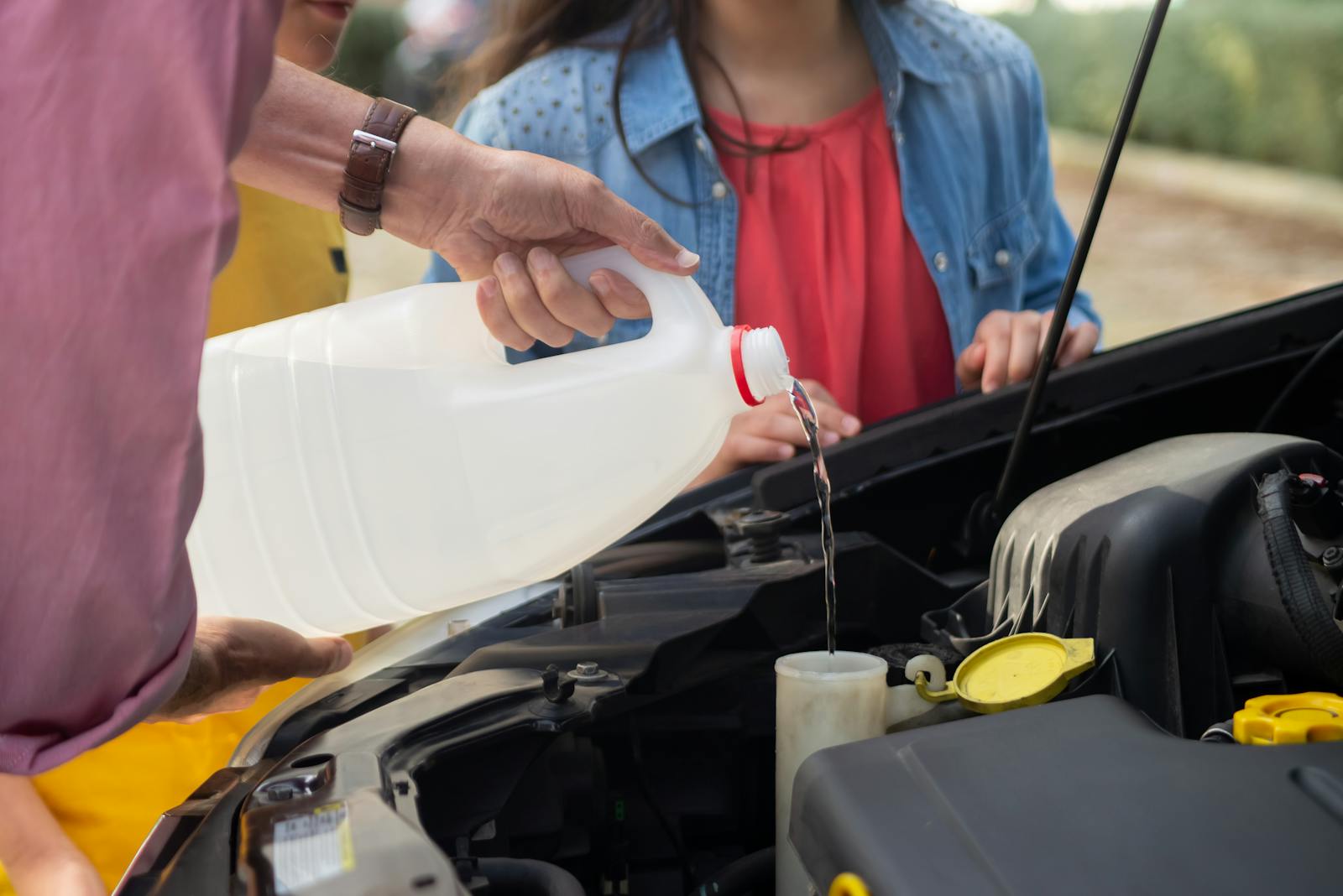

You know that moment when you pull out of the driveway and notice a mysterious puddle where your car just was? It’s equal parts “huh” and “oh no.” Mechanics will tell you the same thing: weird fluids are often the earliest, loudest clue that something’s about to get expensive if you ignore it.
The good news is you don’t need a shop lift or a degree in engineering to do a quick sanity check. Color, smell, texture, and where the drip shows up can narrow things down fast. Here are seven fluids mechanics pay attention to first—and what they usually mean.
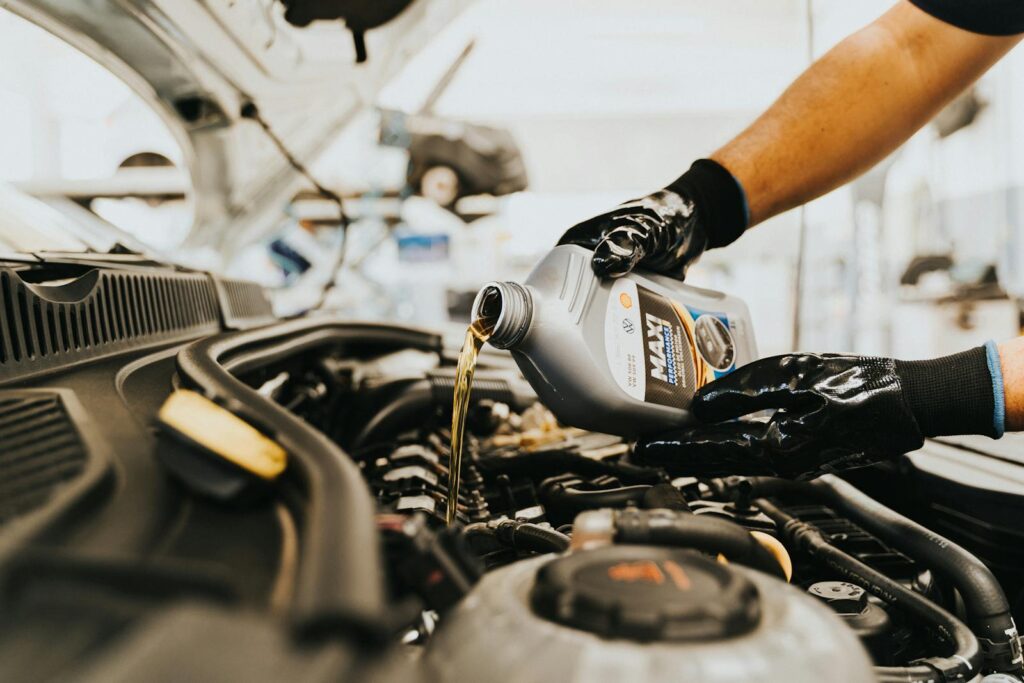
1) Engine oil: the classic “don’t ignore me” leak
If you see a dark brown or black puddle that feels slick between your fingers (yes, carefully), engine oil is the usual suspect. Fresh oil can look amber or honey-colored, but it darkens quickly once it’s been circulating. The spot often shows up near the middle-front of the car, though airflow and underbody panels can make it travel.
Oil leaks can be “small but urgent” because the real danger is running low without realizing it. Common culprits include a worn oil pan gasket, valve cover gasket, or a loose drain plug after an oil change. If the oil light comes on, stop driving—because that’s not a “schedule it next week” situation.
2) Coolant: bright colors, bad outcomes if it’s disappearing
Coolant tends to be neon—green, pink, orange, or blue—so it often looks like a car just spilled sports drink. It can smell a little sweet, and it may feel slightly slippery. You’ll often find it near the front of the car, where the radiator, hoses, and water pump live.
Mechanics get extra serious about coolant leaks because overheating can warp engine components fast. A tiny seep from a hose clamp can turn into a burst hose at the worst possible time (traffic, heat wave, uphill—pick your nightmare). If your temperature gauge is climbing or you see steam, pull over and shut the engine off.
3) Transmission fluid: red isn’t always festive
Transmission fluid is usually red or reddish-brown and has a slick, oily feel. If it’s leaking, you might notice spots closer to the middle of the car, and the fluid can look thinner than engine oil. Some people describe the smell as “burnt” when the transmission is running hot.
A transmission that’s low on fluid can start slipping, shifting hard, or hesitating—symptoms that tend to get worse quickly. Leaks can come from a pan gasket, cooler lines, axle seals, or even a damaged case. Translation: if you see red drips and your shifts feel weird, don’t keep testing your luck.
4) Brake fluid: clear to amber, and it’s a real safety issue
Brake fluid is usually clear to yellowish-amber and feels slick, but not oily in the same way as motor oil. It can show up near a wheel (caliper/wheel cylinder area) or under the driver’s side where brake lines run. It’s also pretty good at stripping paint, which is a fun bonus nobody asked for.
Any brake fluid loss is a big deal because your braking power can drop without much warning. If your brake pedal feels spongy, sinks toward the floor, or a brake warning light pops on, it’s time to stop driving and get it checked. This is one of those “tow it” moments if the leak seems active.
5) Power steering fluid: the groan you hear before you see it
On many vehicles (especially older ones), power steering fluid is amber or reddish and can leak near the front of the engine bay. You might notice it after hearing a whining sound when turning, or feeling the steering get heavier—like the car suddenly wants you to build upper-body strength. The leak often comes from hoses, seals, or the power steering pump itself.
Some newer cars use electric power steering and don’t have this fluid at all, so if you’re not sure what your car has, a quick look at the owner’s manual helps. If it does use fluid, running low can damage the pump. A small leak today can turn into an expensive, noisy mess tomorrow.
6) Fuel (gasoline or diesel): the one you should treat like an emergency
Fuel leaks don’t always leave a colorful puddle. Sometimes it’s a wet spot that evaporates fast, or you just smell gasoline strongly around the car—especially near the rear (tank area) or along the side (fuel lines). Diesel tends to smell oilier and linger longer.
Mechanics don’t debate this one: if you suspect a fuel leak, don’t drive it. Fuel + heat + sparks is a combo nobody wants to experience. Get the car towed and have a shop check the lines, tank, injectors, or fuel filter area depending on where the smell is strongest.
7) A/C condensate water: the “false alarm” puddle (usually)
Not every puddle means doom. If you see clear water dripping under the passenger side after running the A/C, that’s often just condensation draining normally. It’ll be odorless, not oily, and it won’t feel slick—basically like your car is sweating, which is relatable.
That said, water inside the cabin or a musty smell can mean the A/C drain is clogged, causing it to back up. And if the “water” feels oily or has a strange color, it may not be water at all. When in doubt, a white paper towel under the drip can help you see what you’re dealing with.
How mechanics do a quick “fluid ID” check
If you want to play detective for 60 seconds, put a piece of cardboard under the engine overnight and check it in the morning. Look at the color, touch it lightly with a glove or paper towel, and notice the smell (carefully—no deep inhaling under a running car). Location matters too: front vs. middle vs. rear can narrow the system down fast.
And here’s the slightly opinionated truth: topping off a fluid is sometimes fine as a temporary move, but it’s not a fix. Fluids don’t vanish because they’re bored—they leave because something’s worn, loose, cracked, or failing. Catching that early is the difference between a reasonable repair and a story you tell forever.
More from Steel Horse Rides: