
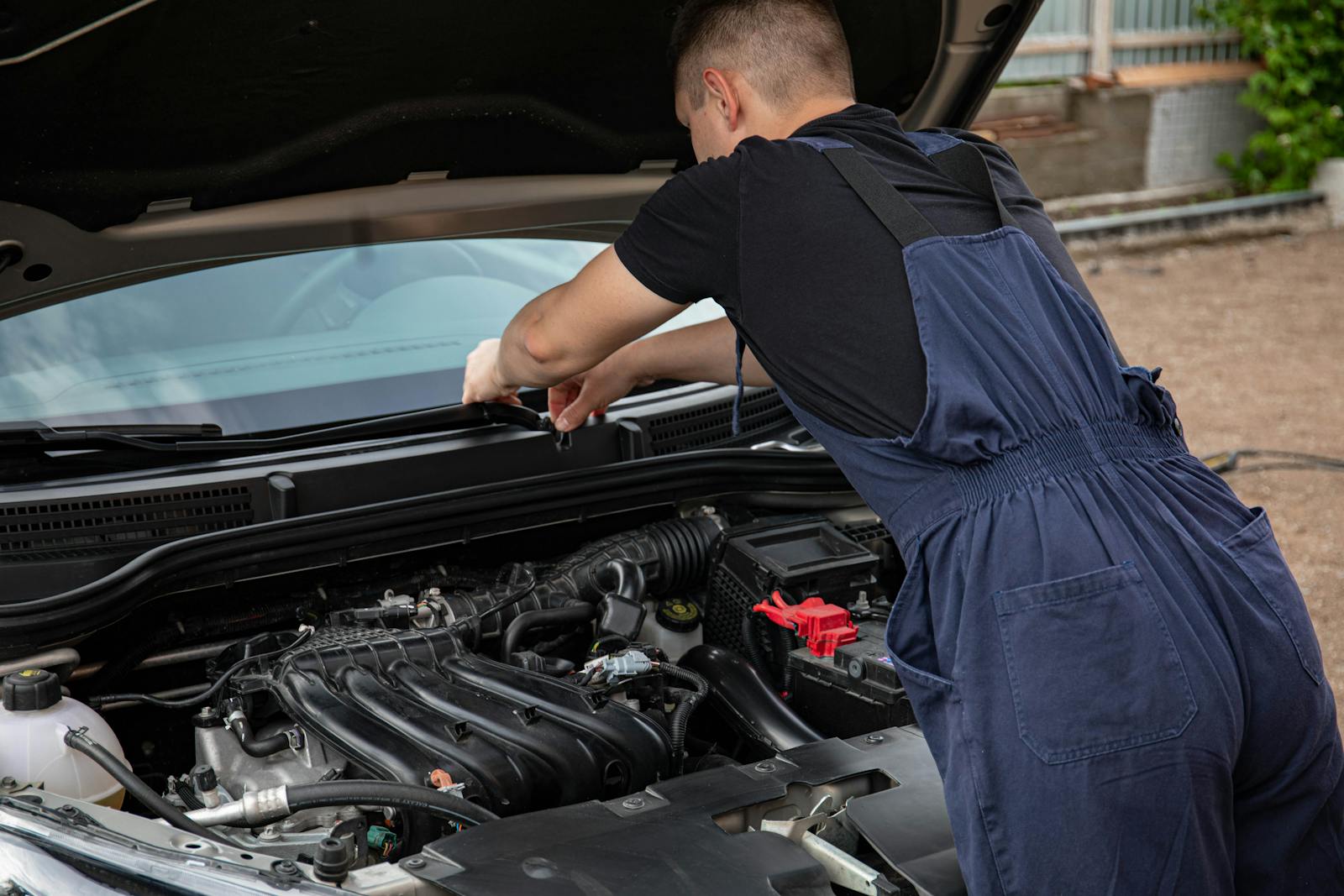

Everybody loves a bargain, especially when your car starts making a weird noise right when your budget’s already doing its own weird noise. And sure, there are plenty of smart ways to save money on maintenance. But mechanics say some “cheap fixes” have a nasty habit of looking like a deal today… and turning into a much bigger bill a few months later.
Think of these like the automotive version of buying flimsy shoes: you save $40 up front, then you’re paying for blisters (and replacements) later. Here are six common shortcuts mechanics see all the time—plus what to do instead if you want to save money without playing repair roulette.
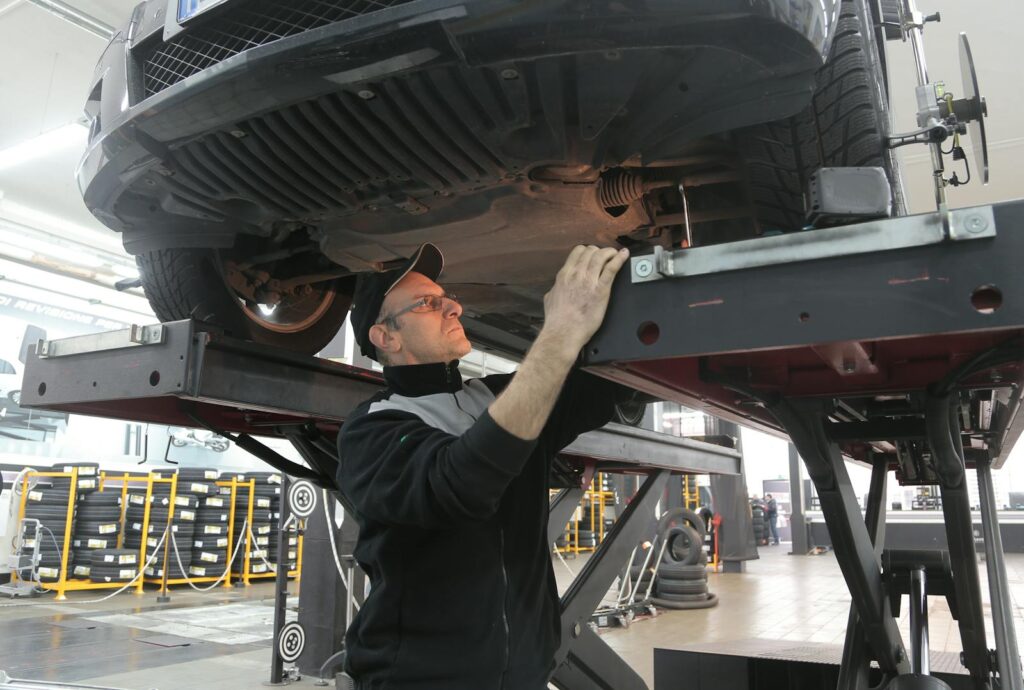
1) Pour-in “stop leak” products
If you’ve ever spotted a coolant or oil leak and then seen a bottle promising to “seal it instantly,” you’re not alone. Stop-leak additives can sometimes slow a small seep long enough to get you home. The problem is they don’t just seal the leak—they can also gum up small passages in your radiator, heater core, thermostat, or even the engine’s cooling channels.
Mechanics often find these products turn a simple hose, gasket, or radiator repair into a full cooling-system overhaul. If you need a short-term fix to avoid a tow, fine—just treat it like a temporary bandage. The real money-saver is finding the actual source of the leak and fixing that, before the overheating starts costing you head gaskets and warped parts.
2) Ignoring a small misfire and swapping only one spark plug
A check-engine light that flashes or a rough idle can tempt people into the cheapest possible move: replacing just the one spark plug that “must be bad.” Sometimes that works for a minute, but engines don’t love uneven wear. If one plug is worn out, the rest are usually not far behind—and the coil boots, wires, or ignition coils may be aging too.
Here’s where it gets pricey: driving with a misfire can dump unburned fuel into the catalytic converter, which can overheat and fail. A set of plugs (and possibly coils) is a lot cheaper than a catalytic converter replacement. If your car’s due for plugs based on mileage, doing the full set—using the correct type—is usually the best long-term deal.
3) Buying the absolute cheapest brake pads (and skipping hardware)
Brake pads are one of those parts where the low price can be weirdly seductive. The cheapest pads often have less consistent friction material, more noise, more dust, and they can wear down quickly. Even worse, they can generate extra heat, which accelerates rotor wear and can contribute to vibration or brake fade.
Mechanics also point out that people try to save a few bucks by reusing old caliper hardware or skipping pad lubrication where it’s required. That’s how you end up with sticking pads, uneven wear, and that lovely squeal that turns heads in every parking lot. Mid-grade pads from a reputable brand—and new hardware when recommended—usually cost a bit more today and a lot less over the life of the brakes.
4) “Just patch it” tire repairs in the wrong spot
Not all tire punctures are equal. A proper repair (done from the inside with a patch-plug combination) in the tread area can be totally safe. But when a puncture is near the sidewall or shoulder, or the tire’s been driven on while low, “cheap” fixes can become dangerous ones.
Mechanics and tire techs see folks roll in with sidewall plugs, repeated patches, or slow leaks that keep getting topped off—until a blowout or a shredded tire shows up on the highway. That kind of failure can damage wheels, suspension parts, and bodywork in seconds. If a shop tells you it’s not repairable, they’re not trying to upsell you; they’re trying to keep physics from sending you an invoice.
5) Skipping transmission fluid service because it’s “lifetime”
“Lifetime transmission fluid” sounds great, right up until you realize “lifetime” sometimes means “the lifetime of the warranty.” Many modern transmissions are sensitive, expensive, and run hot—especially if you sit in traffic, tow, or live somewhere with real seasons. Old fluid can lose its protective qualities and contribute to harsh shifting, slipping, or accelerated internal wear.
The cheap fix here is doing nothing, because nothing costs $0. The expensive sequel is a transmission rebuild or replacement that costs thousands. The smarter play is checking your owner’s manual (or a reputable service schedule) and doing the correct fluid service at reasonable intervals, with the right fluid spec—because “close enough” doesn’t exist in transmission land.
6) Using bargain sensors and “mystery brand” electrical parts
When an oxygen sensor, mass airflow sensor, or crank sensor fails, online prices can range from “pretty reasonable” to “how is this cheaper than lunch?” The ultra-cheap sensors often cause weird drivability issues, repeat check-engine lights, and poor fuel economy—sometimes because they’re inaccurate, sometimes because they fail early, and sometimes because they were never compatible in the first place.
Mechanics end up chasing ghosts: extra diagnostic time, extra parts, and a frustrated driver who’s already paid once. In a lot of cases, the best value is OEM (original) or a known high-quality aftermarket brand, especially for sensors. Paying a bit more for parts that actually talk the same “language” as your car’s computer can prevent the kind of repeat visits that drain both wallet and sanity.
How to save money without getting burned
If all of this sounds like “everything cheap is bad,” it’s not. The real lesson mechanics repeat is simple: cheap is fine when it’s temporary, low-risk, and doesn’t create collateral damage. Cheap is a problem when it masks symptoms, increases heat or friction, or risks a chain reaction.
A good rule of thumb: if the part affects safety (tires, brakes), cooling (overheating risk), or emissions/engine operation (misfires, sensors), don’t gamble on the lowest bidder. Ask a shop what happens if the fix fails—and what it could take with it. The best repair isn’t always the most expensive one; it’s the one you only have to pay for once.
More from Steel Horse Rides:
- 13 Most Powerful Muscle Cars of All Time
- 13 Underrated JDM Cars That Deserve More Love
- 15 JDM Cars That Were Illegal in the U.S.
- 13 SUVs From the ’90s That Are Surprisingly Cool Today