
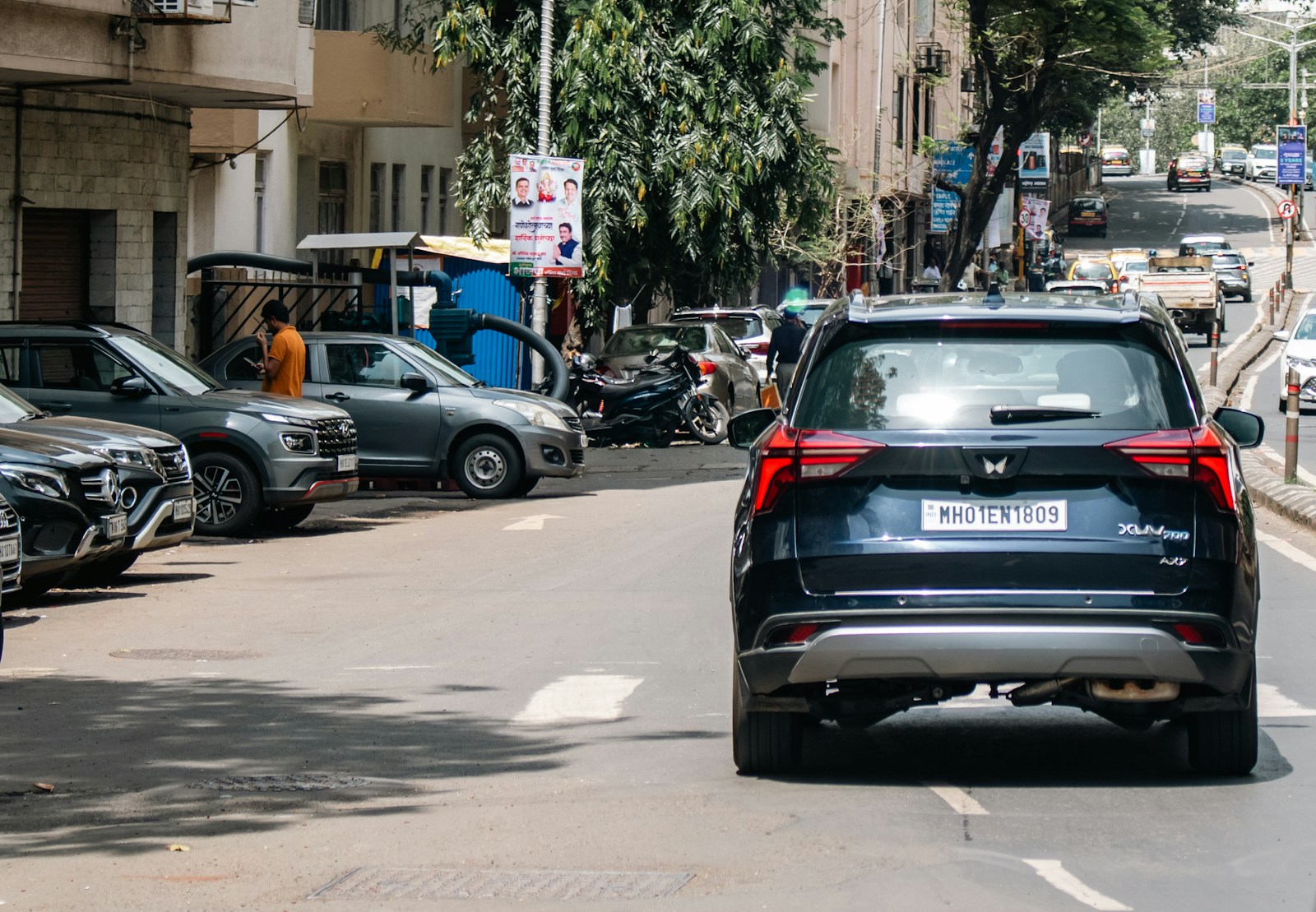

Roughly one in five vehicles on American roads right now — 58.1 million of them — is carrying at least one open safety recall that was never fixed, according to CARFAX data released in January 2025. More than 14 million of those vehicles have two or more unresolved recalls stacked on top of each other, and the total has climbed 16% in just two years. The fix for most of it costs the owner nothing but a phone call and about 30 seconds spent on a government website most drivers have never opened.
The Completion Rate Drops Off a Cliff as Cars Age
NHTSA’s own numbers explain why so many recalls sit open for years. In an April 2026 report to Congress, the agency found a weighted-average completion rate of just 65.8% for vehicle-only recalls issued between 2012 and 2022 — meaning roughly a third of recalled vehicles never get repaired at all, even after the campaign matures. That average hides a steep age curve: vehicles zero to three years old get fixed around 87% of the time, but completion rates fall off sharply the older a car gets, largely because owners move, sell the vehicle, or stop opening mail from the manufacturer. CARFAX’s own breakdown, cited in the same January 2025 release, lines up almost exactly — 83% completion on new vehicles, dropping to 44% for cars five to ten years old, and just 15% for anything more than a decade on the road.
Why So Many Owners Never Even Hear About It
A lot of the gap isn’t apathy — it’s a broken mail chain. NHTSA’s report to Congress found that one manufacturer discovered around 45% of owners with open recalls might not have been receiving notifications at all, largely because vehicles change hands and owner records go stale. The same report pegs up to 30% of older recalled vehicle populations as effectively “unreachable” through standard mailed notices. That’s a meaningful share of the 58.1 million-vehicle backlog that isn’t sitting unrepaired because someone ignored a letter — it’s sitting unrepaired because the letter never had a chance to arrive.
What Actually Moves the Needle
NHTSA’s report also points to tactics that dramatically outperform a standard recall postcard. State DMV outreach paired with registration renewals produced repair rates two to three times higher than manufacturer notification alone, with one pilot program topping a 300% increase. Virginia’s E-Z Pass toll authority, which can flag a vehicle every time it passes a tollbooth, achieved completion rates eight to ten times higher than other outreach channels. One automaker’s co-branded mailing with an insurance partner scored a 350% higher completion rate than its standard letters. The common thread: recall completion jumps whenever the reminder shows up somewhere the owner is already looking, instead of competing with junk mail.
The 30-Second Fix Almost Nobody Uses
None of that outreach engineering matters if a driver never checks in the first place, and checking is genuinely fast. NHTSA’s own VIN lookup tool at nhtsa.gov/recalls takes a 17-character vehicle identification number — printed where the dashboard meets the windshield on the driver’s side, or on the registration card — and returns a plain answer: either “0 unrepaired recalls associated with this VIN,” or a list of exactly what’s open and needs attention. It also accepts a license plate number if the VIN isn’t handy. The lookup won’t surface recalls that are already repaired, campaigns older than 15 years, or a handful of ultra-low-volume luxury and specialty brands, but for the overwhelming majority of cars on the road it’s a direct, no-login, no-cost answer in less time than it takes to find a parking spot. Once a recall is confirmed, the dealer performs the repair at no charge to the owner — the manufacturer foots the bill, not the driver.
The Scale Keeps Growing, Not Shrinking
New recalls keep adding to the pile faster than old ones get cleared. NHTSA processed 1,073 recalls covering more than 35 million vehicles and pieces of equipment in a single recent year, and the agency typically issues more than 300 unique light-vehicle recall campaigns annually, touching upwards of 20 million vehicles, per its own recall completion report. Even long-running campaigns haven’t caught up: the Takata airbag inflator recall, one of the largest in automotive history, still has millions of affected vehicles unrepaired years after the defect was confirmed to have caused dozens of deaths.
A recall notice that never gets read doesn’t stop being a safety defect just because it’s been forgotten. The gap here isn’t a lack of a fix — it’s a lack of a habit, and the habit costs less time than reading this paragraph did.