
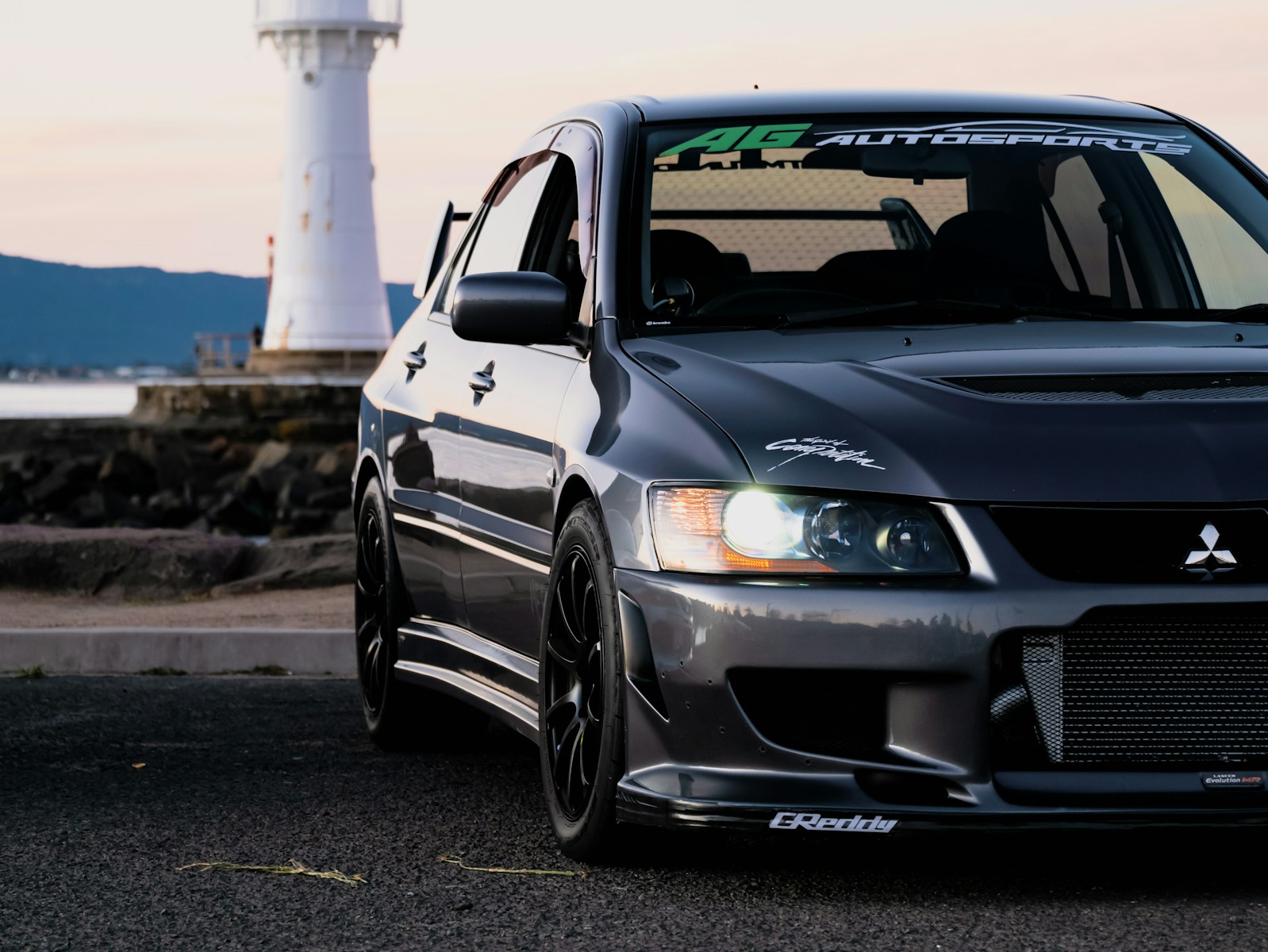

A 2006 Mitsubishi Lancer Evolution IX MR with 461 miles on it sold for $168,600 with fees on Bring a Trailer in December 2024 — more than three times what a clean, higher-mileage Evo IX typically brings. That single sale, and the pattern of auction results building around it, is why Hagerty now describes the Evo and its longtime rival, the Subaru WRX STI, as cars that are “gaining market traction” rather than simply depreciating econo-sedans with turbochargers bolted on.
The Evo IX Record Says More Than the Headline Number
Before that December 2024 sale, the biggest number anyone could point to for an Evo IX was a nine-mile example that brought $138,000 on eBay back in 2017, according to reporting on the December sale. Seven years and one platform migration later, a car with 452 more miles on the odometer beat that number by $30,000. Everyday examples haven’t followed at the same pace — typical clean Evo IXs still trade in the $40,000-$50,000 range, and market data shows an average sale price of roughly $43,400 for the generation. What’s changed is the ceiling, not the floor: the ultra-low-mile, unmolested cars are pulling away from the pack fast enough that the gap between “nice driver” and “investment grade” has widened into six figures.

The STI Is Climbing the Same Ladder
Subaru’s side of the rivalry is following an almost identical script. Hagerty documented a 2004 WRX STI selling for $112,000 — a genuine six-figure result for a car that stickered for around $32,000 new. And at the very top of the range, Subaru’s homologation-special 22B STI has cleared even loftier territory: a 25,000-mile example sold for $317,555 on Bring a Trailer, a result Hagerty called the first time a 22B had come up at public auction in the U.S., as covered in their coverage of that sale. Between the mainstream STI and the halo-spec 22B, Subaru’s rally-bred sedans are proving they can command real money across more than one tier of the model line, not just at the absolute top.
Why These Two Cars Specifically
The Evo and the STI spent a decade and a half defined entirely by each other. Every magazine comparison test, every rally-inspired ad campaign, and every parking-lot argument about all-wheel-drive turbo sedans ran through both nameplates simultaneously, and that shared identity appears to be carrying into the collector market the same way. Hagerty’s own framing treats the two as a matched pair rising together — “revenge of the rally cars,” as the outlet titled its analysis — rather than as separate, unrelated trends that happen to be moving the same direction. That’s a meaningfully different story than what happened with, say, a JDM coupe that got expensive on its own merits. The Evo and STI are appreciating as a rivalry, which is part of why buyers who wanted one in high school now have both cars on their shopping list simultaneously instead of picking a side.
What’s Actually Driving the Curve
The mechanics are straightforward once you look at who’s buying. The generation that grew up wanting these cars in video games and import tuner magazines is now in its late thirties and forties, with the income to buy back the poster on the wall — and unlike a lot of 2000s performance cars, both the Evo and STI were sold in genuinely limited numbers relative to demand, especially in their highest trims. The Evo IX MR, the 22B, and other flagship variants were never mass-market propositions even when new, which means the supply of pristine, low-mile survivors was always going to be small. Combine constrained original supply with a wave of nostalgia-driven buyers who have real purchasing power, and the six-figure results stop looking like outliers and start looking like where this market segment was always headed.
The Ceiling Still Has Room to Move
Compare either car to what’s already happened in the JDM coupe world and the ceiling starts to look conservative rather than inflated. Buyers who got priced out of six-figure Skyline and NSX money years ago are exactly the demographic now bidding up four-door sedans that used to be considered practical daily drivers with a turbo attached. Neither the Evo nor the STI has anything close to the mystique or the production scarcity of Japan’s true halo cars, which is precisely why their current numbers still read as reasonable to people who’ve been watching the broader JDM market for the better part of a decade.
The Takeaway for Anyone Watching This Space
What’s happening with the Evo and STI isn’t a bubble built on hype — it’s two nameplates with genuinely limited original production numbers meeting a buyer pool that finally has the money to chase them, and the auction results are simply catching up to that math a couple of decades later than anyone expected.