

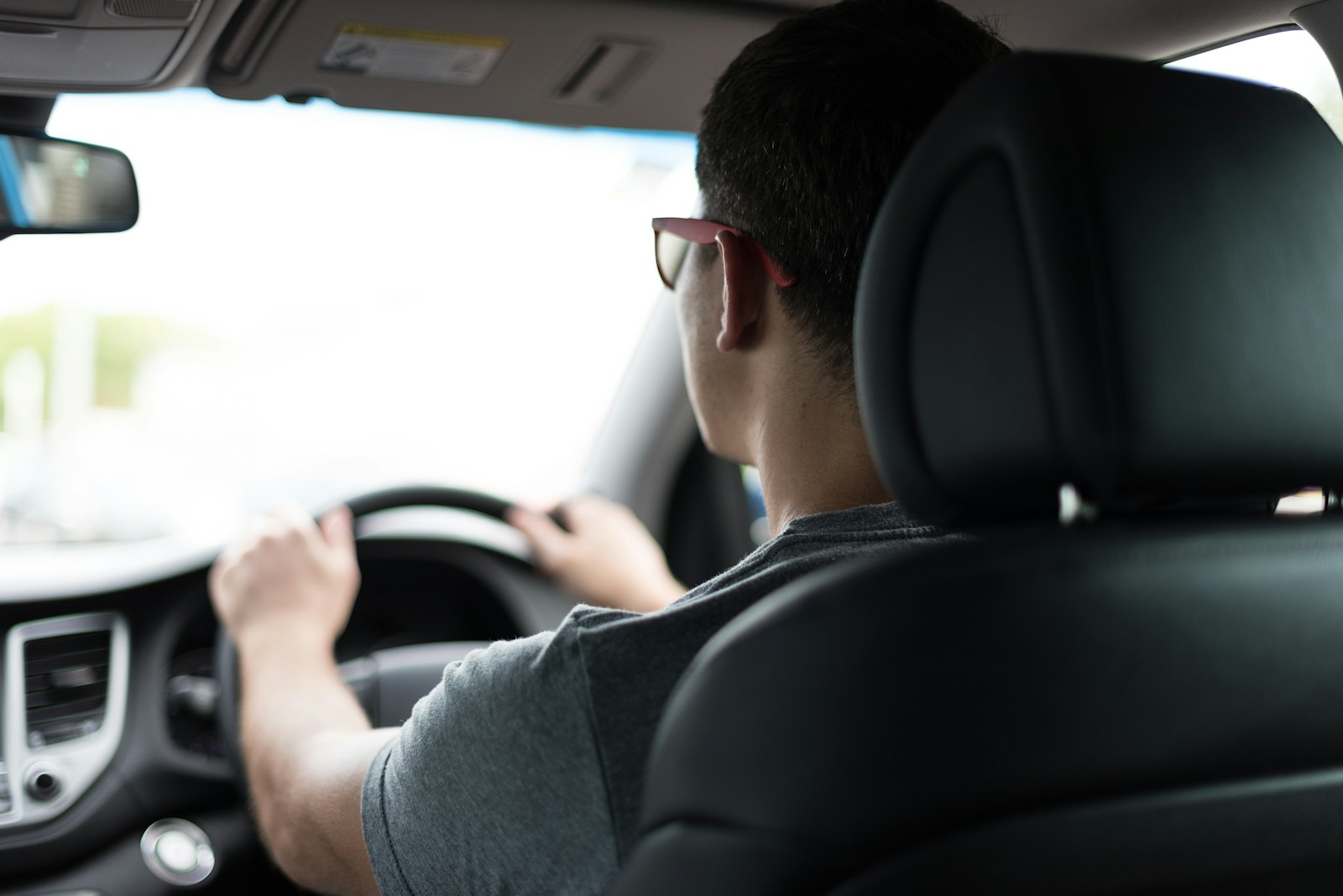
It started with a set of keys tossed onto a kitchen counter like they were nothing. The mom—mid-40s, always busy, always convinced she could “handle it”—had a teenager who’d been begging to drive by himself for months. He had a learner’s permit, not a license, and a whole lot of confidence from empty parking lots and short spins around the neighborhood with her in the passenger seat.
That afternoon, she had errands stacked up and a headache brewing, and her son had somewhere he wanted to be. He wasn’t asking to take the highway, he said. He wasn’t going far. Just to his friend’s place and back, ten minutes each way. She hesitated long enough to put on a show of being responsible, then slid the keys toward him with a warning that sounded more like a dare: “Don’t do anything stupid.”
By the time the car rolled back into the driveway, the stupid had already happened. The front bumper was misaligned, the right headlight looked like it was squinting, and there were fresh streaks of someone else’s paint along the passenger side. The teen’s face had that pale, tight look people get when they’ve made a huge mistake but are still hoping it can be talked into being small.
The “Quick Trip” That Wasn’t So Quick
He didn’t even get his backpack all the way off before his mom was outside, circling the car with her arms crossed. At first he tried the classic move: act casual, talk fast, pretend the damage is old or insignificant. He pointed vaguely down the street and said it “just happened” when a car “came out of nowhere.”
But the details didn’t match the damage. The scrape was long and low, like he’d dragged the side of the car along something that wasn’t moving. He kept repeating that the other driver “was parked wrong” and “sticking out,” as if a vehicle being inconveniently positioned was the same thing as it leaping into his path.
His mom latched onto that instantly. She didn’t ask, “Were you looking?” or “How fast were you going?” She asked, “Where exactly was this parked car?” Then she grabbed her phone, keys in hand again, and told him to get in. Not to go exchange information, not to do the right thing, but to go “sort it out.”
Finding the Parked Car and the Owner
They drove back to the street he’d indicated, rolling slowly like they were hunting for a suspect. The teen sat rigid in the passenger seat now, staring straight ahead. When they found it, it was obvious: a small sedan parked along the curb in front of a row of townhouses, sitting neatly between a driveway and a fire hydrant.
There was a dent and a smear of their car’s paint on the rear quarter panel, right where you’d expect if someone misjudged their distance while squeezing past. No note. No attempt to knock on doors. Just a hit, then a retreat back home to see if mom could magically make it not count.
The mom parked their damaged car right behind the sedan like she was claiming the scene. She got out first, shoulders squared, already rehearsing the story she wanted to tell. She marched up to the nearest door and started knocking like she was the one who’d been wronged.
When the owner came out—an adult who looked like they’d been interrupted mid-task—the mom jumped straight into accusation mode. She gestured at the curb and said the sedan was “too far out” and “a hazard.” The owner looked from the parked car to the scraped-up car behind it and then back at her, trying to understand why they were being scolded for existing.
The Moment the Story Starts Falling Apart
The owner asked the obvious question: “Who was driving?” The teen’s mom didn’t answer right away. She stepped slightly in front of her son, as if her body could block the truth, and said, “He was just going by slowly and your car was sticking out.”
The owner’s eyes narrowed, and they asked again, more directly. The teen mumbled that he’d been driving. The owner’s expression changed—not into rage, exactly, but into that careful, controlled look people get when their brain starts listing consequences in real time.
“Does he have a license?” the owner asked. It wasn’t a gotcha question; it was practical. You could almost see them calculating insurance claims and paperwork. The teen’s mom made a short, dismissive sound and said, “He has a permit,” like that was close enough to “yes” to count.
That’s when the owner asked where the supervising adult was. The mom’s mouth opened, then shut. She tried to pivot by saying the permit was “basically for learning” and he was “practically licensed anyway,” which is the kind of logic that only works inside your own head. The owner looked at the teen, then at the mom, then down at their own dented car with a slow exhale.
Blame-Shifting Turns Into a Standoff
The owner pulled out their phone and said they were calling the police to make a report. The mom immediately went from confident to offended, like the owner had threatened to call the cops over a scratch on a shopping cart. She said it was “unnecessary,” that they could “handle it privately,” that the owner was “being dramatic.”
But she still wouldn’t offer insurance information. Instead, she started circling back to the same argument: the sedan was “parked wrong,” “too close to the corner,” “too far from the curb,” whichever version sounded best in the moment. The problem was that the curb line, the driveway, the space around the sedan—everything about the scene screamed normal, legal parking.
The teen, meanwhile, had stopped talking entirely. He stared at the ground, jaw clenched, hands shoved in his hoodie pockets. Every so often he glanced at his mom with a flicker of panic, like he wanted her to stop making it worse but didn’t have the courage to tell her to.
When the owner said, calmly, that an unlicensed teen driving alone was a serious issue, the mom snapped back, “He’s not unlicensed, he’s just not fully licensed.” She said it like she’d found a loophole. The owner didn’t argue; they just kept tapping on their phone, giving details to someone on the other end.
The Fallout Nobody Can Talk Their Way Out Of
Once the police were involved—even just the idea of them—the mom’s strategy shifted again. She started trying to coach the teen right there on the sidewalk, quietly at first, then more insistently when he didn’t respond the way she wanted. “Just tell them you were pulling over and they were too far out,” she murmured, like she was helping him remember what happened instead of inventing it.
The owner heard enough to raise their eyebrows and step a little farther away, keeping the interaction clean. They asked for photos of both cars, took their own, and stayed focused on documentation. The mom kept trying to pull the conversation back into a debate, as if she could win the argument and erase the damage.
When an officer finally showed up, the mom did that performative politeness some people switch on when authority arrives. She talked fast, framed everything as a misunderstanding, and tried to present herself as cooperative while still insisting the parked car was “the real problem.” The officer asked for the teen’s license, and the kid had nothing to hand over besides a learner’s permit.
At that point, the air changed. The officer didn’t need a dramatic speech; the facts were enough. A minor collision became a much bigger issue because the teen shouldn’t have been alone behind the wheel in the first place. The mom’s face tightened when she realized the conversation wasn’t about curb distance anymore—it was about her decision to hand over the keys.
They left that street with more than a scraped bumper to deal with: a report filed, insurance complications hanging in the air, and the uncomfortable knowledge that the mom’s instinct wasn’t to protect her kid by teaching him accountability, but to protect herself by blaming someone who wasn’t even in their car. And the most awkward part was how the teen looked on the ride home—less angry than embarrassed, like he finally understood his mom couldn’t talk her way out of every consequence, even if she was willing to try.