
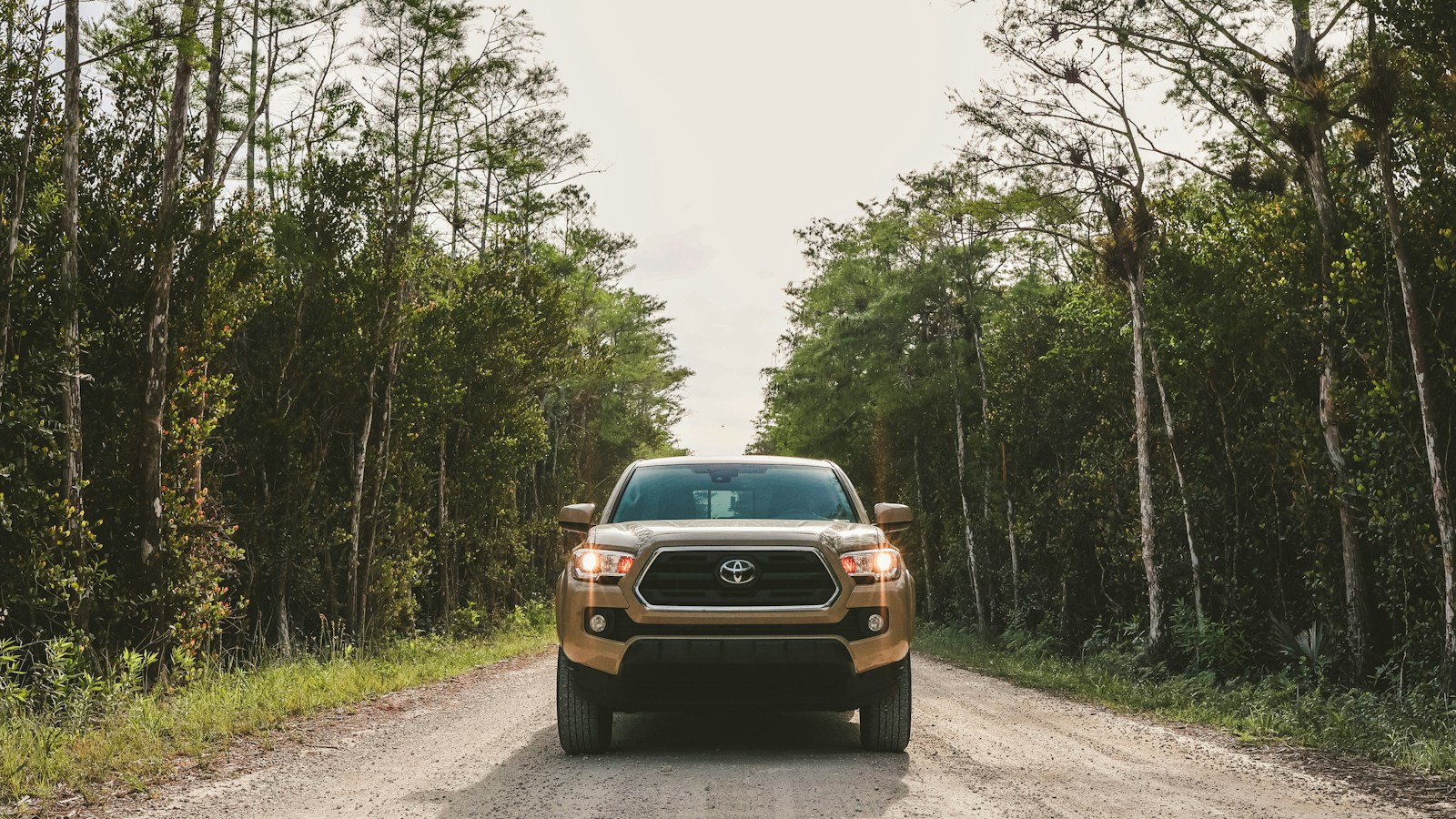

Honda’s redesigned Passport TrailSport lists 8.3 inches of ground clearance and a 5,000-pound tow rating, but Toyota’s own published specifications put the comparably positioned 4Runner TRD Off-Road ahead on both numbers, with 9.1 inches of clearance and a maximum tow rating of 6,000 pounds, according to each automaker’s own spec sheets.
Key Points
- The redesigned 2026 Passport TrailSport is rated at 8.3 inches of unladen ground clearance and can tow up to 5,000 lbs, powered by a 3.5-liter V6 making 285 horsepower and 262 lb-ft of torque, according to Honda’s own newsroom specifications release.
- Toyota’s 4Runner TRD Off-Road, the closest equivalent trim, lists 9.1 inches of minimum ground clearance and a maximum towing capacity of 6,000 lbs, according to Toyota’s own newsroom specifications release.
- The 4Runner’s i-FORCE MAX hybrid powertrain produces up to 326 horsepower and 465 lb-ft of torque, well above the Passport’s V6 output, according to Toyota’s newsroom release.
- The Passport TrailSport’s approach and departure angles are rated at 23.0 and 23.1 degrees, with an off-road-tuned suspension and available all-terrain tires, per Honda’s own specifications page.
- Both trims come standard with underbody skid plates, multiple drive modes and all-wheel or four-wheel drive systems built for light-to-moderate trail use rather than extreme rock crawling, according to each automaker’s published spec sheets.
A Redesign That Didn’t Close The Gap
Honda fully redesigned the Passport for the 2026 model year, and the TrailSport trim picked up a dedicated off-road suspension tune, standard skid plating and trail-specific drive modes as part of that overhaul, according to Honda’s newsroom release. Despite those changes, the published clearance and towing figures still trail the 4Runner’s equivalent trim by nearly an inch of clearance and a full 1,000 pounds of towing capacity, based on the numbers each company has put on its own spec sheets.
Different Priorities, Different Platforms
Toyota’s advantage stems partly from the 4Runner’s continued use of a more traditional truck-based platform and its optional locking rear differential and low-range four-wheel drive system on off-road trims, per Toyota’s newsroom release. The Passport, by contrast, leans on a unibody platform shared with the Honda Pilot, prioritizing on-road comfort and Honda’s i-VTM4 all-wheel-drive system over the low-speed crawling gear Toyota still offers. Both approaches have their advocates, but on the two numbers that matter most for serious trail use and towing, Toyota’s own figures currently have the edge.
Shoppers cross-shopping the two SUVs should still weigh more than a spec sheet. The Passport’s unibody construction generally delivers a smoother, more car-like ride on pavement and in daily driving, while the 4Runner’s extra clearance and towing margin matter most for buyers regularly hauling trailers or tackling rutted, rocky trails. Both companies’ own published numbers remain the clearest way to compare the two trims, since third-party estimates can vary depending on how each vehicle is optioned.