

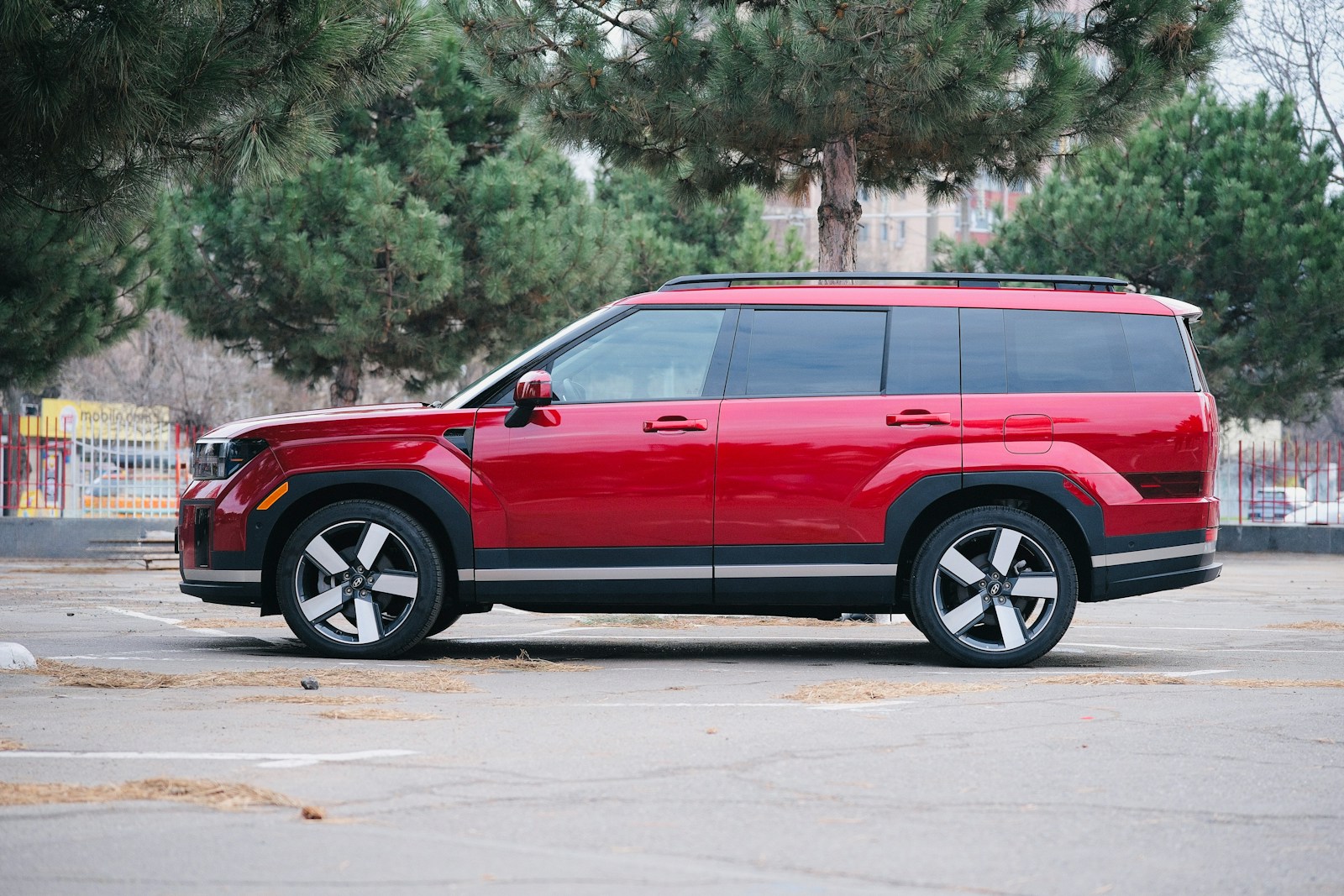
Federal safety rules only require a vehicle to offer lower anchor hardware in a minimum of two rear seating positions, according to NHTSA’s own car-seat installation guidance. That single sentence explains why so many three-row SUVs marketed as family haulers can’t actually take three child seats across a row using proper LATCH hardware — no matter how wide the middle bench looks in the showroom. The Insurance Institute for Highway Safety rates every new vehicle’s LATCH ease of use, and pulling the current model-year data on some of the best-selling three-row SUVs on the road shows a real gap between which ones actually work for three kids and which ones just photograph that way.
A “Good” Rating Doesn’t Mean What Parents Assume
The 2026 Toyota Highlander carries an overall Good LATCH rating from IIHS, but its own vehicle detail page shows only two second-row seating positions with complete lower-anchor-and-tether hardware — both outboard. The center seat’s lower anchors have to be “borrowed” from the seats on either side of it, meaning you cannot run three independent LATCH installations across that row at the same time. The third row has a tether anchor but no lower anchors at all. A Good rating measures how easy the anchors that exist are to use — it says nothing about whether there are enough of them for three car seats.
The Chevrolet Traverse Has the Same Ceiling
The 2026 Chevrolet Traverse tells the identical story. IIHS’s rating page lists two rear seating positions with complete LATCH hardware and three more with tether-anchor-only, including the entire third row. Installing a third seat means either borrowing anchors from an adjacent position — which most car-seat manufacturers explicitly warn against — or buckling it in with the seat belt instead, in the third row, which is a harder install to get right for many convertible and booster seats.
The Honda Pilot Is Built Differently
Compare that to the 2026 Honda Pilot, which earns IIHS’s higher Good+ tier. Its rating detail shows four rear seating positions with complete LATCH hardware, covering both outboard second-row seats plus the center position with its own full set of anchors, and two more tether-only spots behind them. That’s a real structural difference, not a labeling one: a family can genuinely install two LATCH-mounted seats in the second row simultaneously, without borrowing hardware from a neighboring seat, before even touching the third row.
Hyundai Palisade Matches It, Ford Explorer Splits the Difference
The 2026 Hyundai Palisade also lands in the Good+ tier, with four complete LATCH positions confirmed on its IIHS page — again covering the full second row. The 2026 Ford Explorer rates one notch lower overall, at Acceptable, despite its own rating page also showing four complete second-row LATCH positions; IIHS docks it for tether anchors that are easy to find but sit near hardware “that could be confused for” the anchor itself, which slows installation without changing how many seats actually fit.
The Third Row Is the Real Bottleneck, Not the Second
Every one of these five current-model three-row SUVs shares the same limitation once you get past row two: none of them offer lower LATCH anchors in the third row. IIHS’s own guidance for parents is blunt about why this is common across the segment, warning that “many vehicles lack lower anchors in the center of the second row” and that “some minivans and SUVs don’t have any lower anchors in the third row” at all — third-row seats are designed to rely on the tether anchor plus a seat belt, not a full LATCH connection. That’s a harder, less forgiving install, and it’s the actual reason a family with three young kids often ends up putting the toddler’s seat in the third row and hoping the belt-only install is snug enough, rather than choosing that seat by preference.
What the Rating Alone Won’t Tell You
The practical upshot for anyone cross-shopping: a vehicle’s overall LATCH letter grade is a measure of how stiff, deep, or hard-to-find the anchors are — not a count of how many seats will fit across a row. The Highlander and Traverse both carry respectable Good ratings while topping out at two real LATCH positions in the second row and none in the third. The Pilot and Palisade earn the extra plus specifically because they added a fourth complete position most competitors skip. If three-across capability is the deciding factor, the fix isn’t reading the overall rating — it’s opening the vehicle-specific detail page and counting how many seating positions actually carry complete hardware, row by row, before assuming a bigger SUV automatically means an easier fit.