
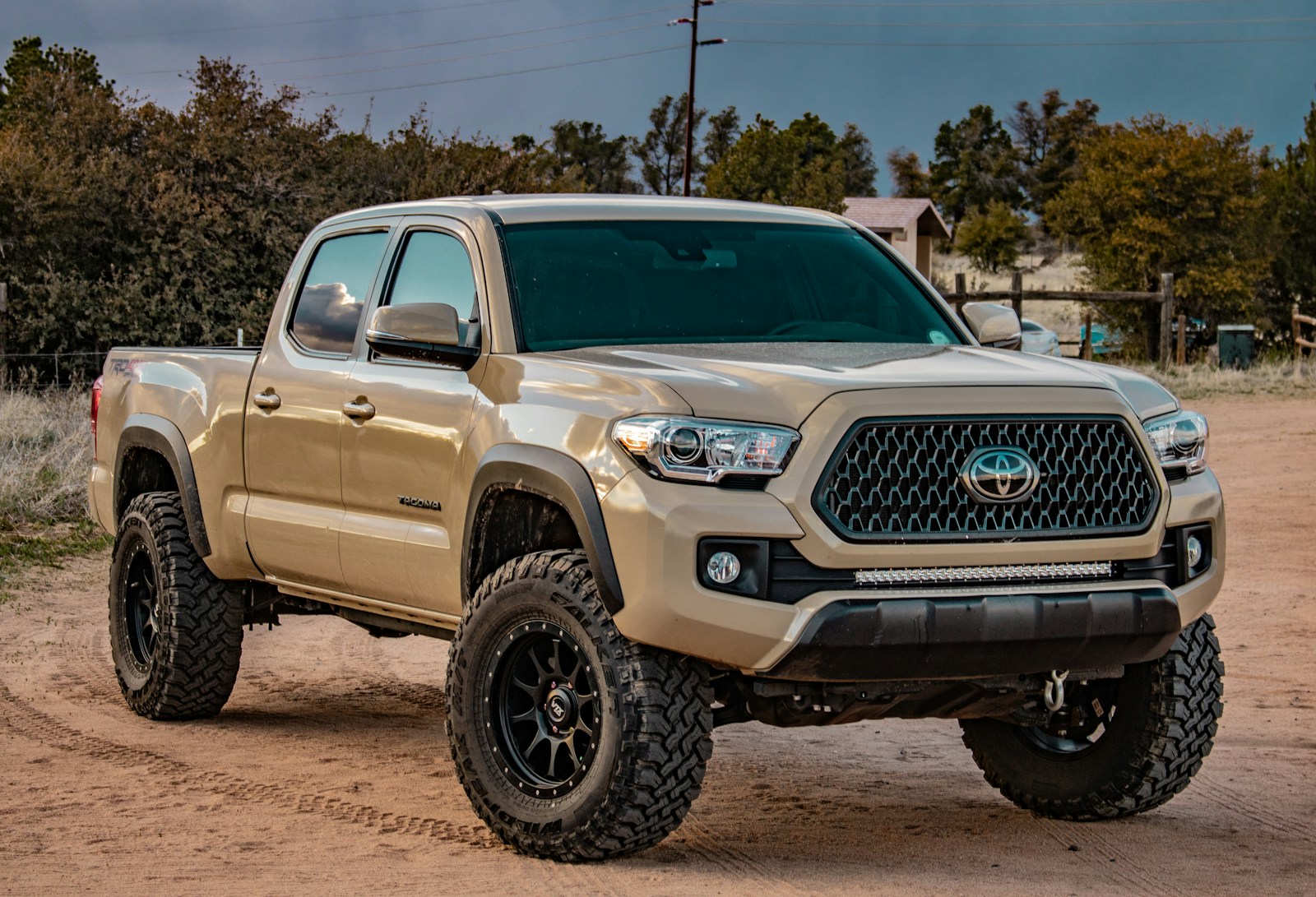

The average new vehicle sold in America today will be worth about 44.7% of its original sticker price once it hits the five-year mark, according to Kelley Blue Book’s 2026 Best Resale Value Awards methodology, meaning the typical owner watches more than half their purchase price evaporate before the odometer even reaches 100,000 miles. Trucks are supposed to be the exception to that curve, the vehicles that hold value because they hold up. But even within the truck world, the gap between the segment’s best performers and its average is enormous, and KBB’s own residual value projections show exactly which specific models are defying depreciation almost entirely while the rest of the class follows the usual script.
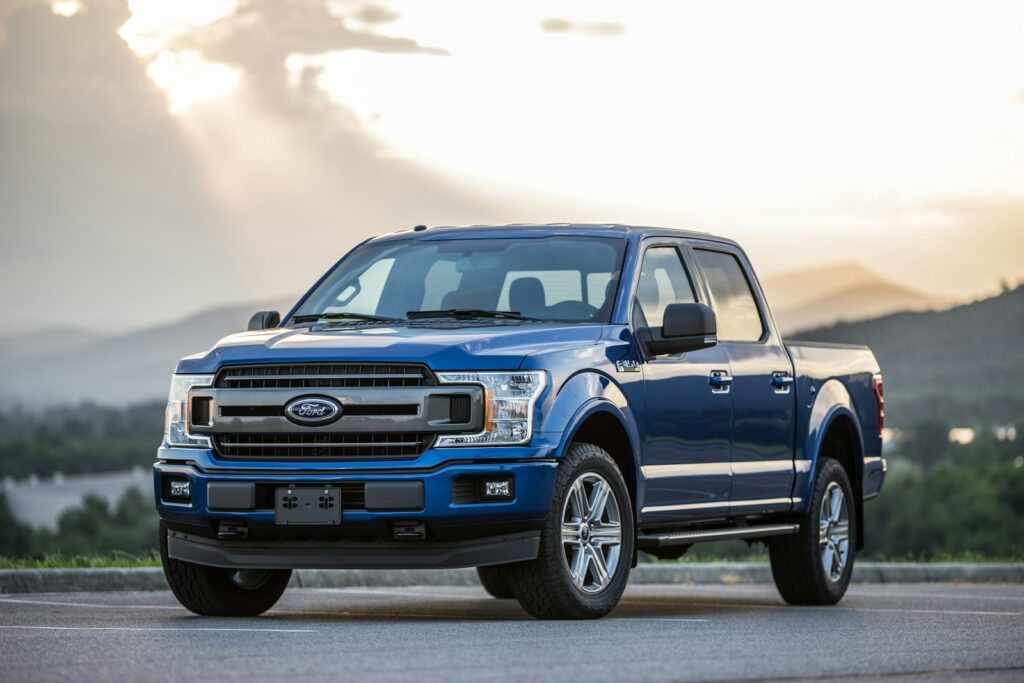
The Trucks Actually Beating the Curve
KBB’s award methodology, based on projections from its Official Residual Value Guide, ranks vehicles by their projected 5-year residual value as a percentage of original MSRP. The results for 2026 put two Toyota trucks at the very top of the entire awards field, not just the truck category. The 2026 Toyota Tacoma projects to retain 63.0% of its value after five years, starting from a base price of $33,840, a figure that ranked it number one across every vehicle category KBB tracks. The Toyota Tundra wasn’t far behind at 59.9% retained value from a $43,355 starting price, placing second overall. Both numbers sit roughly 15 to 18 percentage points above that 44.7% industrywide average, the equivalent of an owner keeping a car payment’s worth of extra value in the vehicle simply by having bought the right nameplate.
It’s Not Just the Midsize and Full-Size Classes
The compact truck segment tells the same story at a different price point. The 2026 Ford Maverick holds onto 54.1% of its value from a $29,840 starting MSRP, still nearly 10 points above the industry baseline and enough to win its class outright. The Ford Ranger also lands in KBB’s top 10 overall performers, according to a breakdown of the full 2026 awards list, showing the strength isn’t confined to a single Ford or Toyota nameplate. That the Maverick, Ranger, Tacoma, and Tundra all cleared roughly the same bar despite spanning three different size classes and a wide spread in starting price suggests the resale advantage isn’t about which segment a truck competes in. It’s about specific engineering and brand reputations that buyers trust enough to pay a premium for used, years after the original sale.
One Brand Is Driving Most of the Outperformance
The brand-level numbers make the pattern even clearer. Rheia Szymczyk, KBB’s senior manager of valuation and analysis, said that “Toyota and Lexus continue to reign supreme with top average residual values,” pointing to a brandwide average of 53% retained value for Toyota and 47% for Lexus, according to the same awards recap. That 2026 result marked Toyota’s tenth Best Resale Value Brand award and its sixth consecutive win in the category, a streak that shows up directly in the truck numbers, since both the Tacoma and Tundra carry that same brandwide reputation for durability into their individual residual projections.
Why the Rest of the Segment Falls Behind
Depreciation in trucks generally tracks a familiar set of forces: how often a model gets fully redesigned, how reliable the powertrain proves out to be in the used-car years when warranties expire, and how strong demand stays in the used market relative to the flow of off-lease and trade-in inventory hitting dealer lots. A truck that requires expensive scheduled maintenance or has a reputation for costly transmission or engine issues by year five sees used buyers discount it accordingly, dragging the resale percentage down regardless of how well it sold new. The models topping KBB’s list share a track record of mechanical durability that used-truck buyers have come to expect and shop for specifically, which is precisely the kind of reputation that compounds. Buyers seek the truck out because it holds value, and that demand is what keeps the value held.
What the Gap Actually Tells Buyers
None of this means every other truck on the market is a poor purchase, plenty of trucks that land closer to the segment average still deliver good ownership value when purchased new and driven to 150,000 miles or more. But for a buyer thinking about total cost of ownership rather than just the sticker at signing, the spread KBB’s data reveals is the more useful number than the MSRP itself. A Tacoma buyer and a Maverick buyer are both making a bet that’s already paid off for previous generations of owners in the used market, while a buyer choosing a truck near the 44.7% average baseline is accepting a materially larger dollar loss over the same five years, even if the truck’s on-paper capability looks similar in a showroom comparison. Resale strength isn’t evenly distributed across the pickup segment, and KBB’s own award data draws the line precisely where that gap actually sits.