


You’re about to learn how a new flex-lane camera program could cost drivers an immediate fine starting at $88 if they use the lane outside permitted times. This change puts a precise, enforceable penalty directly in your path the moment signage and cameras identify improper use.
The article breaks down how the flex lane will work, when the camera enforcement applies, and what penalties to expect so you can avoid surprise tickets. It also examines possible future expansions and how those changes might affect daily commutes and traffic patterns.
Motorists Could Receive Instant Fines Starting at $88 Under Newly Expanded “Flex Lane” Camera Enforcement Program
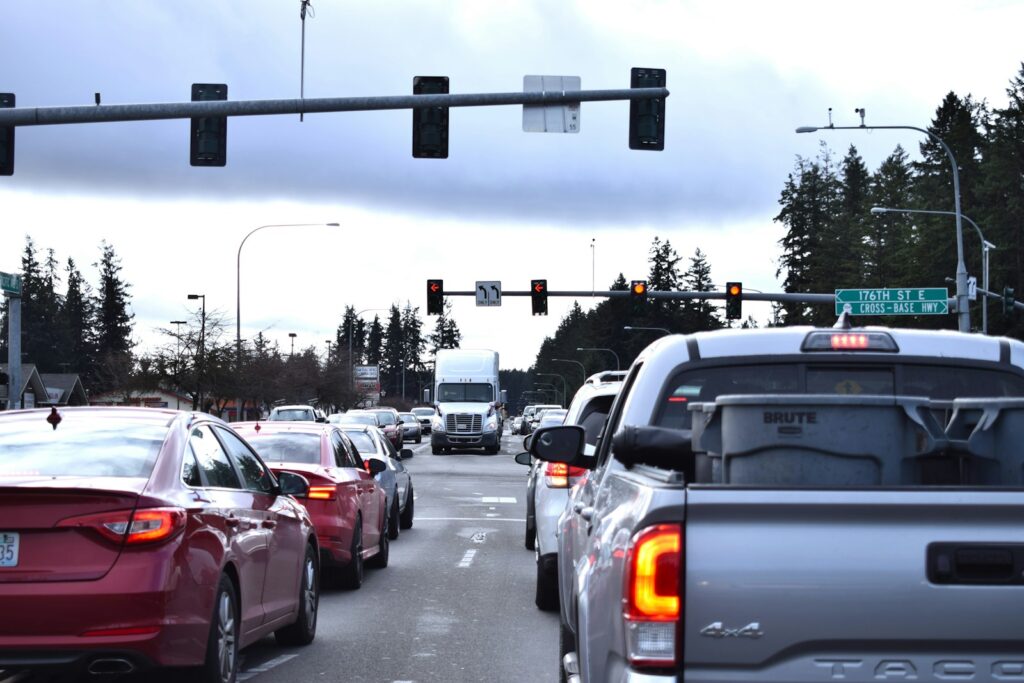
The program uses cameras and digital signage to control a shoulder-turned-travel lane during peak periods. Drivers who enter or remain in the flex lane when signs indicate it is closed can face automated citations starting at $88.
How the Flex Lane Camera System Works
Cameras mounted along the flex lane corridor record vehicles using the lane during times it is not open for traffic. The system pairs automated imaging with time-stamped sign status logs to verify whether a vehicle entered while the lane displayed a red “X.”
Captured images are reviewed by software that reads license plates; that data is matched to vehicle registration for citation issuance. Manual review may follow if the software flags unclear frames or potential errors.
Enforcement aims to replicate similar automated left‑lane or bus‑lane camera models used elsewhere. The goal is to reduce misuse without relying solely on patrol officers for every violation.
When and Where Flex Lanes Are Open
Flex lanes operate only on designated segments and during specified peak windows. For example, the Danbury I‑84 project would open the westbound median shoulder for morning rush, and the eastbound shoulder for evening peaks, with operations limited to a roughly 4‑mile stretch from exits 3 to 7. (See implementation details in the Danbury plan.)
Opening times depend on real‑time traffic conditions and preprogrammed schedules; digital signage displays the current status. Construction and operation timelines may vary, and local agencies will publish exact hours before enforcement begins.
What Triggers an $88 Fine
An $88 fine attaches to automated violations when a vehicle is recorded using the flex lane outside permitted hours. The amount reflects comparable penalties for improper lane use under local traffic codes and is the expected baseline while final fine schedules are set.
A citation typically requires proof the lane was closed at the time of entry—camera image plus matching sign readout. Repeat offenses or related violations (unsafe lane changes, blocking shoulder for emergencies) could lead to higher penalties under separate statutes.
Digital Signage and Flex Lane Status Indicators
Digital overhead signs communicate lane status with three primary signals: green arrow for open, red “X” for closed, and yellow “X” warning of imminent closure. Drivers must follow the displayed signal at the moment they use the lane.
Signs are synchronized with the camera system so a time-stamped sign state appears with each camera capture. This linkage establishes a clear compliance record for enforcement and minimizes disputes about whether the lane was legally available.
Relevant project updates and visuals explaining the signals appear in local agency notices and reporting for the Danbury flex lane rollout.
Future Expansions and Impacts of Flex Lane Camera Enforcement
The plan phases installation, establishes clear cost responsibilities, and aims to reduce lane misuse and work-zone incidents. Cameras will monitor lane status, issue fines for violations, and integrate with existing traffic-management systems.
Construction Timeline and Project Cost
DOT expects initial pilot cameras to go live within 9–12 months after final approvals, with full Danbury I‑84 flex-lane coverage phased in over the following 12–18 months. Installation phases include pole and mast-arm mounting, fiber or wireless backhaul, and integration with the traffic operations center; each phase requires separate permitting and lane-closure work windows.
Estimated capital costs range from $200,000 to $500,000 per camera site when accounting for hardware, communications, and mounting structures. Annual operating costs—maintenance, data storage, and ticket processing—could run 10–20% of upfront capital per site. Contractors may bill separately for civil work; DOT will likely seek state highway funding supplemented by federal grants where eligible.
Potential Benefits for Traffic and Driver Safety
Cameras deter drivers from entering the flex lane when it’s closed, reducing head-on and merge collisions tied to improper use. Automated enforcement shortens detection and citation times compared with manual patrols, improving compliance rates during peak and off-peak periods.
Targeting misuse in real time also helps keep traffic flow predictable, which lowers sudden braking and secondary crashes. In work zones, higher fines and camera evidence can reduce dangerous behavior, protecting roadside workers. Data captured can guide future signal timing and dynamic lane policies to optimize throughput.
Comparison to Other Highway Enforcement Initiatives
Flex‑lane cameras mirror work‑zone speed cameras by automating violations and relying on photographic evidence for issuing fines. Unlike speed cameras, flex‑lane systems require real‑time status detection to determine legality, so they combine lane-control signage, roadway sensors, and imaging.
Compared with increased trooper patrols, camera systems offer continuous coverage with lower recurring personnel costs but demand upfront capital and robust adjudication workflows. When paired with red‑light and speed camera programs, flex‑lane enforcement can create a layered approach that addresses different high-risk behaviors without reallocating patrol officers.
Relevant reporting outlines DOT’s intent to use cameras to catch unauthorized flex‑lane users and proposes penalties tied to misuse: see DOT’s proposal on flex‑lane camera enforcement (CT Insider).
More from Steel Horse Rides: