
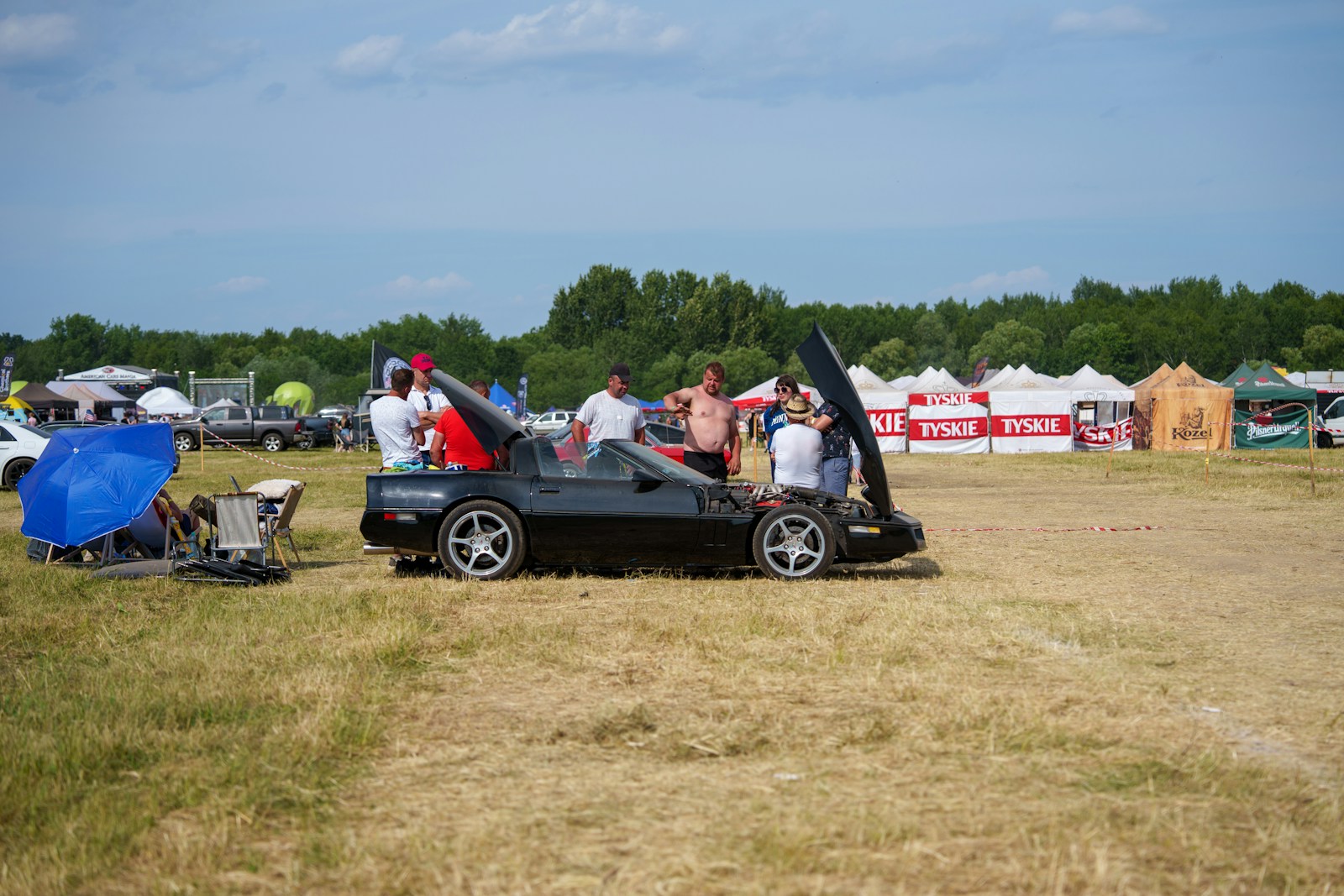

It was supposed to be one of those easy Saturday wins: meet up early, wipe down the paint, talk shop with strangers who smell like tire shine, then grab greasy burgers afterward and laugh about the weirdest mods in the parking lot. The kind of small local car show where the “trophies” are basically an excuse to stay until the end. Except this one ended with a friendship doing that slow, ugly skid you can’t quite correct once the back end’s already out.
The guy at the center of it—call him Evan—had brought his car the way he always did: clean, dialed-in, nothing loud for the sake of loud. His friend Derek rolled in later with a trailer, a pop-up tent, and the kind of expensive build that announces itself before you even know what you’re looking at. They’d been hyping each other up all week, posting progress shots, texting links to detailing products, making the whole thing feel like a team event.
Then Evan’s car won an award. Not “Best in Show,” not some life-changing title, but a category trophy that still mattered because it was judged and it was public and it was one of those moments where you can’t pretend it’s not a competition. Derek didn’t clap, didn’t laugh it off, didn’t even do the fake “well deserved, man” thing. He just stared at the little plaque like it had personally insulted him.
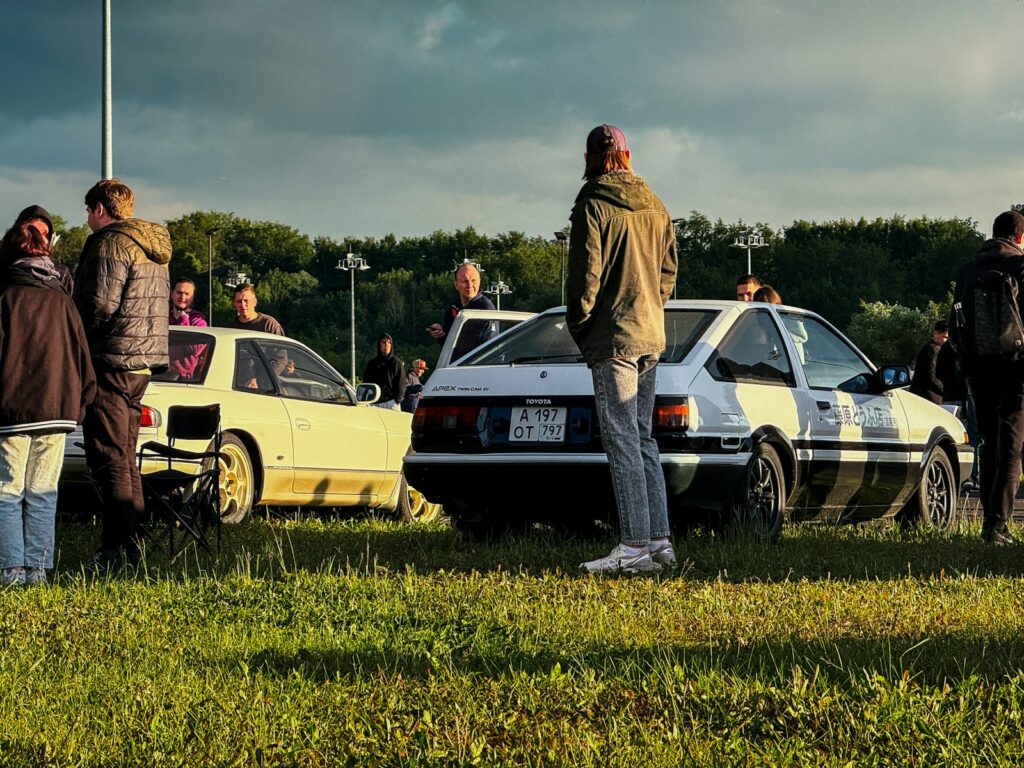
The builds: one clean and clever, one loud and pricey
Evan’s car was a modest platform, the kind people skip over when they’re scanning a show lineup for attention-grabbers. But it was executed with care: paint corrected until the reflections looked deep, engine bay tidy enough to eat off, a set of wheels that didn’t scream for approval but somehow made the whole car sit right. He’d done a lot of the work himself in a cramped garage, which meant he knew every bolt by first name.
Derek’s build was the opposite energy—high-dollar parts, professional wrap, and a tasteful-but-obvious amount of carbon fiber. He talked about it like a portfolio piece, listing brand names the way other people list achievements. The car wasn’t bad at all; it was objectively impressive. It just felt like it had been assembled to win arguments, not necessarily to tell a cohesive story.
Before the show, Derek kept making little jokes about “bringing home hardware,” and Evan would roll his eyes because Derek always talked like that. Evan’s attitude was more like, “Let’s see what happens,” even though he’d spent two nights straight trying to get tire dressing to lay evenly. The tension wasn’t obvious yet, but it was sitting there, quiet, under the hood.
The show day: compliments, cameras, and the slow rise of entitlement
The morning started off normal, with Evan parking next to Derek like they’d planned and both of them doing that last-minute panic detail. Derek had a full kit—folding table, spray bottles in labeled rows, microfiber towels separated by “paint” and “glass,” the whole ritual. Evan had a backpack and a beat-up tool bag, and he kept wandering off to look at other cars because he genuinely liked seeing what people did.
People drifted over to Derek’s spot first, mostly because his setup looked official. He loved it, soaking up the attention and launching into explanations the second anyone lingered near the front bumper. Evan got the slower kind of interest—older guys pointing at his fitment, someone asking what he used on the trim, a kid taking a picture because the car looked “clean” in that simple, satisfying way.
As the day went on, Derek started acting like the trophy was already his. Not in a loud way at first, more like he was narrating his own victory: which judge had stopped by, how long they stared at the interior, how he “knew” they noticed the custom work. Evan kept nodding and saying “nice,” but you could tell he was getting tired of it.
There was one moment that stuck: a judge walked up to Evan’s car and asked him a detailed question about a piece of fabrication in the bay. Evan explained it, and the judge smiled like he actually cared. Derek, hearing that from three spaces away, went quiet in a way that felt less like boredom and more like alarm.
The awards: polite applause and one frozen face
When they finally gathered everyone near the little stage area, it was hot and loud and people were half-paying attention while they fanned themselves with raffle tickets. The organizers did the usual jokes, thanked the sponsors, and called categories in no particular order. Evan wasn’t expecting anything, which meant he didn’t have that weird protective disappointment some people carry into awards announcements.
Then his name got called. Evan did that confused blink people do when they’re sure they misheard, and Derek’s face changed so fast it was almost comical—like he’d been slapped and didn’t know who did it. Evan walked up, shook hands, took the plaque, and came back smiling in that embarrassed-but-happy way.
Derek didn’t say congratulations. He asked, immediately, “For what?” Evan told him the category, and Derek made a tight little noise, like a laugh that didn’t make it out. Around them, other people were clapping, taking photos, nudging their friends, and Derek was just standing there like the sound had been turned down.
Derek didn’t win anything. Not that day, not that category, not even a sponsor pick. He kept waiting for his name and adjusting his posture like the award was just one announcement away, and when it didn’t come, he stopped watching the stage entirely.
The accusation: “You know it was rigged, right?”
Back at their cars, Evan tried to keep it light. He set the plaque on the hood for a quick photo, then went to grab water, still smiling because he’d worked hard and it felt nice to be noticed. Derek followed him like a cloud.
He didn’t start with yelling; he started with certainty. “You know it was rigged, right?” he said, low enough that it wouldn’t draw attention, but sharp enough that Evan’s smile died instantly. Evan asked what he meant, expecting maybe a joke or some petty grumbling he could ignore.
Derek said the judges clearly had favorites, that the organizer was “tight” with certain people, that he’d seen one of the judges talking to Evan “like they were buddies.” Evan pointed out that the judge asked him one question and then moved on, and Derek shrugged like that was exactly the kind of denial you’d expect from someone benefiting from a scam.
Then Derek made it personal. He said it didn’t make sense that Evan’s “cheap” build won over a car with “real money” in it, and he said it like money was the same thing as merit. Evan’s face went flat, and he told Derek he’d spent months on that car and didn’t appreciate being talked to like he’d gotten a handout.
Derek leaned in harder, insisting Evan must’ve known someone, must’ve “worked the room,” must’ve gotten sympathy points because his build was “underdog.” Evan told him, calmly at first, that he spent most of the day wandering around and talking to strangers about other cars, not campaigning for a trophy. Derek responded with, “Exactly. You weren’t even trying and you still won. That’s how you know it’s not legit.”
The fallout: group chat silence and a trophy that suddenly feels heavy
The argument didn’t explode into a public scene, but it didn’t stay contained either. People nearby started glancing over because Derek’s voice had that rising edge where you can tell someone is trying not to shout and failing. Evan packed up slower than usual, like his body was doing the shutdown routine while his brain tried to understand how a fun day turned into this.
In the drive home, Derek sent a string of messages: screenshots of the show’s sponsor list, vague claims about “politics,” and a long paragraph about how he’d been “disrespected.” He also pointed out, more than once, how much he’d spent—numbers dropped like evidence. Evan didn’t respond right away, partly because he was driving and partly because anything he typed felt like it would turn into a bigger fight.
By the time Evan did answer, Derek had moved on to recruiting. He’d messaged mutual friends with the same story, framed like a warning: don’t waste your time at that show, the judging’s compromised, trophies are basically participation awards. A couple friends sent Evan awkward “hey man, what happened?” texts, the kind that make your stomach sink because you realize the drama has left the two-person zone.
Evan tried to keep it factual when he explained: his car won, Derek didn’t, Derek accused the judges, and now it was a thing. Some friends told Derek to chill. Others did the noncommittal “both sides” routine. Derek, meanwhile, started posting subtle little stories—nothing naming Evan, but enough about “rigged events” and “people who win off politics” that anyone who knew the day’s results could connect the dots.
The weirdest part was that Evan’s trophy, which should’ve been a simple good memory, started feeling like a live wire. He found himself looking at it and replaying Derek’s words: cheap build, underdog, rigged. Not because he believed it, but because it hurt in a way compliments from strangers didn’t fix.
They didn’t fully stop being friends overnight, but the easy rhythm was gone. Evan stopped sending progress pics because he didn’t want them judged through Derek’s new lens, and Derek stopped asking because every conversation threatened to drift back into the same accusation. The last anyone heard, Derek was talking about “only doing legit events” and Evan was still going to local meets, plaque tucked away on a shelf where it couldn’t start another argument just by existing.
What made it stick wasn’t the trophy or the show, really—it was the way Derek couldn’t let Evan have one clean win without turning it into an explanation that protected his ego. Evan didn’t lose sleep over the judges; he lost it over the realization that his friend’s support had apparently come with conditions, and now every future success had this question hanging over it: if Evan wins again, will Derek call it rigged again, or will he just stop showing up entirely?
More from Decluttering Mom: