

By the time his dad started dating “Lena,” the truck had already become a family artifact. It was a battered late-’80s pickup they’d dragged home on a trailer years ago, more rust than paint, and the kind of project that only makes sense if you’re grieving and stubborn in the same breath. The son—early 20s now—still remembered the first afternoon they rolled it into the driveway, his dad silent in that way he’d gotten after his mom died, like talking would cost too much.
Restoring it wasn’t just a hobby. It was Saturdays that had somewhere to go, hands that had something to do, a reason to laugh when a bolt snapped or when they realized they’d put a part on backward. They called it “the blue truck” even when it wasn’t blue yet, because that’s what his mom used to call it when she rode in it back when they were dating. That detail mattered later, in the dumbest, most painful way.
So when the son found out the truck was gone, he didn’t hear it from his dad. He heard it from an empty spot in the driveway and a neighbor who waved like it was normal and said, “Hey, saw your dad loading up the pickup this morning.” The son stood there staring at tire marks and oil stains like they could explain where a whole chapter of his life had been towed off to.
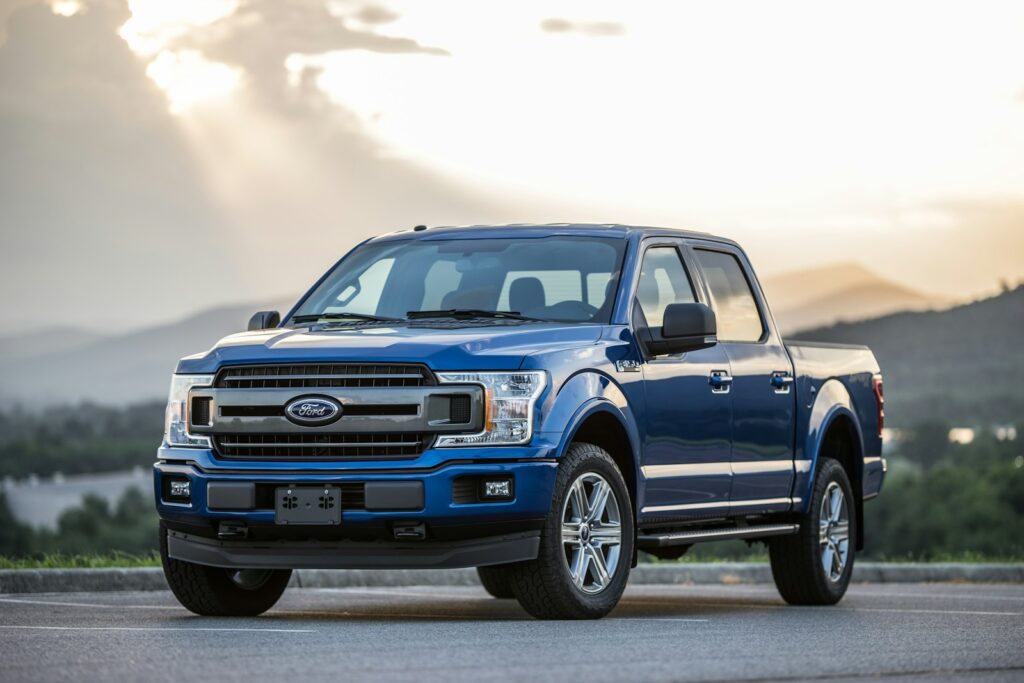
The truck wasn’t a vehicle, it was a routine
The restoration had started as something small—“we’ll just get it running”—and then spiraled into the full thing because that’s how projects like that trap you. The son learned how to sand down panels until his arms shook, how to prime and paint without getting runs, how to bleed brakes and curse in a way his dad pretended to disapprove of while smiling anyway. His dad, who’d never been sentimental out loud, still kept a little box of receipts and notes from the work like it was proof they’d survived those years.
They did the build in phases depending on money. Some months it was new tires; some months it was junkyard hunting; some months it was just sitting in the garage with the radio on and not talking much. The son said he could tell how his dad was doing by how carefully he organized the tools, like grief made him either meticulous or reckless, nothing in between.
By the time the truck was finished, it looked sharp—fresh paint, new upholstery, a clean engine bay that made people at gas stations do double takes. The dad would take it out on Sunday mornings “just to keep it moving,” which was code for he liked being seen in it. The son didn’t mind; it made his dad look like himself again, even if it was a version of himself built out of old metal and muscle memory.
Then the girlfriend entered the garage
When Lena showed up, she didn’t come in with cartoon-villain energy. She was friendly in that careful way some people are when they’re entering a family that already has a ghost at the dinner table. She brought wine, complimented the house, and laughed at the dad’s stories with her hand on his arm like a bookmark.
But the truck bothered her almost immediately. The son noticed it first in little things: she didn’t ask about it, didn’t ride in it when the dad offered, didn’t look at it when she walked past the driveway. When the dad talked about the restoration, Lena’s smile would tighten, like she was holding a pose through something unpleasant.
Eventually, it slipped out in a way that didn’t sound like a “request” so much as a diagnosis. Lena told the dad it wasn’t healthy how much time he spent on “that reminder,” and she said it while looking at the son, like he was part of the evidence. The son described the moment as weirdly humiliating—being discussed like an old habit that needed breaking.
The dad brushed it off at first. He did that thing parents do when they’re trying to keep the peace: “She doesn’t mean it like that,” “She’s just worried about me,” “You know how people are.” But after that conversation, the Sunday morning drives got shorter, and the truck started spending more time backed into the garage, as if hiding it could make everyone stop thinking about what it meant.
The argument that never stayed about the truck
The blowup happened on a weekday evening when the son dropped by unannounced. He said he heard voices before he even opened the door—his dad sounding defensive, Lena sounding calm in that icy way calm people get when they think they’re being reasonable. The son didn’t want to eavesdrop, but it’s hard not to when your name comes up.
Lena was saying the truck kept his dad stuck, and that she didn’t want to compete with “a memory.” The dad snapped back that it wasn’t a competition, it was his life, and the truck was something he did with his kid. The son walked in right then, and the room went quiet in the thickest, most awkward way—three adults suddenly pretending they weren’t talking about something intimate and ugly.
Lena pivoted fast, smiling like a switch flipped. She asked the son how he’d been, if he wanted something to drink, all normal-host behavior. The dad, though, couldn’t fake it as well; he was stiff, eyes darting toward the garage door like the argument was still happening in there.
The son didn’t push it that night. He left after a few tense minutes and told himself it was just a relationship growing pain, that his dad would figure out boundaries. He assumed the worst outcome would be Lena complaining, his dad grumbling, maybe a few months of passive-aggressive silence whenever the truck got mentioned.
The day the driveway was empty
A couple weeks later, the son swung by on a Saturday because he’d found a set of original badges online and thought his dad would get a kick out of them. He pulled up and saw the empty driveway, and his first thought was simple: maybe his dad took it out. Then he noticed the garage door was closed, and the dad’s newer car was parked weirdly off to the side like it had been moved in a hurry.
Inside, the house felt too clean, like it had been staged. His dad was in the kitchen with coffee and a brittle smile that didn’t reach his eyes. Lena wasn’t there, which made the absence feel even louder.
The son asked where the truck was. His dad didn’t answer right away; he stared into his mug like it had instructions. Then he said, flatly, that he sold it.
No warning. No “hey, I’m thinking about it.” No chance for the son to buy it, store it, even say goodbye. Just: sold.
The son’s brain snagged on the word like it couldn’t process it. He asked who bought it, how much, where it went, and his dad’s answers were vague—someone “from out of town,” a “good price,” “it’ll be taken care of.” The son could feel the way his voice started getting loud, not because he wanted to yell, but because the only way to make it real was to make it physical.
Finally, his dad said the part that mattered: Lena didn’t like how much it reminded him of his mom. He said it like it was a reasonable sentence, like “she’s allergic to peanuts” or “she gets carsick.” The son stared at him, waiting for the follow-up where his dad would realize how insane that sounded.
Fallout: apologies that weren’t really apologies
The son asked if his dad agreed with her. His dad didn’t say yes, exactly, but he didn’t say no either—he went with the classic, “I need to move forward.” He mentioned therapy in a way that sounded like he’d just learned the word, and he said the truck was “holding him back,” which sounded suspiciously like Lena’s phrasing.
The son pointed out that the truck wasn’t just his dad’s grief project; it was theirs. It was hours of labor, scraped knuckles, money he’d put in when he was working part-time, and something that made him feel like he still had a connection to his mom without turning her into a shrine. His dad’s face tightened, and he said, “Don’t do this,” like the son was being dramatic instead of gutted.
What made it worse was the way his dad tried to soothe him with logistics. He offered to help him find “another project,” as if you could swap out the symbol and keep the meaning. He promised the buyer “really appreciated it,” which sounded like someone trying to justify a betrayal by saying at least the thief has good taste.
The son asked for the buyer’s contact info. His dad refused—said it would “cause problems.” That line landed hard, because what he meant was: it would cause problems with Lena. The son could see it then, clearly, that his dad had decided what kind of problems he was willing to have, and it wasn’t the kind that involved disappointing his girlfriend.
When Lena came back later that day, she acted like nothing happened. She greeted the son brightly, asked if he wanted to stay for dinner, and didn’t mention the truck once. The son said he realized in that moment she didn’t see the sale as a conflict; she saw it as a successful cleanup.
He left without eating. In the car, he called a friend and said the weirdest part was how ordinary everything looked—same kitchen, same coffee mugs, same family photos on the wall—except there was this huge missing object that proved his dad could erase something sacred if it made his new life smoother.
Now the son’s stuck in that limbo where he doesn’t know what he’s fighting for anymore. The truck is gone, the buyer is a mystery, and his dad’s acting like the decision was “hard but necessary,” which is just a nicer way of saying he made it and everyone else can deal with it. What’s still hanging in the air isn’t whether the truck can be recovered—it’s whether the dad understands he didn’t just sell a vehicle; he sold off a piece of trust, and he did it because someone new didn’t like being reminded that another woman mattered first.
More from Steel Horse Rides: