
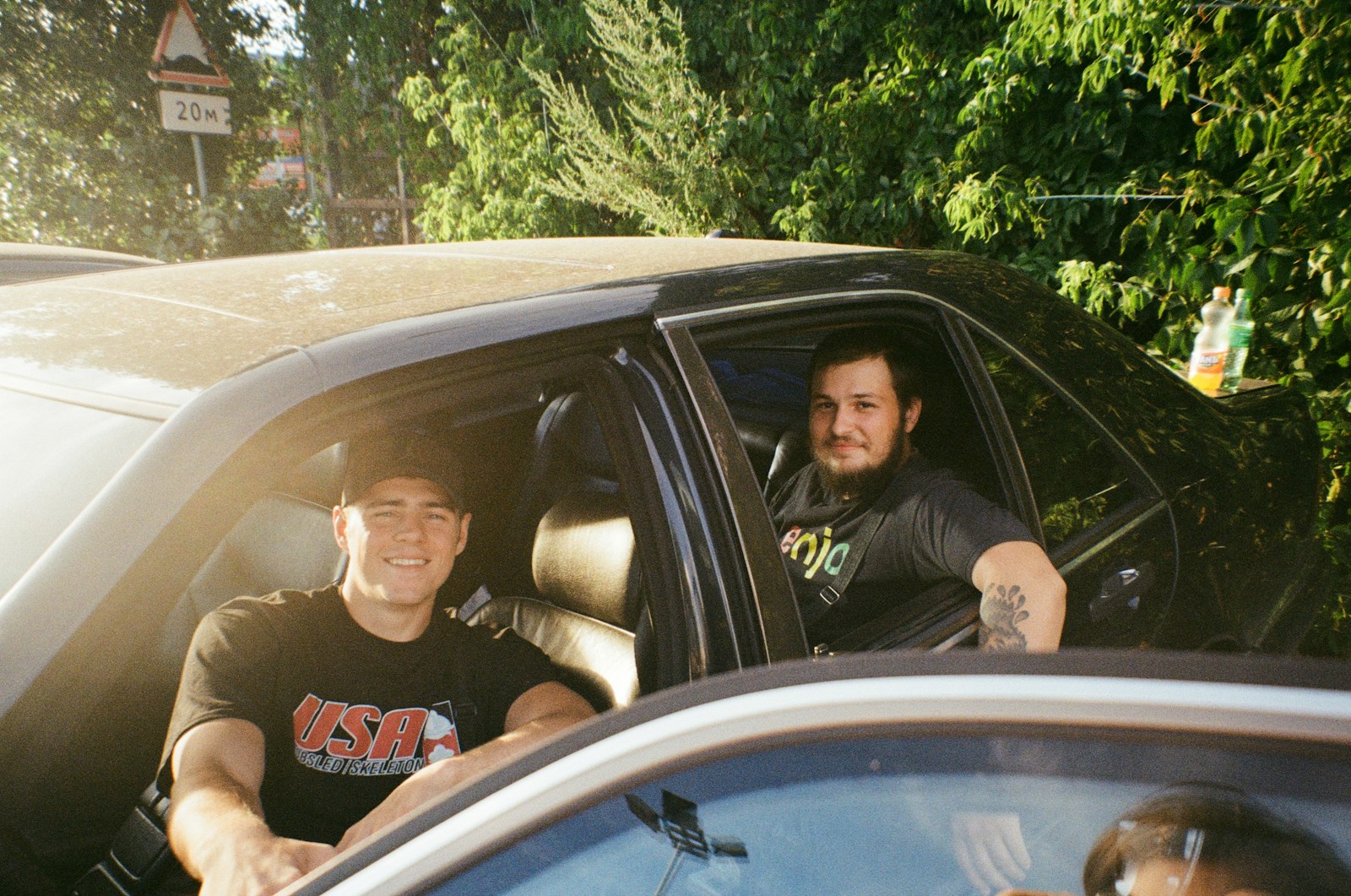

He’d only meant to grab coffee and show off a small win: the car started on the first turn, like it always did, and the A/C actually worked even though it was already heating up outside. Mark pulled into the lot in his beat-up but loud “project” coupe, the one he talked about like it was a moody artist who simply refused to be understood. He parked two spaces away on purpose, angled just enough that everyone walking by had to look at his oversized exhaust tip.
His friend—Evan—rolled up in a clean, boring-looking hatchback that was somehow always clean, even in winter. It wasn’t flashy, but it had nice wheels, good tires, and the kind of subtle mods you only noticed if you knew what you were looking at. Mark noticed, of course, and made a face like he’d just been offered a salad at a barbecue.
They weren’t strangers to this dynamic. Mark liked to play gatekeeper with cars, the way some people do with music or whiskey, and Evan was the kind of guy who’d rather drive than argue. The problem was Mark’s favorite insult was starting to age poorly: “That’s not a real enthusiast car,” he’d say, “because it’s reliable.”
The “Reliable” Insult Becomes a Personality
It started as teasing—at least that’s what Mark called it. Evan’s hatchback, a Japanese performance trim with a manual and a warranty he actually understood, didn’t leak, didn’t rattle, didn’t require him to carry a toolbox “just in case.” Mark treated that like a character flaw, like Evan had accidentally become an adult.
Whenever they met up with other friends, Mark would do the routine. He’d pat his own dashboard like it was a loyal dog and announce, loudly, that his car had “soul” because it tried to kill him in new ways every month. Evan would laugh, shake his head, and keep it moving because the alternative was turning a hangout into a debate club.
But Mark didn’t just tease; he performed it. He’d point at Evan’s car and say things like, “It’s basically an appliance,” and “If it doesn’t break, you’re not bonding with it.” He said it with that grin that implies he thinks everyone’s laughing with him, not at him.
The wild part was Mark’s car wasn’t even some legendary, rare classic that demanded suffering as the price of admission. It was a common coupe with an aggressive tune, bargain coilovers, and a “stage whatever” setup that changed every time a new YouTube video convinced him he needed it. He’d spend three hours talking about his build and then five minutes complaining about his bank account.
Coffee Turns Into a Parking Lot Seminar
That morning, Mark saw an opening and took it like it was his job. Evan mentioned he’d just done a long weekend trip, a few hundred miles each way, and the car didn’t skip a beat. Mark’s eyebrows went up, like Evan had just admitted he drinks plain water.
“See, that’s what I’m talking about,” Mark said, leaning against his own fender. “No drama. No stories. You can’t be a real car guy if your car never tries to ruin your day.” He said it loudly enough that a couple walking by glanced over, then kept walking faster.
Evan tried to keep it light. He shrugged and said something like, “I dunno, I like driving it more than fixing it.” Mark laughed in that exaggerated way people laugh when they’re trying to establish a hierarchy. He started listing the things he’d “been through” with his car like it was a deployment.
Then he went for the line he loved most. “Reliability is for commuters,” he said. “Enthusiast cars break. That’s how you know it’s real.” Evan’s face tightened just a little—not angry, more like tired—and he took a sip of coffee like it was an excuse to not respond.
Mark’s Car Picks a Perfect Time to Make a Point
They hung out another half hour, and Mark kept circling back to it, like he couldn’t leave without scoring the final point. Evan didn’t push back much, but he did start checking his watch. When they finally headed back to their cars, Mark did the dramatic little key-flick thing like he was starting a fighter jet.
His car didn’t start. It cranked, coughed, and then did that ugly half-catch that sounds like a throat clearing before a tantrum. Mark tried again, faster, like urgency could intimidate an engine into cooperation.
Evan paused with his own door open, just watching without commenting, which somehow made it worse. Mark popped the hood immediately, as if that’s what people do in movies, and stared at the engine bay like he could shame it into behaving. He muttered at it, then muttered at his phone, pulling up some forum thread he’d probably read ten times.
A couple minutes later, Mark’s confidence shifted into irritation. The performance was gone; now he was just a guy in a parking lot sweating through a T-shirt, poking at parts he couldn’t name without checking a diagram. Evan asked, quietly, if he wanted a jump or a ride, and Mark waved him off with a “Nah, I’ll figure it out.”
The Ride Request, Delivered Like It’s Not Ironic
Mark didn’t figure it out. After another round of cranking and a few choice words that made the nearby stroller-parent give him a look, he leaned back against the car and finally sighed. He said he had to be across town in an hour, and there was “no way” he was paying for a tow again.
Then he asked Evan for a ride. Not politely, either—more like he was requesting a favor he was already owed. “Can you just take me?” he said, nodding toward Evan’s car like it was a service vehicle.
There was a beat of silence where the irony sat between them like a third person. Evan didn’t smile, didn’t pounce, didn’t say “told you so,” even though it was practically gift-wrapped. He just said, “Yeah, sure,” because he’s the type to help even when someone’s being annoying about it.
As they got in, Mark couldn’t resist one more jab. He looked around Evan’s interior—clean, intact, no mystery wires hanging under the dash—and said, “Man, it’s weird being in a car that isn’t trying to kill its owner.” Evan glanced at him, and you could tell he was deciding whether to let that slide.
What Happens When the Joke Stops Being Funny
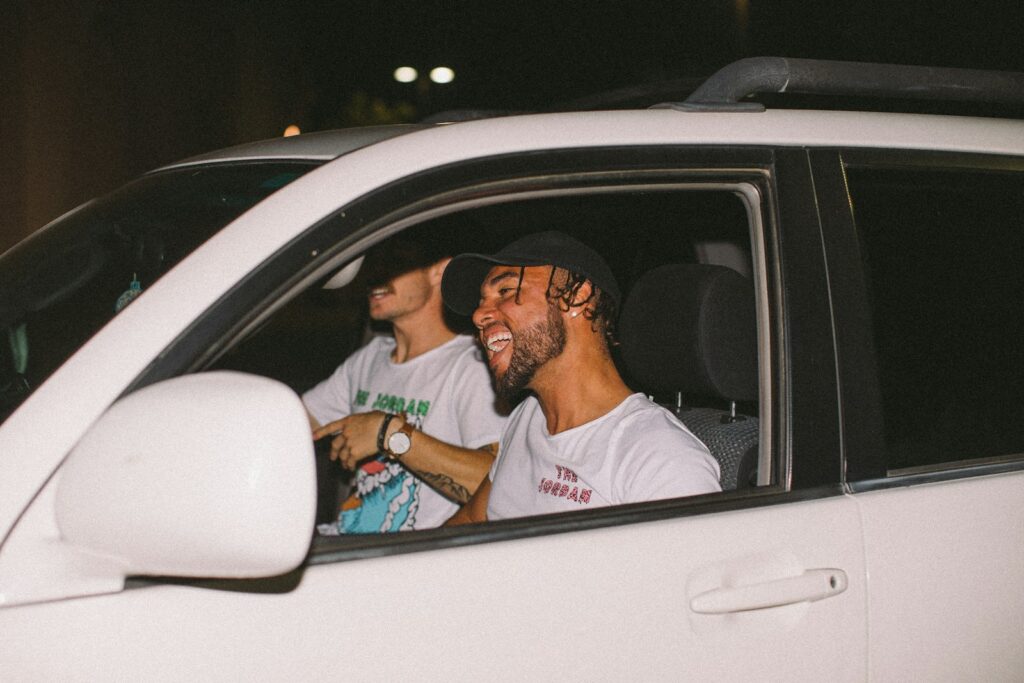
The drive was the kind of quiet that isn’t peaceful, just tightly managed. Mark kept fidgeting with his phone, occasionally sighing like he was the victim of a cruel universe. Evan focused on driving, the way people do when they’re trying not to say something they’ll regret.
Halfway there, Mark started narrating his own car problems again, framing the breakdown like it was unavoidable fate instead of the predictable result of chasing power with questionable parts. He talked about how “temperamental” tuned cars are, how it was “just part of it,” like the breakdown was proof of authenticity. Evan finally said, very evenly, “Or you could just… fix it right.”
Mark laughed, but it sounded forced. He shot back, “You wouldn’t get it,” and then immediately asked if Evan could swing him back later to pick up the car once he “sorted it out.” The audacity wasn’t even the request; it was how comfortable Mark was treating Evan’s time like an accessory to his lifestyle.
Evan didn’t explode, but something in him shifted. He said he could drop him off now, but he wasn’t committing to being on-call. Mark’s face tightened like he’d been insulted, and he tried to turn it into a joke—“Damn, reliable cars make people cold”—but Evan didn’t laugh.
When they pulled up to Mark’s destination, Mark climbed out and did that half-wave people do when they want the moment to end without acknowledging it. He muttered “Thanks” in a way that made it sound like he was paying a toll. Evan nodded, watched him walk off, and for a second just sat there with both hands on the wheel.
Later, Mark texted a photo of his car on a flatbed with a caption about “character building.” Evan didn’t respond right away, because the whole thing left a sour taste. It wasn’t the breakdown—cars break, projects are projects—it was the way Mark couldn’t stop using failure as a badge while relying on someone else’s boring, reliable “not an enthusiast car” to keep his day from collapsing. And the tension wasn’t resolved, either, because the next time they meet up, Mark’s going to want another ride, and Evan’s going to have to decide if being the dependable friend is starting to feel like being the designated chauffeur.
More from Steel Horse Rides: