

He’d just finished paying off the car, which is why he was being insufferably careful about it. Not in a “don’t breathe near my paint” way, but in that quiet, adult way where you finally own something nice and you’re trying to keep it from immediately turning into a trash can on wheels.
It was a mid-range sedan, not a Ferrari, but it was clean. The seats didn’t have mystery stains. The floor mats weren’t crunchy. He’d even done that satisfying thing where you wipe down the dash so it doesn’t have that greasy, dust-attracting shine.
So when his friend asked for a ride to run a couple errands on a Saturday morning, he said yes without thinking too hard about it. They’d been friends long enough that “Sure, hop in” felt automatic. The first mistake was that the friend showed up holding a giant coffee like it was an extra limb.
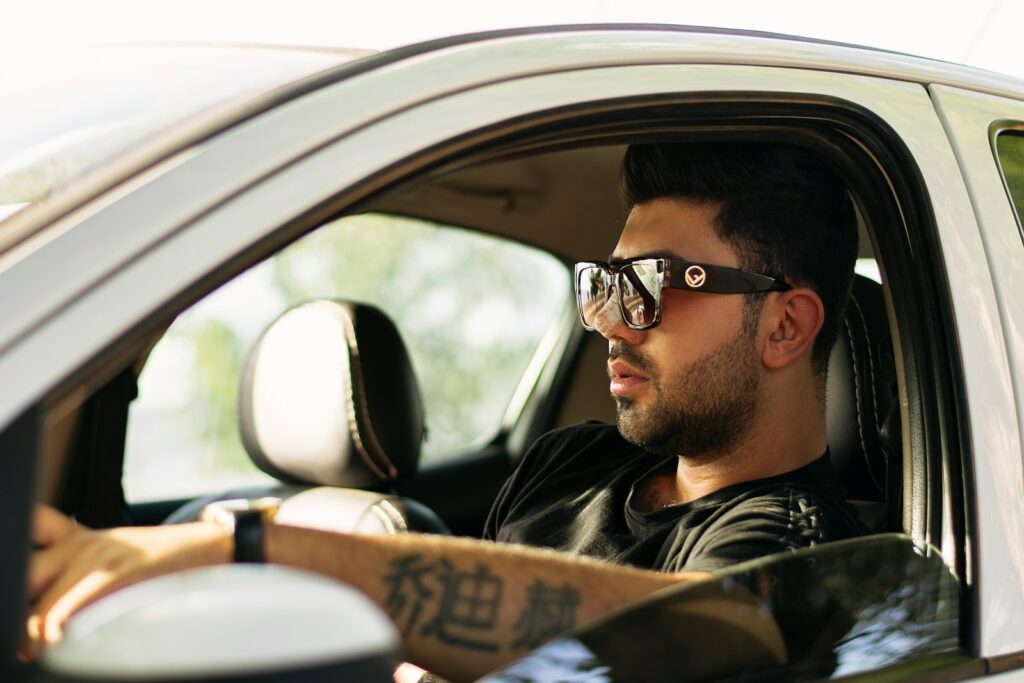
The “It’s Fine, I’ve Got It” Coffee Walk
The friend—let’s call her Jenna—was already sipping as she walked up, plastic lid tilted back, one hand on her phone. She did that thing where she lifted the cup slightly as a greeting, like the coffee itself was waving hello.
He hesitated for half a second and then asked, as casually as he could, if she minded finishing it or putting it in the cupholder once they were moving. He wasn’t even banning coffee from the car, just trying to avoid the obvious: sloshing liquid plus upholstery equals a bad time.
Jenna laughed like he’d said something adorable. “I’m not a child,” she told him, and slid into the passenger seat. She kept the coffee in her hand anyway, balanced over her lap, because apparently the cupholder was beneath her or something.
He drove the first few minutes extra carefully, the way people do when they’re trying not to appear like they’re driving carefully. Smooth stops, gentle turns, no sudden anything, just a quiet little paranoia humming under the radio.
A Braking Moment That Should’ve Been Nothing
It happened at the most boring possible moment: a car ahead tapped its brakes near a crosswalk. He slowed down normally—nothing dramatic—but Jenna was mid-sentence, gesturing with the coffee like it was a microphone.
The cup tipped. The lid popped just enough to betray its entire purpose. A wave of coffee rolled out and dumped across her jeans, the seat, and the center console, hitting the gear area and then dripping into the creases like it was seeking out the most inconvenient places to live forever.
There was a split second where both of them froze, staring at the spreading stain. You know that moment when your brain is still trying to negotiate with reality, like maybe if you don’t acknowledge it, it’ll reverse itself.
He pulled over into a parking lot immediately, more out of instinct than strategy. Jenna sucked air through her teeth and stood up halfway out of the seat, holding the cup upright again as if that solved the part where coffee was now marinating in the fabric.
The Cleanup Dance and the First Weird Shift
He popped the trunk and dug for napkins and an old hoodie he kept back there, the sort of stuff people carry “just in case.” He handed Jenna a stack of napkins without saying much, because he was trying really hard not to say the first thing that popped into his head.
Jenna was more concerned with her pants than the car, which, okay, fair. She patted at her jeans and then dabbed the seat in a halfhearted way, but it was the kind of dabbing that’s mostly symbolic. The coffee had already soaked in; the seat looked like it had been branded.
He asked if she could help blot it properly, maybe pour some water on it to dilute it, something. Jenna blinked at him like he’d requested she perform surgery. “It’s just coffee,” she said, and then, almost immediately, added, “It’ll dry.”
That’s when he felt the mood shift from “accident” to “this is about to become an argument.” He wasn’t yelling. He wasn’t even being dramatic. But the fact that he cared, even a little, seemed to annoy her.
“If You’re Gonna Be Sensitive…”
He told her he wasn’t trying to be a jerk, but the car was new to him and he’d like to keep it clean. He said it like a normal human being with a normal boundary, the way you’d say, “Hey, could you take your shoes off on the carpet?”
Jenna rolled her eyes so hard it was almost a performance. “If you’re gonna be sensitive about stuff like that,” she said, “then you shouldn’t own nice things.”
It landed in the car like a bad smell. Not because it was witty or devastating, but because it revealed something ugly and casual in her thinking—like the only options were being chill about property damage or not having property at all.
He stared at her for a beat, then looked down at the seat, which now had that sour, sweet coffee smell rising like a fog. He asked her what that was supposed to mean. Jenna shrugged and said accidents happen, and people who care too much about objects are “kinda exhausting.”
There’s a particular kind of condescension that comes with calling someone “sensitive” when you’re the one who caused the problem. It’s not just dismissive; it’s strategic. It turns the conversation away from what you did and into what’s wrong with the other person for noticing.
The Ride That Got Cold Fast
They got back on the road, but the vibe was wrecked. He drove in silence for a while, jaw tight, trying to decide if he should just take her home and be done with it. Jenna, meanwhile, started scrolling on her phone like she was waiting for the “awkward part” to end on its own.
A few minutes later she made a joke about his “precious car” and laughed at it like it was a shared inside joke. He didn’t laugh. He said, flatly, that it wasn’t about being precious; it was about not wanting sticky coffee stains in something he’d worked hard for.
That’s when Jenna leaned into the defense she’d already chosen: she acted like he was scolding her. She said he was making her feel bad over an accident, that he was being dramatic, that it was “materialistic” to care that much. The word “materialistic” hung there, doing a lot of heavy lifting for someone who hadn’t offered to help pay for a cleaning.
He asked if she’d be willing to cover detailing, even just split it. He wasn’t asking for punishment; he just didn’t want to eat the cost of her mistake. Jenna’s face tightened, and she said, “You cannot be serious,” like he’d suggested she fund a remodel.
She told him it wasn’t her fault he bought a car with “fancy seats.” She said if he couldn’t handle a little mess, he should’ve gotten something older and cheaper. The logic was weirdly aggressive: as if his purchase decision retroactively made her spill acceptable.
The Fallout That Didn’t Resolve Itself
He dropped her off after the first errand and told her he wasn’t up for the rest. Jenna got out with a huff, coffee cup finally placed in the cupholder like it had always been an option. She slammed the door hard enough that he flinched, then texted him ten minutes later asking if he was “still mad.”
He didn’t answer right away, because he was staring at the seat in a parking lot, doing that mental math of how much professional cleaning costs versus how much emotional energy he wanted to spend on someone who clearly didn’t respect him. The stain had that ugly halo effect, darker at the center and lighter around the edges, like a bruise.
When he finally responded, he told her he was upset and would be getting it detailed, and he’d appreciate her helping cover it. Jenna replied with a long message about how friendships shouldn’t be transactional and how she couldn’t believe he’d “put a price on” their relationship. She never actually said sorry in a straightforward way; she just kept circling around how his reaction was the real issue.
He booked the detailing anyway. The shop told him they could improve it but couldn’t guarantee it would disappear completely, especially if the coffee had sugar and milk in it. That was the part that stuck in his throat: an “accident” that might literally leave a permanent mark because someone wanted to wave a cup around while talking.
The weirdest part wasn’t even the money. It was realizing that Jenna’s comment—“you shouldn’t own nice things if you’re going to be sensitive about them”—wasn’t a joke, it was a philosophy. And now he had to decide whether he wanted to keep giving rides to someone who treated his boundaries like a character flaw, especially when every time he opened the passenger door, that faint coffee smell reminded him how easy it is for a friendship to curdle over something as small, and as telling, as a spilled drink.
More from Decluttering Mom: