
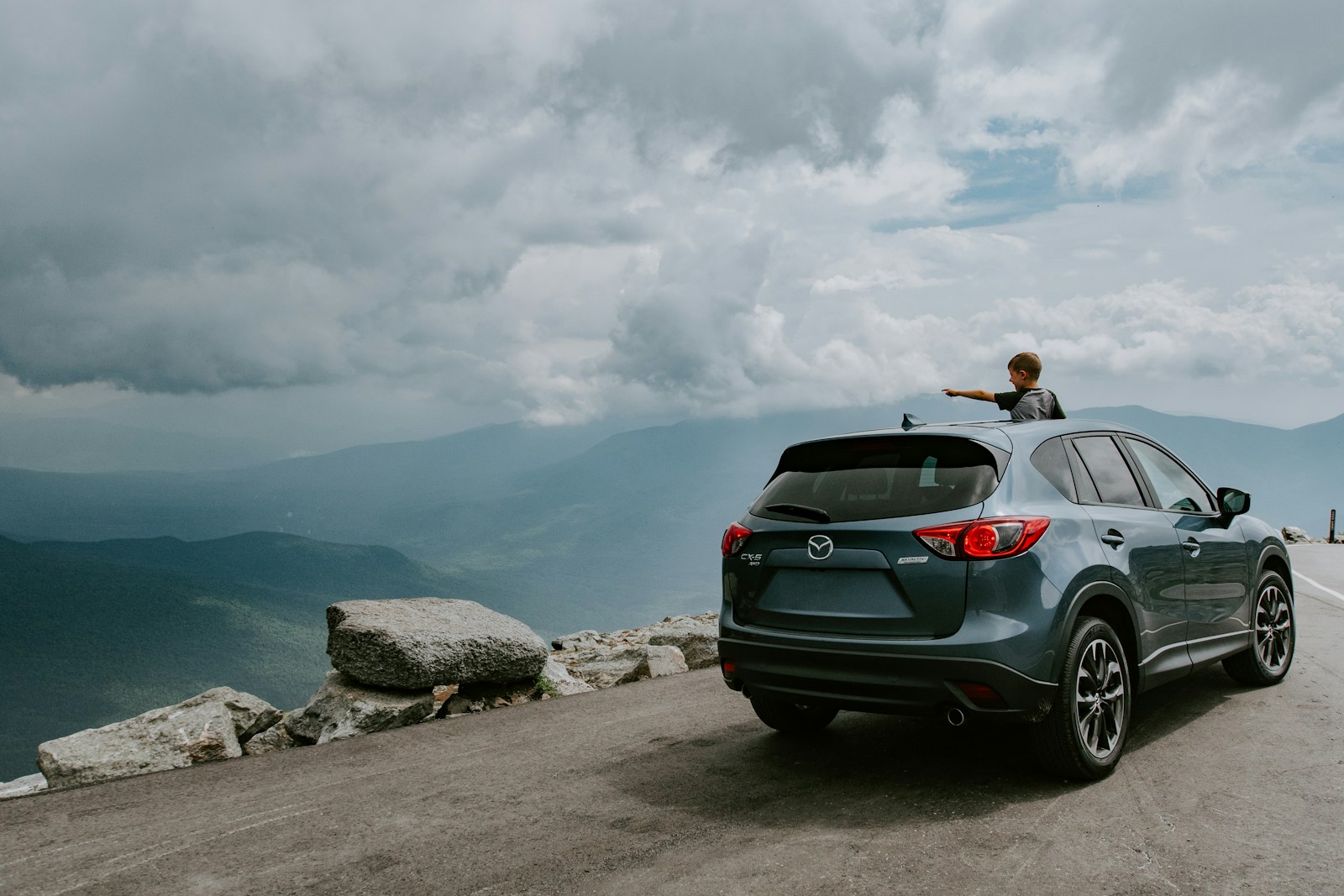

By the time they were stuffing duffel bags into the trunk, it had already been decided—quietly, casually, like it was the most obvious thing in the world—that he’d be the one driving. Not because he loved driving, or because he’d offered. Because he had the biggest SUV.
It was supposed to be a clean, easy friend trip: four people, one long weekend, a rental cabin a few hours away, and a bunch of half-planned stops on the way. He’d just bought the SUV a few months earlier, the kind with roomy back seats and enough cargo space that people make little jokes about moving in. The jokes were fine, until they stopped sounding like jokes.
The group chat had been all excitement—playlists, snack debates, “we should totally stop at that roadside place” energy. But when it came to logistics, the tone shifted into this smooth assumption that his car was communal property and his time was the group’s schedule. He noticed it, but he also told himself it wasn’t worth being weird about.
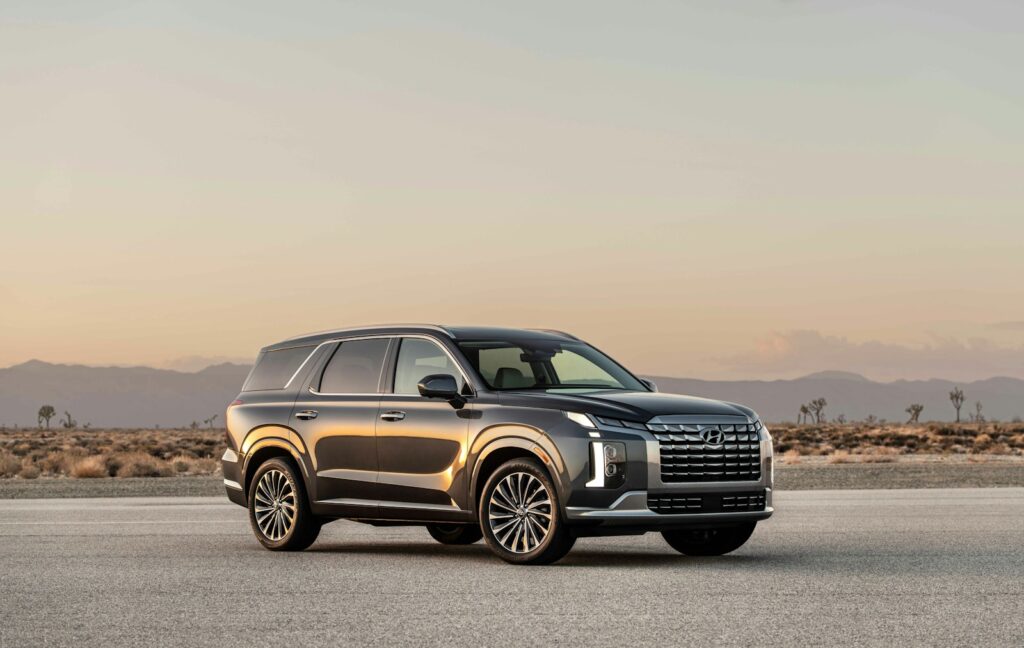
The “You Have the Biggest SUV” Rule
The first hint was how the conversation about vehicles went. One friend mentioned her sedan was “kind of tight” with luggage, another said his car “makes a weird noise on the highway,” and the third didn’t even pretend—he just said, “Dude, you have the SUV. That’s the trip car.” No one asked if he minded, or if he was comfortable driving that many hours.
He did the small pushback thing people do when they don’t want to be the bad guy. “I’m fine taking it, but I don’t want to drive the entire time,” he said, basically handing them an easy out. They all agreed too quickly, the way people agree when they plan to forget later.
Then came the loading plan. They didn’t ask what he wanted packed where; they just started calling dibs on seats like it was a shuttle. Front passenger became the “navigator,” which mostly meant DJ privileges and control of the aux cord, and the back seat became a sprawl of hoodies, fast-food bags, and someone’s oversized cooler that had no business coming on a three-day trip.
Road Trip Energy Turns Into “Car Service” Energy
The first hour was good—laughing, music, everyone in that sweet spot before nerves and hunger set in. But as soon as they hit traffic, the entitlement started showing its teeth. Every stop request sounded like a demand: bathroom, coffee, “can we swing by this place real quick,” as if he was the only one whose time didn’t count.
When he asked someone else to take a driving shift, it got brushed off like a minor inconvenience. One friend said she got “anxiety” driving bigger vehicles. Another said he “didn’t sleep well” and needed to “recover,” while continuing to scroll on his phone with both thumbs. The third offered to drive “later,” a vague later that floated further away with every mile.
By the time they stopped for gas the first time, he figured the awkward part would be money, not labor. He wasn’t even looking for anything dramatic—just the basic road trip courtesy where people toss in cash, Venmo, or at least ask what they owe. Instead, everyone wandered inside like it was a pit stop at a theme park.
He stood by the pump, watched the numbers climb, and waited for the moment where one of them would do the “how much was it?” thing. Nobody did. The friend with DJ privileges came back with an iced coffee and said, “Want one?” like that was the contribution.
The Gas Conversation That Should’ve Been Easy
He tried to bring it up lightly once they were back on the road. “Hey, we should probably split gas,” he said, keeping his tone neutral, like he was suggesting they split a pizza. It got quiet in the way a car gets quiet when everyone suddenly finds something fascinating outside their window.
Then the pushback started—soft at first, then sharper. One friend said, “But you were going to drive anyway,” like the SUV would’ve been burning gas in his driveway if they weren’t in it. Another said, “We paid for the cabin,” which was true, except they’d split the cabin evenly and he’d sent his portion days ago.
The third friend, the one who’d called it “the trip car,” went with a moral argument. “It’s kind of the trade-off,” he said. “You have the bigger car, so you bring the car. We handle other stuff.” It was said with this calm confidence that implied the deal had been written down somewhere and he’d missed the meeting.
He asked what “other stuff” meant, and that’s when it got messy. Someone pointed out they’d bought snacks—snacks they’d chosen, mostly for themselves, and were already eating. Someone else said they’d “covered” a case of beer, which also wasn’t true because they’d split that too. It became this weird group effort to make his request sound petty.
The Cabin: Where the Car Became Everyone’s Trash Can
At the cabin, the vibe improved just enough to make him doubt his own irritation. They unpacked, grilled, did the whole weekend thing. He tried to let it go, telling himself he’d deal with the money stuff after, or maybe it would naturally correct itself when they saw how much driving he was doing.
But then the SUV turned into a rolling storage unit for everyone’s mess. People left empty chip bags in the door pockets, candy wrappers stuffed into cupholders, and a sticky ring of something sugary on the center console that nobody admitted to creating. At one point he watched a friend shake sand out of his shoes directly onto the floor mat like it was a public beach.
He made a couple of gentle comments—“Hey, can we keep the trash in a bag?”—and got the kind of nods that mean “sure,” not “I’m doing it.” The trash bag stayed empty. The car kept filling up with the tiny evidence of people treating the space like it wasn’t attached to someone’s actual life.
The last straw wasn’t even the trash. It was when they decided, without asking, that the SUV would be the errand vehicle all weekend—ice runs, firewood, a “quick” drive into town for breakfast that turned into a two-hour detour because someone wanted to “just look” at a souvenir shop. Every time keys jingled, heads turned toward him like he was the appointed driver of the group.
The Ride Home Blow-Up: Gas, Cleaning, and the Thing Nobody Said Out Loud
On the way back, he tried again. Different approach, more direct. “I need you guys to split gas with me. Also, the car’s a mess—can everyone pitch in to clean it out when we get back?” He wasn’t yelling, but he wasn’t smiling either.
This time they didn’t pretend not to hear. The friend in the passenger seat did that exaggerated sigh that fills a whole vehicle, then said, “We’re really doing this now?” like he’d brought up politics at a wedding. Another friend said she’d “help clean,” but then immediately followed it with, “I just don’t think it’s fair to ask for gas when it’s your car.”
He pointed out the obvious: it being his car was exactly why it was fair. The wear and tear, the mileage, the cleaning, the fact that he’d driven nearly every mile while they napped and watched videos. The response was basically a shrug dressed up as logic—“That’s just what happens when someone has the bigger car.”
And that was the moment the real issue popped into view. It wasn’t confusion about costs or some innocent misunderstanding about road trip etiquette. They genuinely believed his SUV made him the default resource, the group’s transportation plan, like ownership came with mandatory public service.
When they finally pulled back into town, they didn’t rally to help unload or clean. They grabbed their bags, mumbled “thanks for driving,” and scattered into their own cars like the trip had been something that happened around them. The DJ friend left behind a half-empty energy drink in the cupholder, and nobody circled back for it.
He sat in the driver’s seat after the last door shut, looking at the crumbs ground into the seat seams and the muddy prints on the back mat, and realized the money wasn’t even the sharpest part. It was how easily they’d accepted his effort as the baseline, then acted offended when he asked for anything back. And now he had to decide whether to swallow it and keep the friendships smooth, or name the thing nobody wanted to say out loud: they hadn’t treated him like a friend on that trip—more like a service they didn’t want to tip.