

He’d only planned to swing by his parents’ house for dinner and to pick up a box of old paperwork they’d found in the garage. It was one of those low-stakes weeknight visits: a little small talk, a quick plate of food, and then home. He parked his car in the driveway like he always did, the same compact sedan he’d bought two years earlier when his new job finally made it feel reasonable.
Inside, everything started normal until his mom asked, in that overly careful voice parents use when they’ve already made a decision, how his “payments” were going. Not how work was, not how he was feeling—specifically the payments. He made a joke about still loving the car even if the bank technically owned most of it, and his dad laughed a little too loudly, like he was buying time.
Then his younger sibling wandered in, phone in hand, complaining about how expensive used cars had gotten and how unreliable their current ride was. It sounded like background noise at first, the usual “adulting is hard” vent. But the parents kept glancing at each other, and it didn’t take long before the conversation snapped into focus: they weren’t just making conversation, they were winding up to ask for something.
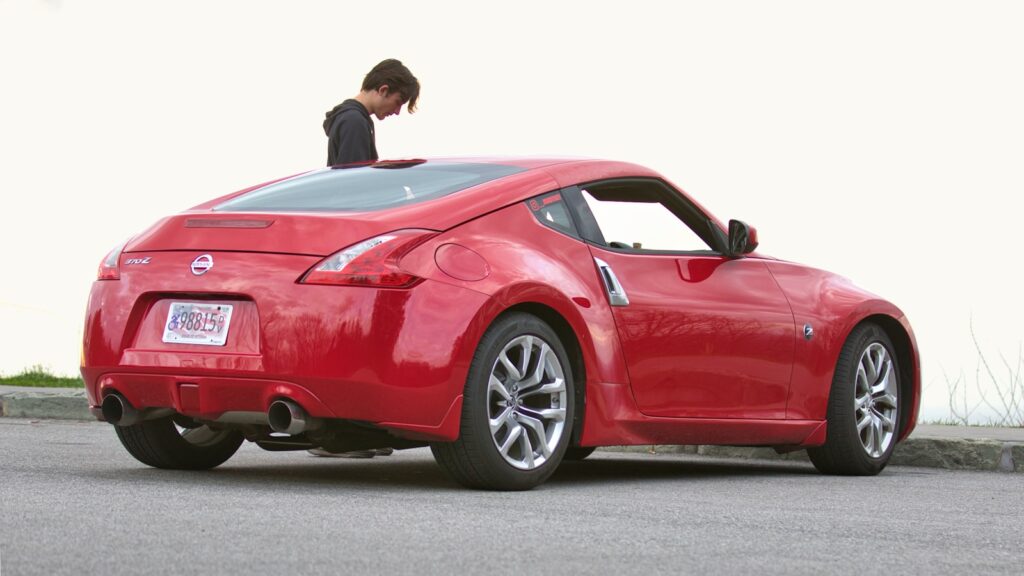
The dinner table “proposal”
After they ate, his dad cleared his throat and pitched it like a practical solution everyone would obviously agree with. The younger sibling needed a car for commuting, interviews, and “getting their life together,” and the family didn’t want them stuck. Meanwhile, the older sibling had “that better job now” and could “handle” upgrading or finding another vehicle.
The way the parents framed it was almost corporate, like they were presenting a budget plan. Their idea wasn’t that he should help with a down payment or share rides sometimes. They wanted him to give his younger sibling his current car—just hand it over—because he had more income and the younger one didn’t.
He stared at them for a second, waiting for the punchline that never came. He reminded them, calmly at first, that he was still making payments on the car. It wasn’t some paid-off beater sitting around; it was his daily driver, the thing he needed to get to work, and his name—and his loan—were attached to it.
His mom waved it off with the kind of confidence that comes from deciding you’re right before the conversation begins. “You’ll figure it out,” she said, like the issue was logistics, not basic ownership. The younger sibling didn’t say much, but they were sitting there listening like someone at an auction, waiting to see whether they were getting the item.
“You can afford it” turns into “you owe us”
When he repeated that he couldn’t just give away a car he was financing, his dad’s tone shifted. It became less “we’re asking” and more “we’re disappointed.” He started listing facts about his older sibling’s life—salary, stability, “no kids,” “no real expenses”—as if they’d been keeping a quiet spreadsheet.
That’s when the conversation got personal in a way that felt almost rehearsed. The parents reminded him of all the ways they’d helped him in the past: letting him live at home after college, helping with insurance paperwork, covering him on their phone plan for a while. They weren’t lying, exactly, but it landed like an invoice they’d been waiting to send.
He said he was grateful, but none of that turned into a legal or moral requirement to hand his property to someone else. His mom fired back with the line that always hits like a slap: “Families help each other.” In their version of that sentence, “help” didn’t mean contributing or sharing—it meant surrendering.
The younger sibling finally spoke up, saying they “just needed something reliable” and that he could “get something nicer anyway.” It wasn’t shouted, but it had that casual entitlement that makes your skin go hot. Like the older sibling’s car was already halfway in their possession, and they were being patient about the handoff.
The math they didn’t want to hear
He tried to bring it back to reality by laying out the numbers. The loan wasn’t paid off, and transferring a financed car wasn’t as simple as tossing keys to a sibling. If he gave them the car but kept the loan, he’d be paying for a vehicle he no longer controlled, and he’d be on the hook if anything happened.
If they wanted the car in their name, they’d need to qualify for the loan, refinance, and take over the payments. That’s when his parents went quiet for a beat, because that was the part they didn’t want to engage with. The whole “solution” relied on pretending paperwork and responsibility weren’t real.
His dad’s response was basically, “We’re not talking about all that.” It wasn’t a rebuttal; it was a refusal. His mom offered a workaround that sounded generous if you didn’t think about it for more than five seconds: the younger sibling could “pay him back eventually,” once they were “on their feet.”
He asked what “eventually” meant and who would cover insurance, registration, maintenance, and the inevitable fender-bender risk of a new driver or a stressed-out commuter. The younger sibling got defensive, insisting they weren’t irresponsible. But none of them offered actual guarantees, timelines, or a plan that didn’t leave him holding the bag.
The pressure campaign gets weirdly coordinated
When he didn’t agree on the spot, the vibe in the house soured fast. His mom started talking like his refusal was a character flaw, not a decision. She said he was being “stingy,” then “selfish,” then accused him of “forgetting where he came from,” as if a car payment somehow erased his upbringing.
His dad took a different angle and tried to make it sound like a compromise. Maybe the older sibling could “share” the car for a few months, or the younger sibling could “use it most days.” That was the moment he realized they were trying to slowly slide him into the same outcome, just with softer words.
He said no again, more firmly, and stood up to leave. His mom immediately asked if he was “really going to walk out over a car,” which is a neat trick when someone else is trying to take it from you. The younger sibling stayed quiet, but their expression had shifted—less hopeful, more resentful, like his refusal was a personal betrayal.
On the drive home, his phone lit up with texts that felt like they’d been drafted together. One from his dad about “doing the right thing.” One from his mom about “thinking about your sibling’s future.” And then one from the younger sibling: a long message about how hard things had been, how they felt left behind, and how he “didn’t understand” what it was like struggling.
What they really wanted wasn’t the car
Over the next few days, the argument kept reappearing in different outfits. Sometimes it was about fairness—how the younger sibling “deserved a break.” Sometimes it was about perception—how it “looked” that the older one had a decent job and a reliable car while the younger one scraped by. Every version of the conversation ended in the same place: they wanted the older sibling to absorb the cost of the younger sibling’s adulthood.
He offered alternatives, hoping something practical would land. He’d help them shop for a cheaper used car, co-sign only if there was a real plan, or contribute a fixed amount toward a down payment as a one-time gift. His parents treated those options like insults, because they weren’t actually about solving transportation; they were about him giving up something he had so the younger sibling wouldn’t have to wait.
The nastiest part was how quickly his parents started acting like the car was already theirs to allocate. His mom asked, in the middle of a separate conversation, whether his sibling would “need the spare key.” His dad brought up insurance quotes like they were setting up a policy, not trying to take possession of a financed asset that wasn’t in their name.
He told them, again, that no one was getting the car. Not now, not as a “shared” thing, not after a few more guilt trips. His parents went cold for a week—short replies, no casual check-ins—and then resurfaced with a new angle: what if he kept paying the loan, but the younger sibling paid him “a little” each month, like rent.
He didn’t even argue at that point. He just said he wasn’t comfortable, and that he needed them to stop asking. The last conversation ended with his mom saying, “I just don’t recognize you anymore,” which sat there like a threat: comply, or you’re not the good kid we can brag about.
What made the whole thing sting wasn’t just the audacity of asking for a car that still had a balance on it. It was the way his parents seemed to believe his better job meant his things were communal property, and his boundaries were optional. And now every family interaction had this unresolved tension underneath it—like the car in the driveway wasn’t just transportation, it was a test of loyalty they’d already decided he was failing.
More from Steel Horse Rides: