
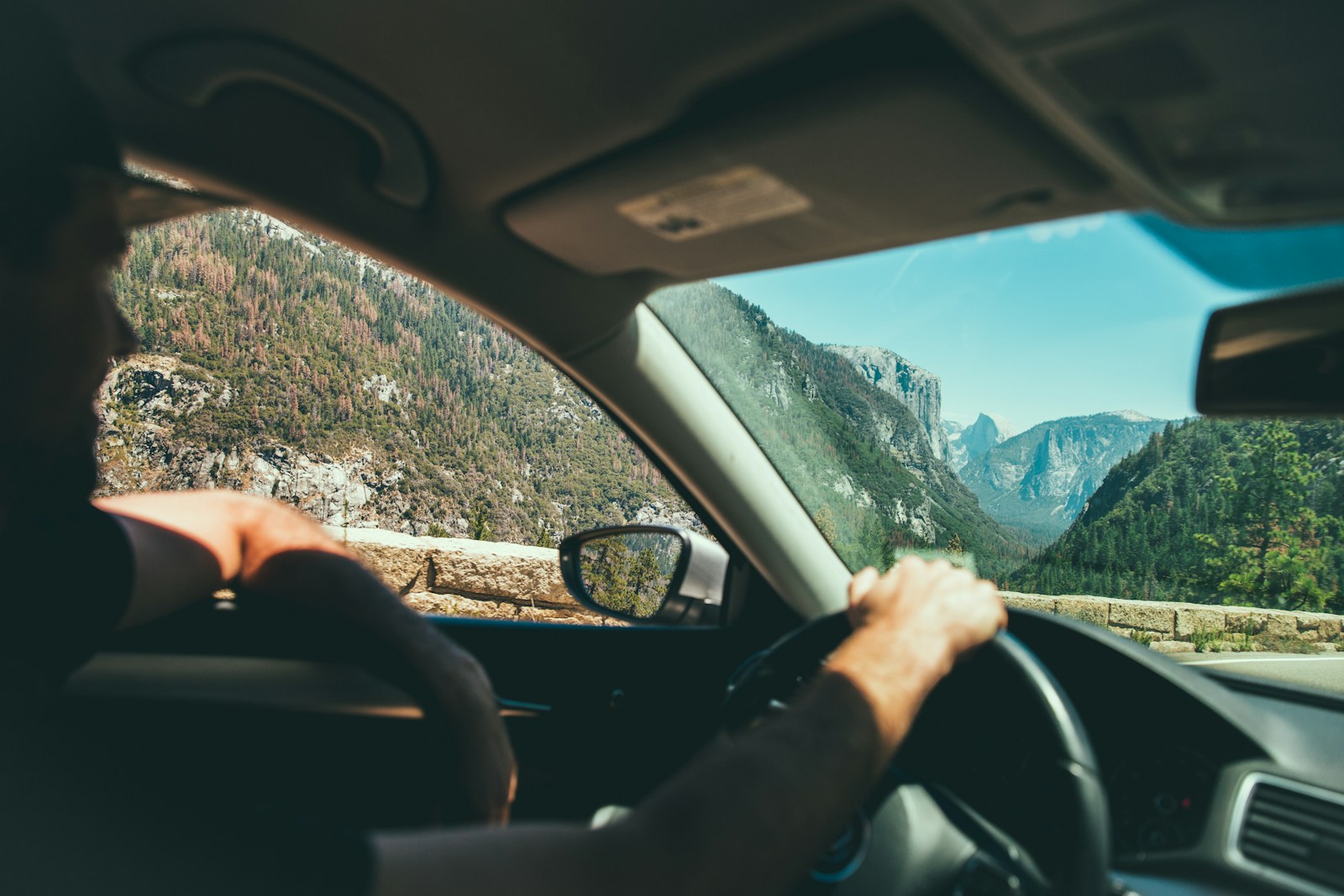

By the time they hit the first stretch of highway, he already regretted saying yes.
It was supposed to be a clean, easy road trip: one car, four people, a weekend getaway a few hours away. He’d offered to drive because his sedan was reliable, decent on gas, and—most importantly—he actually liked driving. His friends, on the other hand, acted like the inside of a vehicle was just a moving extension of a fast-food parking lot.
He didn’t realize how bad it was going to get until he heard the first telltale crinkle of a chip bag, followed by the soft thunk of something being wedged into the door pocket like it belonged there. When he glanced over, there was already a napkin stuffed next to the window controls. No one said a word. Nobody even looked up.
The “It’s Fine” Phase
The driver—let’s call him Matt—had rules, but they weren’t intense. No smoking, no open drinks without lids, and if you brought snacks, you took your trash with you at stops. He wasn’t asking for white-glove treatment; he just didn’t want sticky seats and mystery smells lingering for weeks.
The passengers were three friends he’d known long enough to assume basic courtesy would kick in. Two of them were a couple, Dan and Tessa, and the third was their buddy, Riley, who had the chaotic energy of someone who always “forgets” their wallet but remembers to order appetizers. Everyone had agreed to split gas and tolls, and Matt had been the one to map the route and coordinate timing.
The first hour wasn’t dramatic, just annoying in a slow-building way. Someone opened a soda and set it in the cupholder like it was a rental, then kept sloshing it over the rim. Someone else started peeling a granola bar wrapper and left it on the center console, right next to Matt’s phone cable. Each time Matt paused, hoping they’d pick up the hint, the trash just… stayed.
Crumbs, Cups, and the First Red Flag
At the first rest stop, Matt did the polite version of confrontation. He grabbed his own empty coffee cup, walked it to the trash can, and came back with his eyebrows raised like, your turn. Dan laughed and said, “Oh, yeah, we’ll clean up later,” as if “later” was a magical place where messes evaporated on their own.
They got back on the road, and the “later” promise turned into a running joke. Tessa ate something powdered—cookies or donuts—and it exploded into the seat fabric like confetti. Riley tried to be helpful by brushing crumbs off his lap, but he did it directly onto the floor mat, like that was an improvement.
Then came the first real moment where Matt’s patience snapped into focus. He reached down to adjust the passenger-side air vent and touched something wet. Not a spilled drink puddle—worse. A half-melted ice cube from somebody’s fast-food cup, sitting in a little moat of soda and condensation, seeping into the console seam.
The Car Stops Feeling Like His
Matt said something—still controlled, but pointed. “Hey, can we not leave stuff like this? It’s my car.” He expected an “Oh, sorry,” and a quick cleanup. Instead, he got the vibe of people being mildly inconvenienced by his audacity to care.
Riley gave a shrug that practically translated to, it’s not that deep. Dan started rummaging around and produced a tiny bag, like a grocery bag meant for a single apple, and declared it the “trash bag” for the rest of the trip. The bag immediately filled with air and one straw wrapper, then disappeared under someone’s feet.
The longer they drove, the more they settled into treating the backseat like a personal den. Someone kicked off shoes and wedged them against the seat. Tessa left an empty sauce cup in the door handle, where it tipped and smeared a shiny line down the plastic. Matt kept turning down the music to make a point, but the point never landed.
What made it worse wasn’t just the mess—it was the casual entitlement. They didn’t ask, “Is it okay if I eat this in here?” They didn’t do the tiny social things that signal respect. It was like the car had stopped being Matt’s property and started being “the group vehicle,” even though the only reason it existed on this trip was because Matt paid for it, insured it, maintained it, and drove it.
The Blowup at the Second Gas Stop
The argument didn’t happen in a cinematic scream-fest on the highway. It happened in that fluorescent purgatory between gas pumps and convenience store doors, when Matt opened the back door to grab a jacket and saw the full situation in daylight.
There were crushed cans rolling around like little metal tumbleweeds. Receipts, napkins, and straw papers were scattered across the seats. A banana peel—an actual banana peel—was tucked into the seat crease like someone had thoughtfully “stored” it for later. And in the corner of the floor, there was a small leak from a cup that had tipped over and never been addressed.
Matt didn’t yell, but he stopped doing polite. He told them, flat out, to get their trash out of the car before they got back in. Dan tried to laugh it off again, but Matt didn’t move. Tessa’s face hardened immediately, like she’d been insulted, not corrected.
Riley muttered something about Matt being “uptight,” and that was the spark. Matt said, “No, what’s uptight is thinking you can treat my car like a trash can.” He pointed at the banana peel, because honestly, how do you not point at a banana peel, and asked who did that.
Nobody claimed it. Everyone looked away. Which somehow made it worse, because it wasn’t even reckless—it was cowardly.
The Ride Home, and the Line He Drew
They cleaned, but it was that angry, performative kind of cleaning. Dan tossed stuff into the gas station bin with extra force. Tessa wiped a spot with a napkin like she was doing community service. Riley kept saying, “We get it,” in a tone that suggested Matt was the one causing discomfort, not the people who’d been marinating his upholstery in crumbs and soda.
The rest of the trip had this weird, stiff quiet. The couple whispered to each other and kept shooting looks forward like Matt was a teacher who’d confiscated their phones. Riley started wearing headphones, which felt like another little act of defiance—like he was refusing to be in the same social space as the person literally driving them where they wanted to go.
When the weekend ended and it was time to drive home, Matt made a decision before anyone got in the car. He told them there would be no food in the vehicle on the way back, and everyone would take their trash with them at every stop. Dan rolled his eyes and said, “Dude, it’s a car,” and Matt, without even raising his voice, replied, “Yeah. My car.”
The drive home was cleaner, but only because the tension had sucked all the fun out of it. No one played DJ. No one suggested stops. The whole thing had the vibe of a group chat that’s about to implode, except trapped in a moving vehicle with locked doors and shared air conditioning.
Once they got back, they piled out quickly, like escaping. Dan made a comment about Matt “freaking out over crumbs,” loud enough for Matt to hear. That’s when Matt said it—the thing he’d been thinking since the first wet napkin hit the door pocket.
He told them he wasn’t driving them anywhere again. Not for trips, not for concerts, not even across town. If they wanted a ride, they could call a rideshare or take their own car and treat it however they liked.
Dan acted personally wounded, like Matt had just ended a friendship over nothing. Tessa called it “petty” and said Matt was “making it a bigger deal than it is.” Riley didn’t even argue the point; he just got sarcastic and asked if Matt wanted them to “take their shoes off and bow” next time.
Matt didn’t budge. He said something that hit harder than the original complaint: that the trash wasn’t the real problem. The real problem was that they saw his things as disposable because it wasn’t theirs, and they expected him to swallow it because he was the one who said yes to driving in the first place.
And that’s where it stayed—stuck in that awkward space where the car is clean again, but the friendship isn’t. They still talk in group chats, still make plans, still pretend nothing happened, but the next time someone casually asks, “Can you drive?” there’s a pause. Matt knows they want the convenience back, and they know he’s not offering it, and nobody’s figured out how to admit the real insult wasn’t the mess—it was how comfortable they were making it.
More from Decluttering Mom: