


You notice lanes, arrows, and zebra crossings disappearing beneath traffic and weather. That makes it harder to judge where to go and when to stop, and recent surveys show one in six drivers has had a near-miss linked to faded markings. That rising number means faded road markings are a clear, everyday risk you can encounter on any trip.
They feel small compared with potholes or speeding, but missing lines force sudden lane changes, missed junctions, and last-second braking. The next sections explain how faded paint turns routine driving into high-stakes decisions and why road safety has worsened recently.
Faded Road Markings and the Spike in Near-Miss Incidents
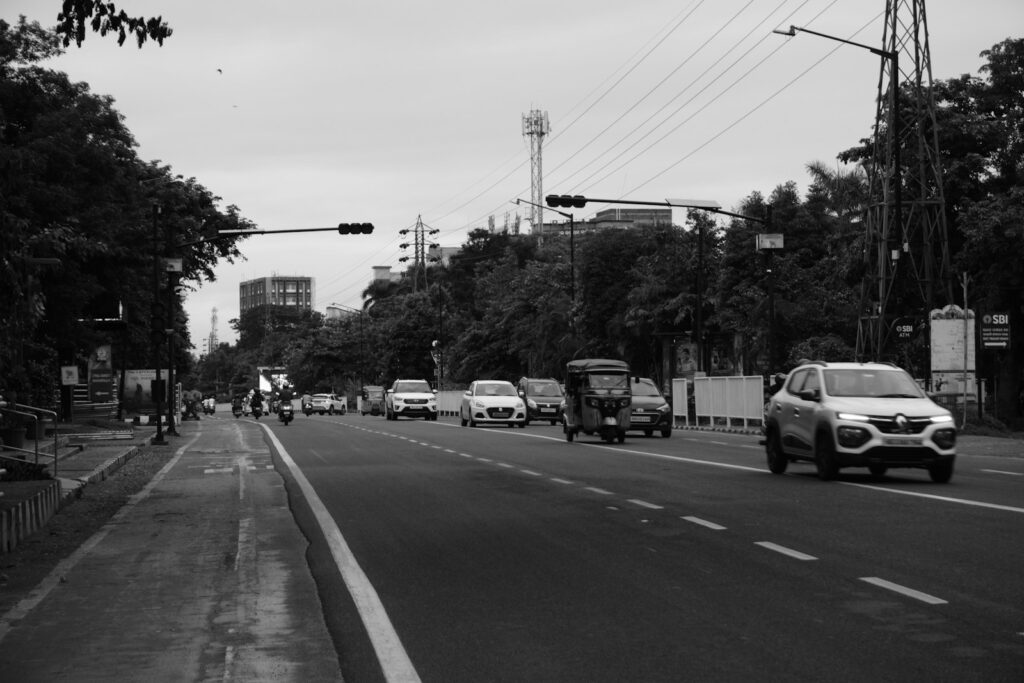
Drivers report worn center lines, missing arrows, and vanished stop lines that leave less time to react and increase the chance of last‑second lane changes. Nearly one in six motorists says a faded marking has already caused a near-miss, and many say the problem has worsened in recent years.
Consequences of Disappearing Road Markings
Faded road markings reduce visual cues drivers rely on for lane positioning and gap judgment. When center lines, lane dividers, or lane arrows fade, drivers spend more time scanning the road and less time watching other vehicles, raising cognitive load and reaction time.
Local authorities often defer repainting because of budget constraints, which transfers risk to road users. That increases incidents such as abrupt lane corrections, unexpected braking, and misreads at roundabouts — all common precursors to near-miss and low-speed collisions.
Growing Frequency of Near-Misses
RAC research found 16% of drivers reported a near-miss tied to faded markings, indicating a measurable rise in close calls. Respondents also said the issue has gotten worse over the last five years, suggesting a trend rather than isolated reports.
Near-misses cluster where traffic volumes are higher and markings wear faster — urban roundabouts, junction approaches, and older A-roads. Drivers describe being beeped, confronted, or forced to cut across lanes at short notice when they cannot rely on visible markings.
Most Commonly Faded Markings
Drivers identify several marking types that disappear first and create the most confusion:
- Center carriageway lines (single, double, broken) — reported by about half of drivers as most commonly faded.
- Roundabout and junction arrows — nearly half say these have dulled.
- Give way and stop lines — many say these have vanished at key junctions.
Other affected markings include yellow box markings, speed-limit road markings, and cycle lane paint. Each faded element removes a specific safety function, from lane discipline to speed awareness, increasing the chance of misjudged maneuvers.
Stop Lines and Junction Hazards
Stop lines and give-way markings define the safe stopping point and legal obligations at junctions. When these lines fade, drivers may overshoot junctions, misjudge right-of-way, or stop too far forward — all of which raise collision risk.
RAC polling shows a significant share of drivers have overshot junctions or had near-misses because stop lines were unclear. Repainting stop lines at priority junctions and signalised intersections yields immediate risk reduction by restoring clear stopping cues and reinforcing traffic control measures.
For further detail on the prevalence and safety concerns of faded road markings, see the RAC’s reporting on the issue.
Why Road Safety Is at Greater Risk Now
Faded pavement paint reduces lane clarity, obscures junction priority, and increases driver uncertainty. These factors contribute to more near-misses, wrong turns, and sudden lane changes that raise the immediate risk on urban and suburban streets.
Driver Experiences and RAC Research Findings
Drivers report practical, repeated problems when road markings fade. In an RAC poll, 16% said they experienced a near-miss specifically because markings were hard to see, and 13% said they overshot junctions after missing stop or give-way lines. Many drivers also described being beeped or having confrontations when lane boundaries blurred.
RAC head of policy Simon Williams highlighted that missing center lines, roundabout arrows, and stop lines create avoidable confusion. Drivers told the survey they increasingly guess lane positions at night or in rain, which raises the chance of sudden maneuvers and conflicts.
Impact on Lane Discipline and Junction Navigation
Worn center lines and lane markings undermine basic lane discipline. When broken or single white lines fade, drivers drift between lanes or hesitate to change, producing unexpected cuts and near-miss events.
Faded arrows and give-way paint at junctions make it harder to judge safe gaps and turning priority. That uncertainty leads to overshooting junctions, late braking, and last-second lateral moves—behaviors that commonly precede collisions in traffic crash studies.
Response from Road Safety Leaders
Road safety advocates and local authorities have flagged the trend as avoidable risk. The RAC urged councils and national policymakers to prioritize repainting, noting that markings exist to reduce precisely these driver errors.
Engineering teams increasingly incorporate near-miss data into planning to identify hotspots before crashes occur. Municipal road safety officers are also evaluating technologies—longer-lasting thermoplastic paint and raised markers—to extend visibility and cut maintenance frequency.
Urgent Need for Maintenance and Policy Action
Maintaining visible markings is a low-cost, high-impact countermeasure. Repainting priority locations—junctions, roundabouts, centers of carriageways, and pedestrian crossings—reduces ambiguity for drivers immediately.
Policy action can include scheduled audits, budgeted repaint cycles, and use of more durable materials in high-traffic corridors. Combining routine maintenance with near-miss monitoring gives authorities measurable targets and faster interventions to lower risk.
More from Steel Horse Rides: