
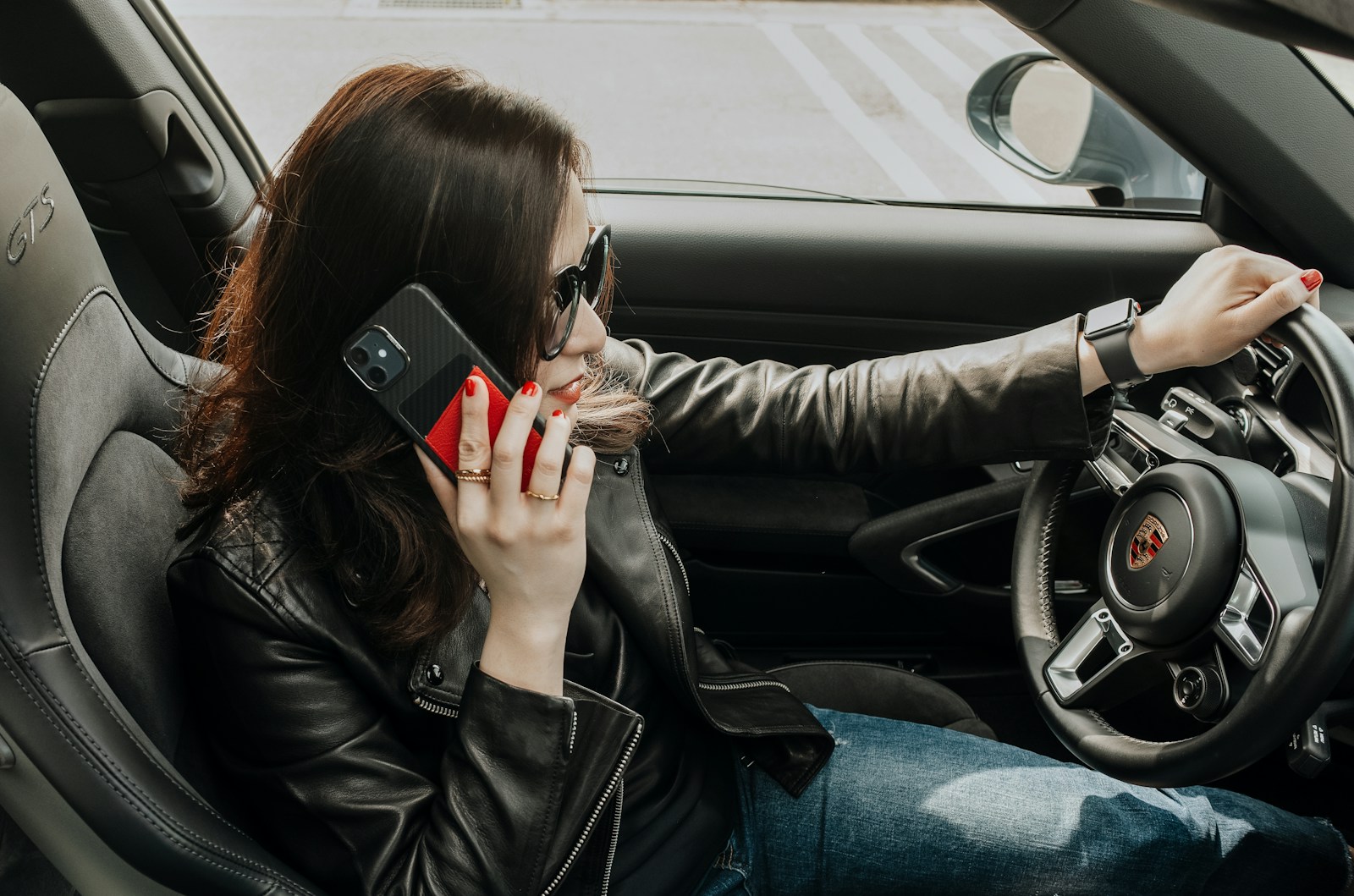

South Carolina drivers who reach for their phones at a red light now face a minimum $100 fine under the state’s Hands-Free and Distracted Driving Act, a law that ended its warning-only grace period in February 2025 and has been generating tickets statewide ever since. The statute, codified as SC Code § 56-5-3890, bans drivers from holding, touching, or otherwise manually using a wireless device while a vehicle is in motion or temporarily stopped in traffic.
South Carolina is not an outlier. It is part of a rapid, nationwide shift toward what safety advocates call “hands-free” or “touch” laws. Roughly 30 states now restrict handheld phone use behind the wheel in some form, according to the Governors Highway Safety Association, and several more are advancing bills in their 2026 legislative sessions. The trend reflects a grim underlying number: distracted driving killed 3,308 people in the United States in 2022, the most recent year with finalized data from the National Highway Traffic Safety Administration.
What South Carolina’s law actually prohibits
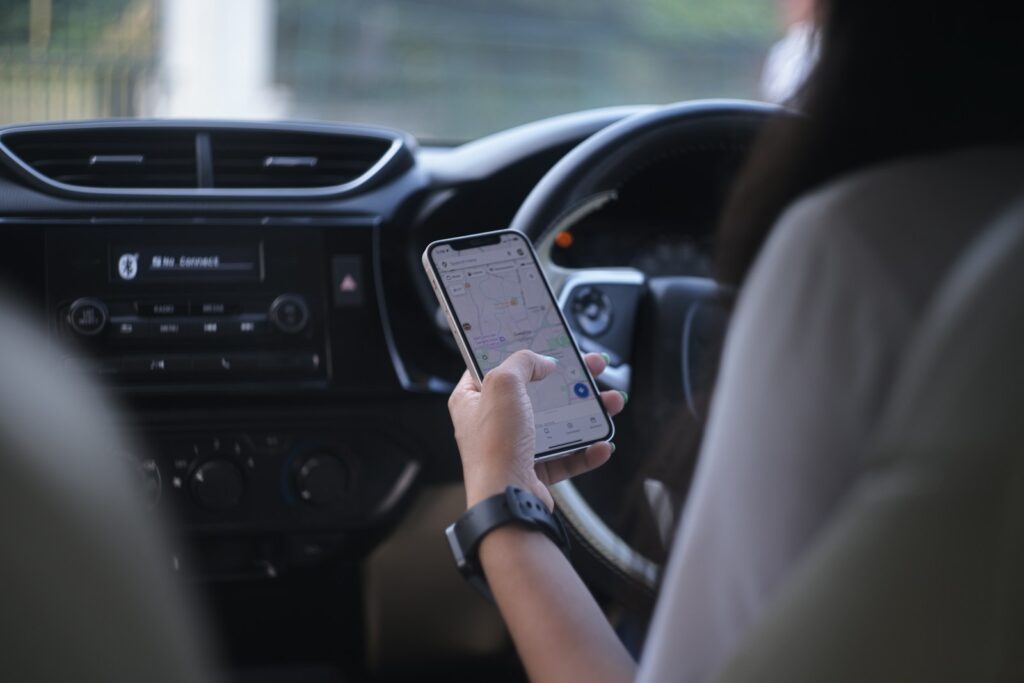
The scope of South Carolina’s statute catches drivers off guard because it goes well beyond texting. Picking up a phone to glance at a notification, scrolling a playlist, or swiping open a map app while rolling down I-26 all qualify as violations. The only interaction the law generally permits is a single tap or swipe to answer or end a call using a hands-free system, such as Bluetooth or a dashboard mount. Anything more requires the driver to pull over and park first.
Fines escalate quickly. A first offense carries that $100 minimum. A second offense within the same year doubles the fine to $200 and adds two points to the driver’s license, according to the South Carolina Department of Public Safety. The state’s highway patrol has framed the stakes in practical terms: at 55 miles per hour, a five-second glance at a screen sends a car the length of a football field, a statistic drawn from NHTSA research that officers have repeated in community outreach posts and traffic briefings.
The law applies equally to out-of-state visitors. Sheriffs’ offices in tourist-heavy areas like Myrtle Beach and Hilton Head have posted explicit warnings that an out-of-state plate will not earn a pass, a message echoed by community pages in neighboring North Carolina that have urged southbound travelers to stow their devices before crossing the border.
Louisiana, Ohio, and the states that moved first
South Carolina’s rollout followed a playbook already tested elsewhere. Louisiana’s hands-free law, Act 443, took effect on August 1, 2024, with a grace period that expired on January 1, 2025. Since then, first-time violators face fines starting at $100, with penalties climbing to $300 for third and subsequent offenses. The state also adds points to a driver’s record after repeated violations, raising insurance costs on top of the ticket itself.
Ohio updated its distracted driving statute in April 2023, making handheld phone use a primary offense under Ohio Revised Code § 4511.204. That distinction matters: officers can now pull a driver over solely for holding a phone, without needing to observe a separate violation first. The state’s “Phones Down. It’s the Law.” campaign specifies that anything beyond a single touch or swipe is generally prohibited unless the vehicle is parked. Bluetooth calls, voice-activated navigation, and mounted GPS devices remain legal.
Georgia was among the earliest adopters, signing its hands-free act into law in 2018. A GHSA analysis noted that Georgia saw measurable reductions in distracted-driving-related crashes in the years following enforcement, a data point that advocates in other states have cited when lobbying for similar legislation.
Where the next laws are headed
Florida is among the most closely watched states still tightening its rules. A bill filed in January 2026 by state Rep. Liv Caputo would ban drivers from holding a phone at all while operating a vehicle, replacing the state’s current law that only prohibits handheld use in school and construction zones. The proposal stacks escalating fines with the possibility of a 90-day license suspension for repeat offenders, a penalty that would be among the stiffest in the country if enacted.
North Carolina, which still lacks a comprehensive hands-free statute as of March 2026, has seen growing pressure from safety groups pointing to South Carolina’s law as a ready-made template. Advocates there argue that the patchwork of texting-only bans that many states still rely on is increasingly out of step with how people actually use their phones, since checking social media, adjusting a podcast, or video-calling are all activities that a texting ban technically does not cover.
The enforcement question
Passing a hands-free law is one thing. Enforcing it consistently is another. Officers in states with active statutes say the most common challenge is proving that a driver was manipulating a phone rather than simply holding it near the steering wheel. Some departments have begun training officers to document phone position and screen activity during stops, and a handful of jurisdictions overseas, notably in Australia and the United Kingdom, have experimented with AI-powered cameras that detect phone use at speed.
No U.S. state has deployed that technology at scale as of early 2026, but the conversation is underway. For now, enforcement relies on traditional traffic stops, which means the laws function partly as deterrents. Early data from Georgia and other pioneer states suggests that the deterrent effect is real, but incomplete: compliance tends to spike immediately after a grace period ends and then gradually erodes without sustained enforcement campaigns.
What is not in dispute is the direction of the trend. The era of the texting-only ban is fading. In its place, a broader standard is taking hold: if a driver’s hand is on a phone for any reason while the vehicle is in gear, the law treats it as a violation. For the roughly 30 states that have already adopted some version of that rule, the remaining question is not whether to enforce it, but how aggressively.
More from Wilder Media Group: