
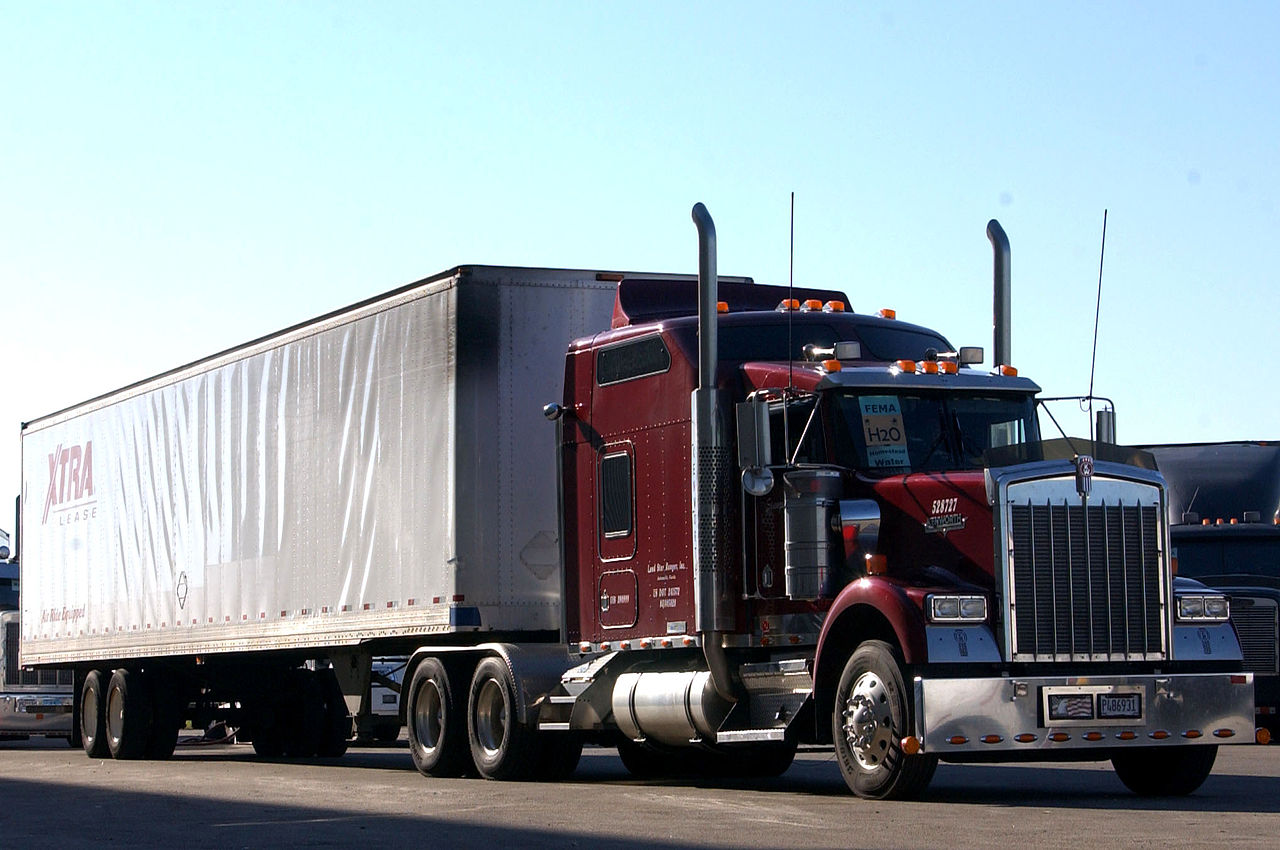

You haul heavy loads and need to know if new rules will change your routes, permits, or bottom line. If your vehicle weighs more than 10,000 pounds and you drive on seasonal or locally posted routes, expect lower axle limits and a 35 mph cap that can trigger fines and repair liability if ignored.
They will explain which roads get reduced axle weights, how much limits drop on asphalt versus concrete, and why slower speeds matter during thaw. Stay tuned to learn how to check route designations, adjust loads or speeds, and avoid costly violations.
Key Changes: Weight Limits and the 35-MPH Rule
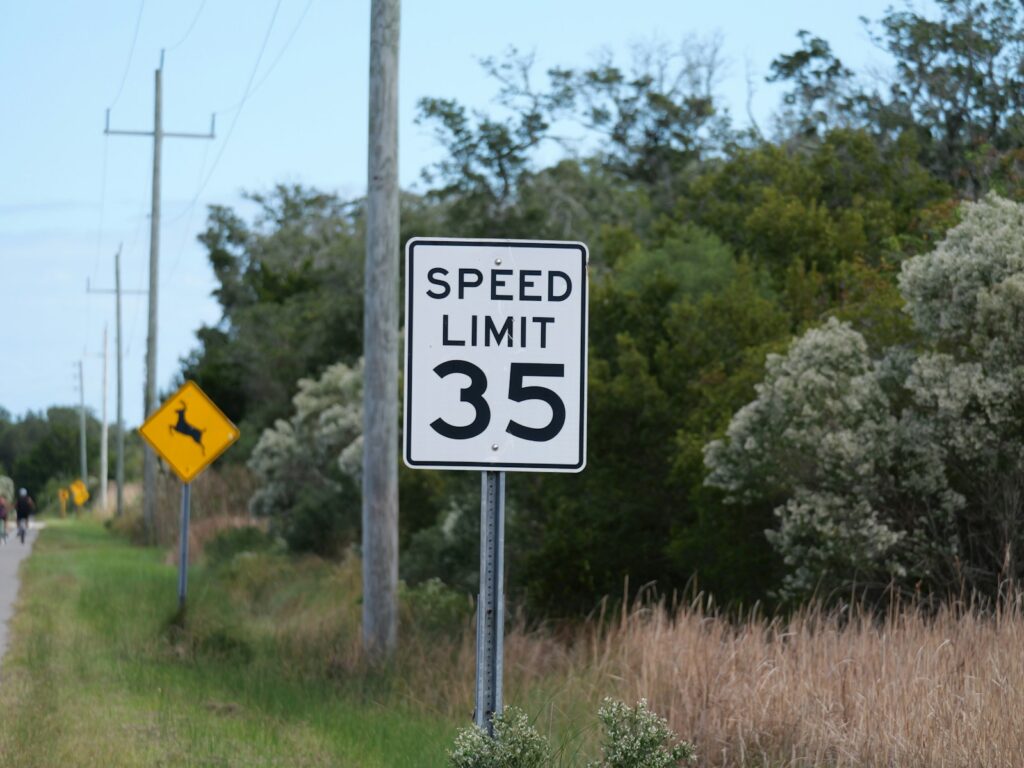
The rules lower allowable axle loads on many roads during spring thaw and add a 35‑mph cap for heavier vehicles on seasonal routes. Drivers must check route designations, posted signs, and permitting options before they plan trips.
Where and When the New Rules Apply
State and local agencies trigger seasonal weight restrictions when frost depth and moisture make pavements vulnerable. MDOT and county road commissions typically post limits in early spring; timing varies by region and can start in March in much of the Lower Peninsula. Drivers should confirm active dates on the MDOT Truck Operators Map and at michigan.gov/truckers before departure.
The rules apply to vehicles over 10,000 pounds gross vehicle weight, including commercial trucks, delivery vans, some RVs, and certain heavy SUVs. Exemptions or permits may exist for emergency, utility, or propane delivery vehicles — carriers must request permits from the relevant road agency in advance.
Speed Limits for Heavy Loads
Where seasonal weight limits apply, authorities commonly impose a 35‑mph maximum for vehicles over the weight threshold to reduce dynamic loading. Driving faster increases pavement stress and can trigger fines or permit suspension if enforcement determines the speed contributed to damage.
Law enforcement enforces the reduced speed just like other traffic limits; citations may carry higher penalties in protected zones. Fleet policies should instruct drivers to slow to 35 mph immediately when entering posted seasonal restriction zones and log speeds via telematics to document compliance.
Routes Affected and Road Types
Affected routes include many state trunkline highways and county roads; MDOT designates all‑season versus seasonal routes on its truck map. Major corridors often listed with seasonal guidance include I‑94, US‑10, US‑127, US‑2, and US‑23, though specific segments may be exempt as all‑season routes.
Flexible (asphalt) pavements typically receive larger axle‑weight reductions than rigid (concrete) pavements because asphalt softens more during thaw. Urban arterials with consolidated base layers may be posted differently than rural secondary or gravel roads, which often face the strictest limits and lower speed advisories.
Penalties and Enforcement
Penalties range from standard traffic fines for speeding to substantial weight‑violation fines; willful or repeated violations can escalate to higher fines, permit revocation, or civil liability for pavement repairs. Some jurisdictions may pursue reckless driving charges if heavy vehicles ignore closures or posted 35‑mph limits and cause damage.
Enforcement combines routine patrols, weigh stations, and targeted checks using permits and telematics data. Carriers and drivers should keep manifests, axle‑weight calculations, and any overweight permits on hand when stopped. Checking the MDOT seasonal bulletins and county road commission notices reduces the risk of surprise citations and repair‑cost liability.
Understanding the Impact of New Restrictions
These rules reduce allowable axle loads, impose a 35-mph speed cap on certain routes, and target damage during spring thaw on state trunkline highways. Drivers, carriers, and route planners must adjust loads, speeds, and schedules on specified corridors to avoid fines and pavement damage.
Spring Weight Restrictions Explained
Spring weight restrictions lower maximum axle and gross weights on affected roads while frost is thawing. In Michigan, MDOT applies these limits on designated state trunkline highways and posts maps on the MDOT Truck Operators Map and Michigan’s trucking page (michigan.gov/truckers). Limits often require reducing total load by a percentage (commonly around 35%) on rural and urban segments where subgrade thaw makes pavement vulnerable.
Enforcement is active on corridors such as I‑94, US‑10, US‑127, US‑2, and US‑23 when MDOT issues notices. Fines typically scale by excess pounds per pound over thresholds, so small overloads can still carry costs. Carriers should check MDOT updates daily and plan loads to legal axle distributions rather than relying on gross weight alone.
Effects on Truckers and Commercial Drivers
Truckers face immediate operational impacts: reloading, using lighter trailers, or taking alternate routes to avoid restricted trunklines. Owner-operators must decide between offloading to meet a 35% reduction or paying escalating per‑pound fines. Fleets should update manifests, adjust dispatch software, and alert drivers about which segments—urban stretches of US‑23 or rural stretches of US‑2, for example—have active restrictions.
Speed limits tied to the rule (35 mph on certain routes) increase trip time and can affect delivery windows and fuel planning. Compliance reduces liability for damage claims but can raise short‑term costs from extra trips or transloading. Dispatchers should use MDOT’s posted maps and weekly notices to minimize detours and citations.
Protecting Roads During Thaw Season
The restrictions aim to prevent rutting and structural failures when frost leaves the subgrade saturated and weak. Heavier axle loads concentrate stress and accelerate failures that can require costly reconstruction—sometimes millions per mile—so limiting axle load and speed preserves pavement life on I‑94 and other high‑use corridors.
Practical protections include enforcing axle spacing, reducing single‑axle loads, and maintaining lower speeds to cut dynamic loading. Local and state DOTs post seasonal restrictions and maps (see MDOT’s Truck Operators Map and michigan.gov/truckers) to guide routing decisions. Drivers who follow posted limits help avoid fines and extend the service life of both urban and rural trunklines.
More from Steel Horse Rides: