
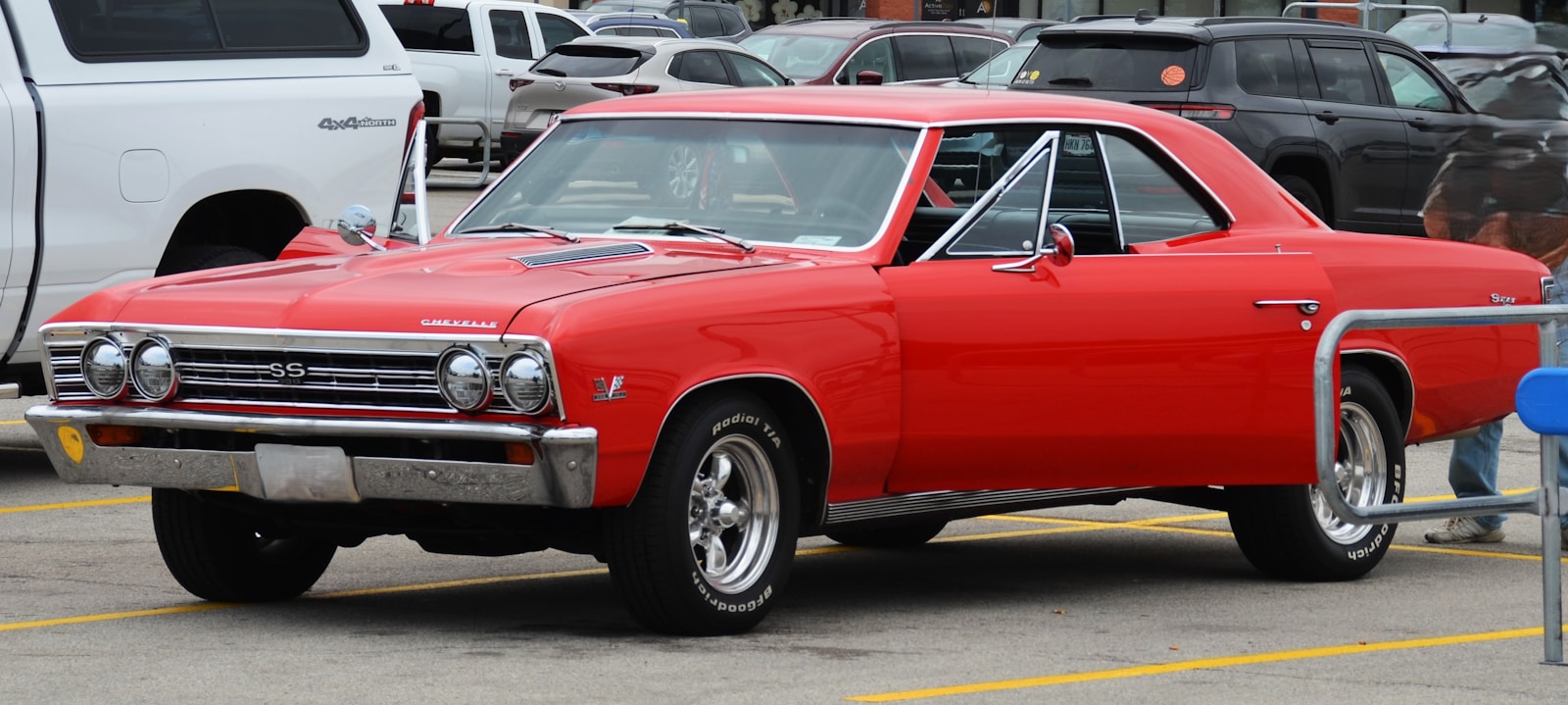

Chevrolet advertised the 1969 COPO 427 Chevelle’s big-block at 425 horsepower. The NHRA, which had to classify the car for handicap racing, put the real number at 450 horsepower — a 25-horsepower gap between what the factory printed on the window sticker and what an independent racing body determined the engine actually made. That gap is the whole story of muscle car marketing: sometimes the advertised number undersold the car, and sometimes, decades later, a factory claim would turn out to be so real that NHRA had to ban the car from competition over it.
The 1960s Underrating Era Ran the Numbers Backwards
During the muscle car era, factory horsepower ratings frequently had nothing to do with real output, and not in the direction most people assume. Insurance restrictions and NHRA class rules gave manufacturers a reason to lowball advertised power rather than inflate it — a lighter official number kept a car in a more favorable racing class and off insurers’ high-risk lists. The COPO Chevelle’s 425-versus-450 gap is one documented case; the 1969 ZL-1 Corvette’s 427 was listed at 430 horsepower but later assessment found it producing closer to 560. In both cases, the factory spec sheet was the marketing fiction, and outside verification — NHRA’s own classification numbers among them — was what got closer to the truth.
Then a Modern Factory Car Broke the Rulebook Itself
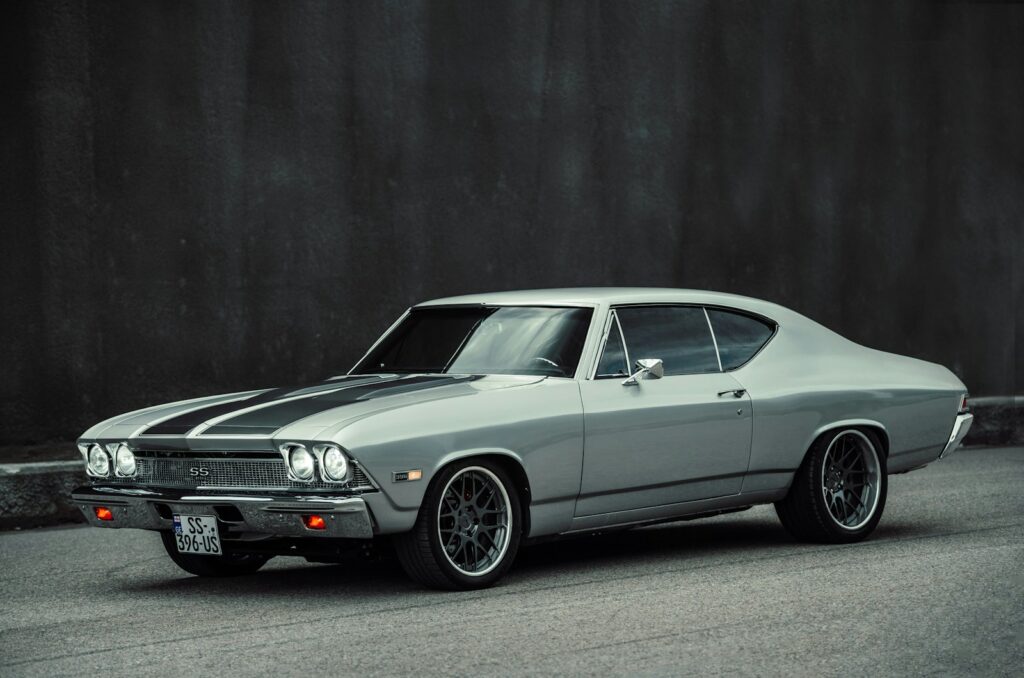
The 2018 Dodge Challenger SRT Demon flipped that dynamic entirely. Dodge claimed a 9.65-second quarter mile at 140.09 mph, and the car backed it up — so completely that the NHRA banned the Demon from competition outright, because any car running under 10 seconds in the quarter mile is required to run an NHRA-certified roll cage, equipment a factory-stock Demon didn’t have. This wasn’t NHRA catching an inflated claim; it was NHRA’s own safety rulebook confirming the claim was too real to let the car race unmodified. A number that fast, from the factory, on a warranty-covered production car, is precisely the kind of claim that decades of muscle car marketing hype almost never actually produced.
It Happened Again, Not by Accident
Dodge repeated the trick with the 2023 Challenger SRT Demon 170, which posted an 8.91-second quarter mile and a claimed 0-60 time of 1.66 seconds — and drew the identical NHRA ban, again over the missing roll cage and parachute required for a car running that quickly. Two separate model years, two separate factory claims, and two identical rulings from the same sanctioning body confirming both numbers were legitimate rather than optimistic. That’s a pattern, not a one-off marketing stunt that happened to get lucky at a press event. Notably, Dodge’s own Challenger R/T Scat Pack 1320 was engineered specifically to be legal for NHRA Stock and Super Stock competition rather than to chase a headline number, which is its own quiet admission of how differently a manufacturer builds a car when the number has to hold up under an official time slip instead of a press-kit stopwatch.
Most Factory Claims Never Face Either Test
What makes the COPO Chevelle and the Demon useful bookends is how rare that level of scrutiny actually is. Most manufacturer-claimed 0-60 and quarter-mile figures for modern muscle cars are never checked against an NHRA classification number or an NHRA safety threshold at all — they’re simply printed in a press kit and repeated everywhere else without an independent body ever weighing in. The COPO Chevelle got checked because NHRA needed a real number to build a fair class structure. The Demon got checked because it was so fast it forced NHRA’s hand on safety grounds. Everything in between is a claim resting entirely on the manufacturer’s word.
What Separates Real From Hype
The throughline across both eras isn’t that automakers always exaggerate or always undersell — it’s that the number only becomes trustworthy once it collides with an outside standard that has no stake in how good the car looks on paper. NHRA’s classification system and NHRA’s own safety rulebook are two of the few forces that have ever done that collision-testing at scale, and in both directions — catching manufacturers underselling their engines in 1969 and confirming they weren’t overselling them in 2018 — they’re the closest thing muscle cars have ever had to a lie detector that works both ways.