

Federal safety regulators have opened a new investigation into more than 1.2 million Ford Explorers over a problem nobody wants to picture: a side airbag that goes off and burns the person sitting next to it.
The National Highway Traffic Safety Administration opened the probe on Nov. 6, according to its investigation opening report. It is labeled preliminary evaluation PE26008, and it covers 1,236,155 vehicles.
The Probe Covers 1,236,155 Explorers From The 2021 To 2026 Model Years
The investigation includes 2021 through 2026 Ford Explorers. That includes the Police Interceptor models used by law enforcement agencies.
The Explorer is one of the best-selling three-row SUVs in America, and it is a common sight in family driveways and on patrol. A number this large means a lot of owners could be affected if the investigation leads to action.
For now, that is the key point. It is an investigation, not a recall, and nobody is being told to park their vehicle.
Seat-Mounted Side Airbags May Deploy And Burn Front Occupants
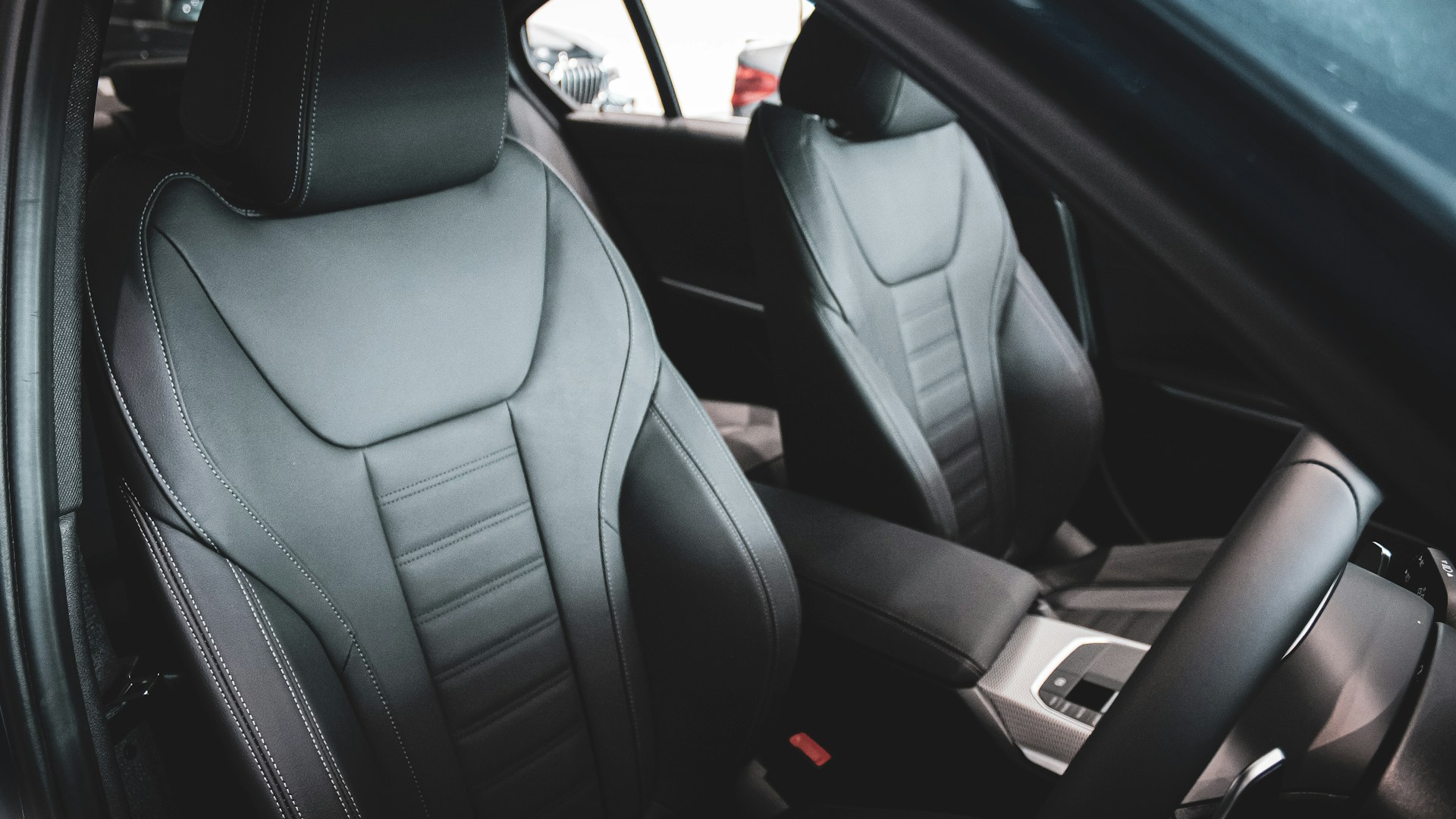
The concern, as the agency describes it, is the side airbags mounted in the seat. They may deploy in a way that burns the front-seat occupants.
Side airbags built into the seat are designed to inflate quickly between the occupant and the door in a side crash. They are one of the most important protections in a modern vehicle, which is exactly why a defect in them gets attention.
Airbags work by firing a chemical charge that fills the bag with gas in a few thousandths of a second. That is a violent event by design, and it is why engineers go to great lengths to make sure it only happens when needed.
Eight Owner Complaints, Four Early Warning Reports, And 10 Injuries
The agency says it received 8 complaints from owners, plus 4 early warning reports from the manufacturer. Those reports account for 10 injuries, mostly second and third-degree burns.
No deaths have been reported.
Second-degree burns damage the deeper layers of the skin and can blister and scar. Third-degree burns go through all layers of skin and are the most serious category. Those are painful injuries, and they are the reason regulators moved quickly.
Police Interceptor Utility vehicles are built on the same platform and are used hard by departments around the country, so any airbag concern touching those cars matters to officers as well as families. Fleet managers often track recall and investigation notices closely for exactly that reason.
The filing counts 8 owner complaints and 4 early warning reports. Early warning reports are data that manufacturers must send to the government on a regular basis, covering injuries, deaths and certain claims, and investigators use them to spot trends early.
That is also why your own report matters. A single complaint can look like a one-off, but a handful with a similar story can spark a case like this one.
A Preliminary Evaluation Is Where Many Safety Probes Begin
NHTSA opens a preliminary evaluation to gather information. Investigators typically ask the manufacturer for data on complaints, warranty claims, testing and design, then decide whether to close the case or move to the next step.
If the agency finds a pattern that points to a safety defect, it can upgrade the case to an engineering analysis. From there it can ask the automaker to issue a recall. A manufacturer can also decide on its own to recall vehicles at any point.
Many preliminary evaluations take months to resolve, and some end without a recall. Nothing in this case has been decided yet.
What Explorer Owners Should Do Now
Start by looking up your VIN. Go to nhtsa.gov/recalls, enter the 17-character number from the base of your windshield or the sticker inside the driver’s door, and see whether any open recalls come up for your vehicle.
Sign up for alerts from the agency if you can, and keep your contact information current with your dealer and your registration, so a notice will reach you if a recall is issued.
If you have had an airbag problem of your own, report it. Owners can file a complaint at nhtsa.gov, and those reports are exactly what investigators look at when they decide whether a pattern exists.
Anything that looks like heat, smoke or a burning smell after an airbag deployment should be treated seriously, and anyone injured should get medical care right away.
Keep The Facts In Perspective
With more than 1.2 million vehicles in the probe and 10 injuries reported, the numbers are small compared with the size of the fleet. But the type of injury is severe, and regulators do not take burn injuries lightly.
Airbags save lives. The vast majority of deployments protect occupants, and the right response to a story like this is to stay informed, not to turn anything off.
Do not disable or tamper with an airbag system on your own. That could remove protection in a real crash. Wait for official guidance and let the investigation do its work.
We will see where it goes next. For now, check your VIN, wear your seat belt on every trip, and keep an eye out for any word from Ford or from the agency.