
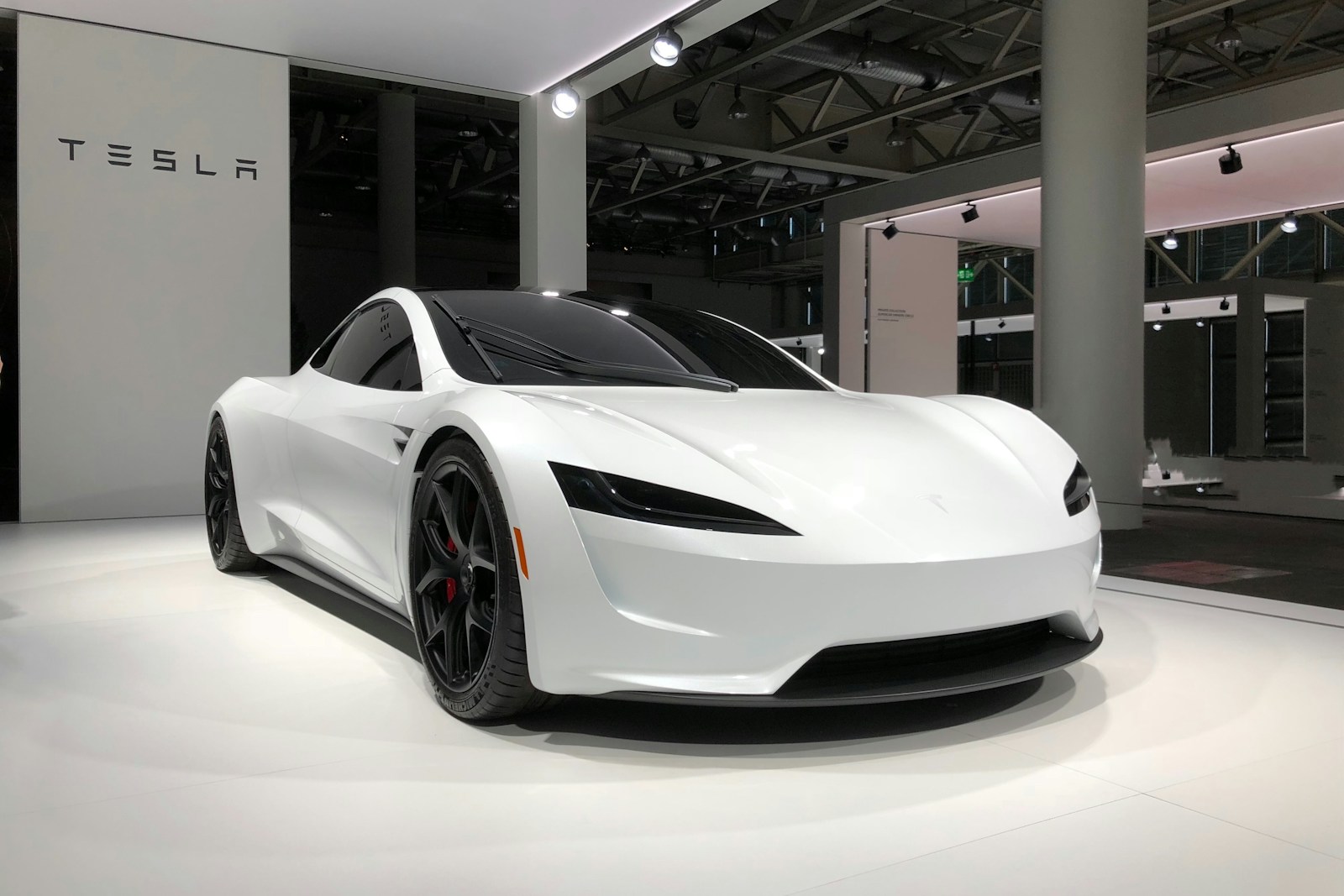

Tesla told federal safety regulators its headlights were too bright but not too dangerous. Regulators measured them at nearly double the legal limit and disagreed — and on July 17, they denied Tesla’s petition outright, forcing a recall of 20,349 vehicles.
The dispute centers on 2017-2023 Model 3 and 2020-2023 Model Y vehicles equipped with low-beam headlight assemblies from supplier Marelli Automotive Lighting. Federal Motor Vehicle Safety Standard 108 caps low-beam brightness at 125 candela in the zone that can glare oncoming drivers. Tesla’s own testing, filed with the National Highway Traffic Safety Administration, measured the affected lamps as bright as 230.1 candela — 105 candela over the line, or nearly double what the law allows.
Key Points
- 20,349 vehicles recalled — 18,735 Model Y and 1,614 Model 3
- Headlights measured at 230.1 candela against a 125 candela federal limit
- Tesla petitioned NHTSA in 2024 to skip the recall, arguing the defect was “inconsequential”
- NHTSA denied that petition in July 2026, forcing the recall
Tesla first flagged the noncompliance to regulators back in March 2024, then spent over two years arguing it shouldn’t have to fix it. The company’s core defense: the excess light fell in a narrow zone — 30 degrees inboard and 20 degrees upward — that it said sat outside where oncoming drivers actually look, and its own adaptive driving beam testing showed the cars met the separate illuminance table in FMVSS 108. Tesla also pointed out that its worst measurement, 230.1 candela, was well under the 450-470 candela range that got a similar General Motors petition denied, essentially arguing it was a smaller version of a problem regulators had already rejected once.
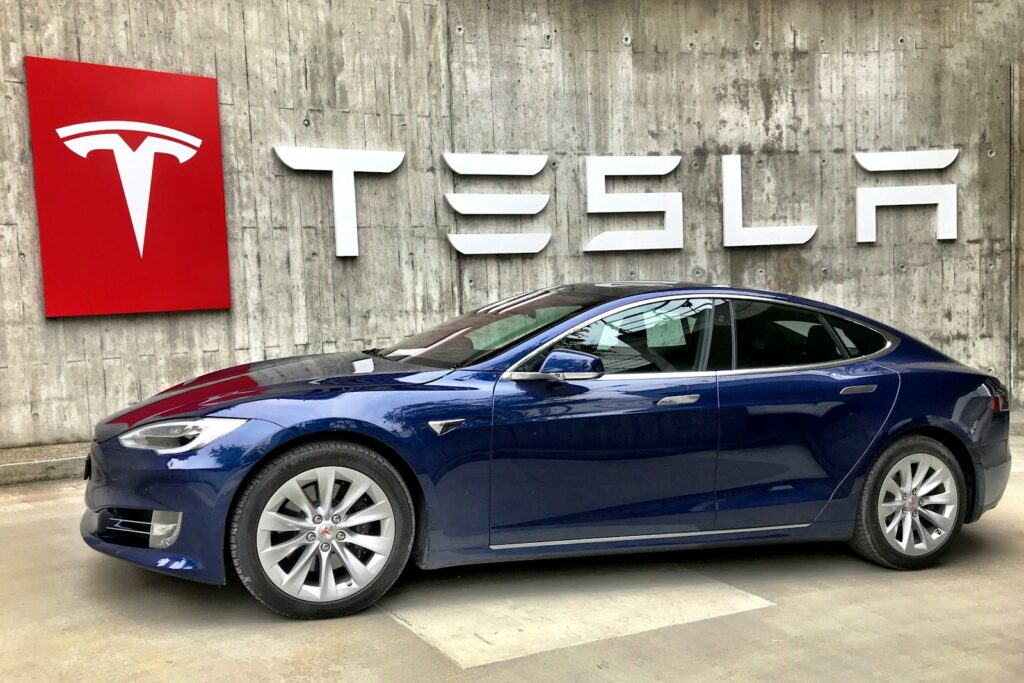
What’s Affected
- 2017-2023 Model 3
- 2020-2023 Model Y
- Specific low-beam assemblies: Marelli part numbers 1077371-98-L and 1077372-00-L
NHTSA wasn’t persuaded, and the agency’s denial notice lays out why in specific terms. It doesn’t treat an absence of owner complaints as evidence a defect is harmless — a standard Tesla leaned on. More pointedly, the public comment period on Tesla’s petition drew at least one filing describing actual experienced glare from these cars, plus a technical critique arguing Tesla’s ADB testing didn’t account for veiling glare in bad weather. Regulators found that critique persuasive enough to side against the automaker.
What Owners Should Do
- Owner notification letters are expected to be mailed by September 15, 2026
- Tesla’s remedy was still listed as “under development” in the filing as of the recall date, with the affected headlamp part numbers already identified
- Owners can call Tesla at 1-877-798-3752 with questions, referencing Tesla’s internal recall number SB-24-17-003
What stands out here isn’t the brightness numbers — headlight glare complaints are common across the industry as LED and matrix designs have gotten more aggressive. It’s that Tesla fought this one formally, in writing, through the federal petition process, and lost. Automakers get denied inconsequentiality petitions occasionally; it’s rarer for one to drag on for more than two years, get argued down to specific candela measurements and beam-angle degrees, and still end in a denial that forces a fix nobody wanted to do.