
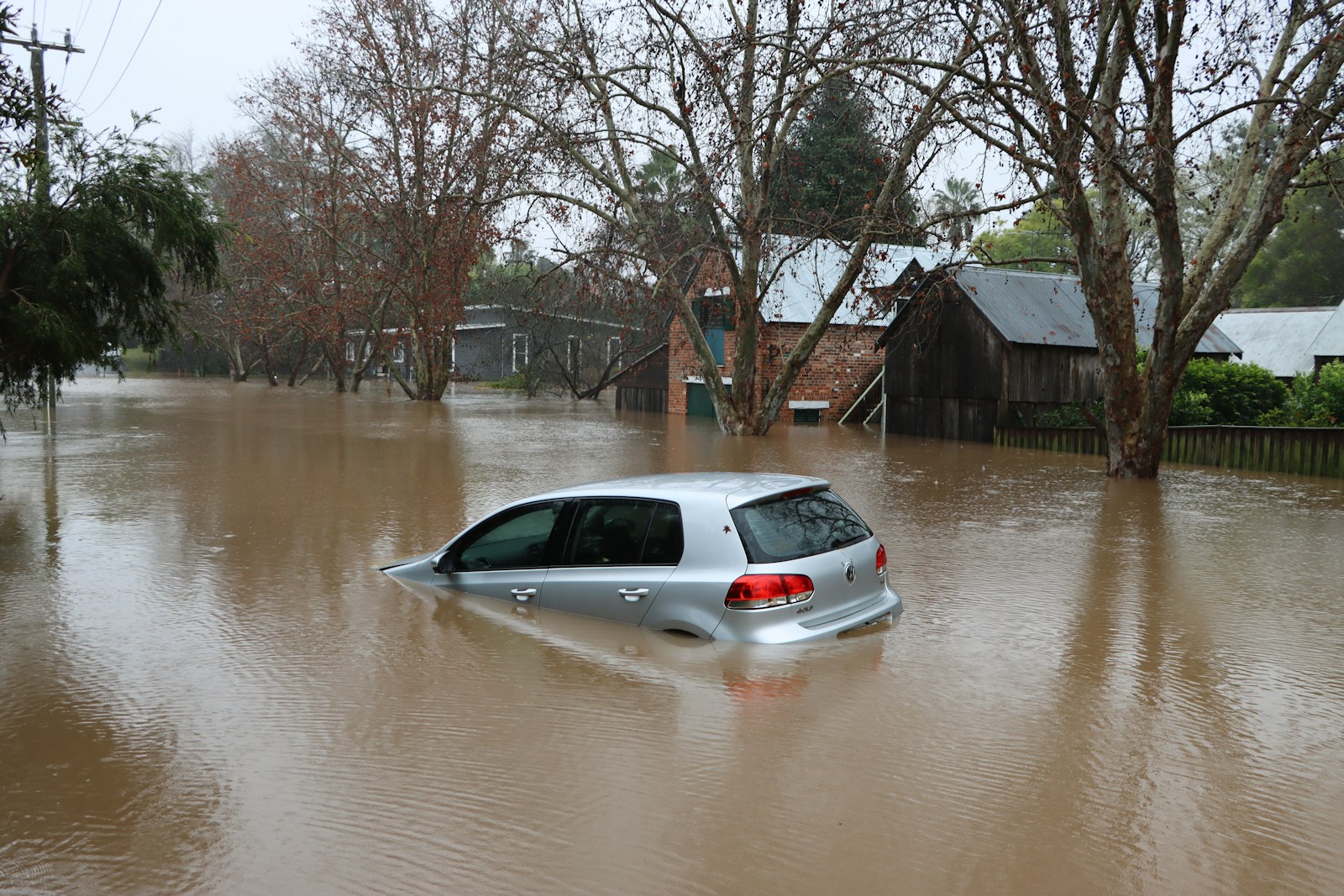

More than 500,000 vehicles were damaged by flooding in just the first half of 2025, according to CARFAX data, and the National Insurance Crime Bureau says a meaningful share of those cars are still being cleaned up and resold to unsuspecting buyers as peak Atlantic storm season arrives.
In an August 13, 2026 warning, the NICB said flood-damaged vehicles are frequently dried out, re-titled in a state without a “flood” brand on record, and sold hundreds of miles from where the damage actually happened — often without the buyer ever finding out. “Every major flooding event creates an opportunity for criminals to profit at the expense of consumers,” NICB President and CEO David J. Glawe said in the release.
The scale is significant. On top of the 500,000-plus vehicles flooded in the first half of 2025, CARFAX separately tracked another 45,000 vehicles damaged in flash flooding between April and July, led by Florida (82,100 vehicles), Texas (63,000), and Kentucky (32,000). “Flood-damaged cars don’t just stay in storm-hit areas; they show up all over the country, putting unsuspecting buyers at serious risk,” CARFAX Vice President Faisal Hasan said of the findings.

The NICB’s free VINCheck tool, originally built after Hurricane Katrina, has already processed nearly 3 million vehicle checks so far in 2026. NICB member insurers cover more than 92% of the U.S. auto insurance market, giving the database wide reach — though it only flags vehicles that participating insurers actually reported as flood losses, so a clean VINCheck result isn’t an automatic guarantee a car is undamaged.
Warning Signs of a Flood-Damaged Vehicle
- Musty or moldy odors that air fresheners can’t fully mask
- Water stains, silt, or mud in the trunk, under the seats, or in the spare-tire well
- Rust on screws, brackets, or metal components that shouldn’t normally be exposed to water
- Mismatched upholstery, carpet, or trim that looks newer than the rest of the interior
- A price that’s noticeably below market for the vehicle’s age, mileage, and condition
What Buyers Should Do Before Purchasing a Used Vehicle
- Run the VIN through NICB’s free VINCheck tool before buying
- Pull a full vehicle history and title-brand report, not just a basic insurance check
- Have an independent mechanic inspect the vehicle, including electrical components and under-carpet areas
- Be skeptical of any deal that looks unusually cheap for the car’s age and mileage
Floodwater can silently damage electrical systems, engines, transmissions, brakes, and safety equipment such as airbags — problems that may not surface for months after the sale, and that a quick test drive won’t reveal.