
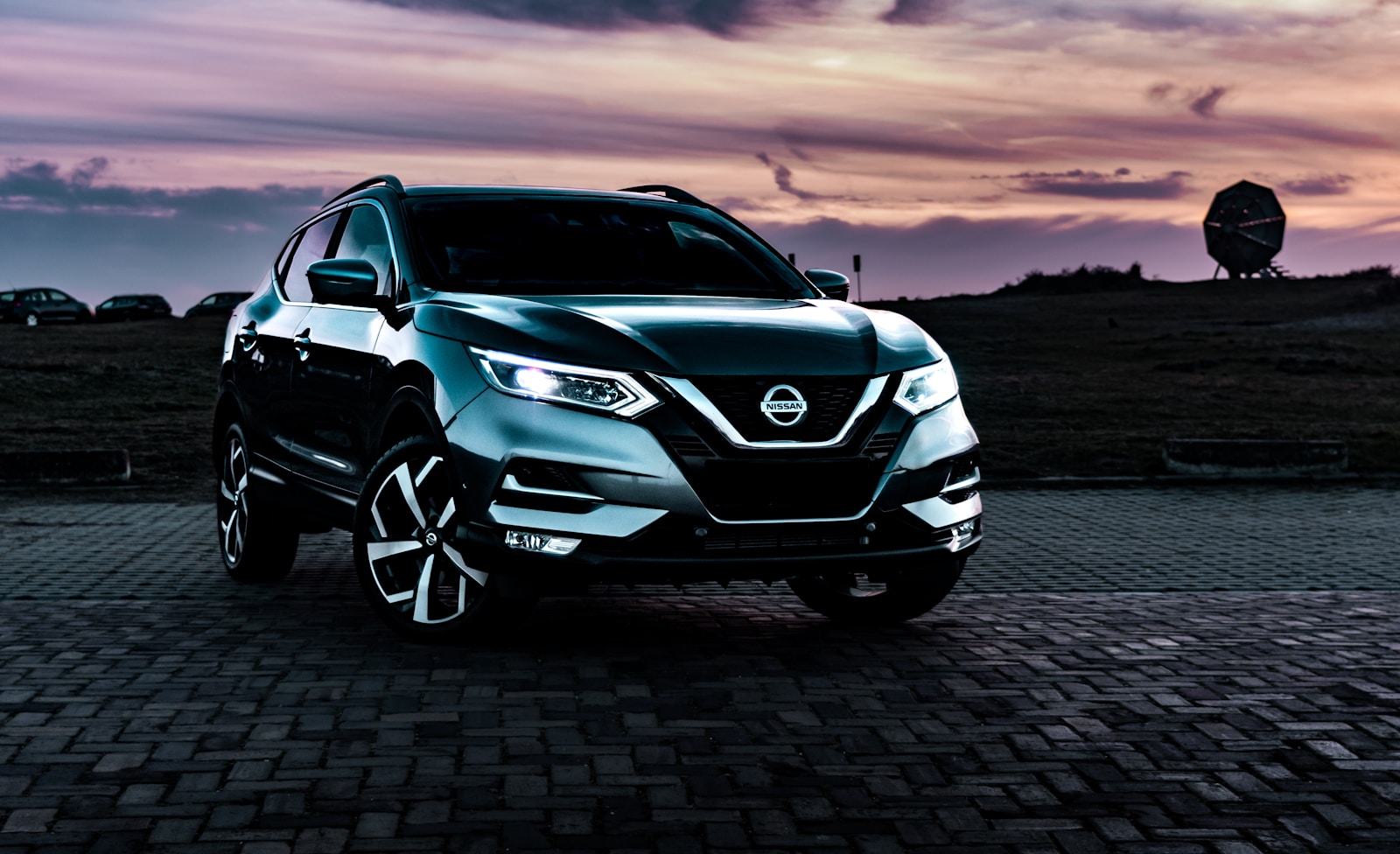

Nissan is telling owners of 51 brand-new 2026 Leaf EVs to stop charging their cars entirely and park outside, away from any buildings, after two of the vehicles caught fire while sitting parked and unplugged. The recall covers a narrow production window, but the defect it describes — a battery cell that can short-circuit and ignite on its own, with no permanent fix yet available — is about as serious as a recall gets.
According to NHTSA’s recall filing, Campaign 26V188, the affected Leafs were built between July 17 and November 26, 2025, and use 78kWh battery packs supplied by Automotive Energy Supply Corporation. During manufacturing, the edges of some lithium-ion cathode material may have been torn during a cutting and transfer step. A torn edge can fold inward inside the cell, creating an internal short circuit that leads to overheating and, in the worst case, a full thermal event. FOX 13 Seattle’s report on the recall confirms the same account: high-voltage battery damage that can short-circuit and start a fire, with owners told to keep the vehicle outdoors and unplugged.
Key Points
- Only 51 vehicles are affected, all 2026 Nissan Leaf models built in a five-month window in late 2025.
- Two thermal incidents have already happened — one in Japan on February 16, 2026, and one at a US dealership on March 2, 2026 — both in vehicles that were parked and not plugged in, with no injuries reported, according to Destination Charged’s review of the filing.
- Nissan has not yet published a permanent repair. The recall filing lists the remedy as “being developed,” and dealers will replace battery modules or entire packs free of charge once it ships.
- Interim owner instructions go beyond just avoiding fast charging: Nissan is telling affected owners not to charge the vehicle at all, and to park it outside and away from any building structure until the repair is available.
- Nissan began notifying dealers on March 27, 2026, with interim owner letters going out the week of April 17, 2026, and has been offering loaner or rental vehicles in the meantime.
The scale here is tiny compared with most recalls — 51 vehicles is a rounding error next to the million-plus campaigns that hit legacy gas models every year. But the defect type is the one EV owners worry about most: a manufacturing flaw inside the cell itself, not a software bug or a charging-system fault that a patch can fix. NHTSA’s recall database lets any Leaf owner check their VIN directly, and Nissan is asking owners of eligible vehicles to bring them to a dealership rather than wait for a fix to be finalized.
What’s Affected
- 2026 Nissan Leaf models only, built July 17 – November 26, 2025.
- Vehicles equipped with 78kWh Heated or Non-Heated battery packs sourced from Automotive Energy Supply Corporation.
What Owners Should Do
- Stop charging the vehicle immediately, including at home Level 2 chargers, not just DC fast chargers.
- Park outside and away from garages, carports, or any structure until Nissan issues the permanent fix.
- Contact Nissan customer service or a dealer to confirm eligibility and ask about a loaner vehicle.
- Watch for the official recall remedy notice — as of this writing, no repair date has been announced.
The recall lands at an awkward moment for the redesigned third-generation Leaf, which Nissan has positioned as its return to relevance in the compact EV market after years of falling behind on range and charging speed. A battery-cell defect discovered this early in production — some of the very first Leafs off the new line — is the kind of story that follows a nameplate for a while, even at just 51 units.